
Plants
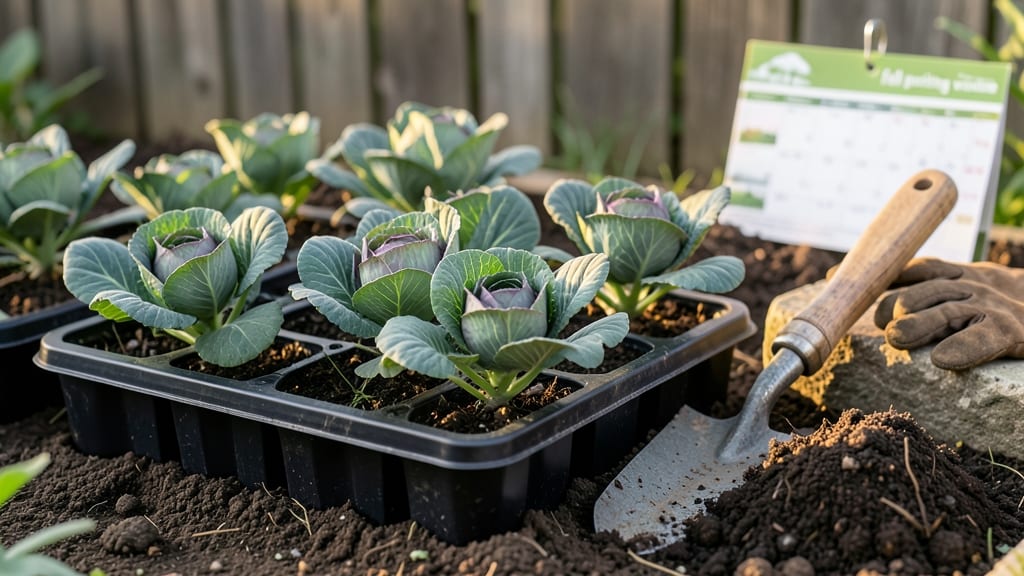
If you've ever planted cabbage 🥬 in Zone 8b only to watch it bolt before harvest, you're not alone—and the fix is simpler than you think. Timing matters more than most gardeners realize, especially when heat and humidity can turn your carefully nurtured plants into bitter, seed-bearing stalks.
Zone 8b's mild winters and long growing season create a tricky balance: plant too early in spring, and your cabbage will rush to flower in the heat. Too late, and you miss the sweet spot for fall harvests.
The key lies in understanding your local frost dates and heat thresholds—something I’ve tested firsthand in Southern California gardens where August and February planting windows make all the difference.
In this guide, I’ll break down the exact windows for planting cabbage in Zone 8b—whether you’re aiming for a crisp fall harvest or an early summer bounty.
You’ll learn how to adjust for microclimates, avoid bolting triggers, and even which varieties thrive in the heat. No more wasted seeds or bitter surprises!
Ready to grow cabbage that stays sweet and crisp? Let’s dive into the perfect timing that’ll transform your garden from risky to rewarding.
Optimal cabbage planting times in Zone 8b to avoid bolting
In Zone 8b, where summer temperatures can soar and winters stay mild, timing your cabbage planting is everything. The key is avoiding the heat stress that triggers bolting—when your plants flower prematurely instead of forming heads.
I’ve learned from trial and error that early fall and late winter are your best windows for success.
Your last frost date in Zone 8b typically falls around January 15, while the first frost arrives closer to December 15. These dates create a 240-day frost-free period, giving you two prime planting opportunities: August-September for fall harvests and February-March for spring harvests.
Let’s break down the specifics to maximize your yield.
| Planting Window | Ideal Soil Temp (°F) | Days to Maturity | Bolting Risk | Harvest Months |
|---|---|---|---|---|
| Early Fall (Aug-Sept) | 55-65°F | 60-80 days | Low (cool nights) | Oct-Nov |
| Late Winter (Feb-Mar) | 45-55°F | 70-90 days | Moderate (spring heat) | May-June |
| Early Spring (Jan) | 40-50°F | 80-100 days | High (warming soil) | April-May |
| Summer (June-July) | 70°F+ | N/A (bolting guaranteed) | Extreme | N/A |
For fall planting, aim to transplant seedlings in August so they mature before winter sets in. The cool nights of late summer and early fall help prevent bolting, while the 60-80 days to maturity ensures you’ll harvest before the first frost.
I’ve had the most success with ‘Golden Acre’ and ‘Cavalo’ varieties in these conditions.
If you prefer spring harvests, plant in February or early March when soil temperatures are still cool. Avoid planting in January—the warming soil can trigger bolting before heads form. Use shade cloth if temperatures rise above 75°F during the day to protect young plants.
In Zone 8b’s hotter microclimates (like parts of Southern California), even August planting can be risky if daytime temps exceed 85°F. To mitigate this, I recommend using 50% shade cloth during peak afternoon heat. This simple trick has saved my cabbage transplants from bolting multiple times.
One common mistake I see is planting too late in the fall window. If you miss September, your cabbage may not mature before the first frost. Always check your local frost dates and adjust planting by 80 days before the first expected frost to ensure a full harvest.
For container gardening in Zone 8b, use 5-gallon pots with well-draining soil and plant in early fall. Containers warm up faster, so monitor soil temps closely—keep them below 70°F to prevent bolting. I’ve grown ‘Early Jersey Wakefield’ successfully in containers using this method.
Remember, soil temperature is just as critical as air temperature. Use a soil thermometer to confirm your planting beds are between 55-65°F for fall planting or 45-55°F for spring. If your soil runs hotter, wait a few weeks or use black plastic mulch to cool the roots.
By following these Zone 8b-specific timing guidelines, you’ll avoid the heartbreak of bolting and enjoy firm, flavorful cabbage heads all season long. The key is patience—don’t rush your planting, and always prioritize cool soil temperatures over speed.
Optimal cabbage planting times in Zone 8b to avoid bolting
Zone 8b’s mild winters and hot summers create a narrow window for planting cabbage 🥬 without triggering bolting—the process where plants prematurely flower and become bitter. The key is planting when soil temperatures stay below 75°F but avoid frost.
For most of Zone 8b (including Southern California and parts of Texas), this means focusing on early fall and late winter planting.
Your last frost date (typically around January 15) and first frost date (around December 15) are your anchors. Planting too early in spring risks bolting as temperatures rise, while planting too late in summer exposes seedlings to heat stress.
The sweet spot? August–September for fall harvests or February–March for early summer yields.
🌱 Pro Tip: Use your local average frost dates as a guide, but adjust for microclimates. Coastal areas (like San Diego) may have earlier planting windows, while inland zones (like Las Vegas) should plant later to avoid summer heat.
📅 Cabbage Planting Timeline for Zone 8b
| Season | Planting Window | Soil Temp | Key Notes |
|---|---|---|---|
| Early Fall | August 15–September 15 | 60–70°F | Ideal for fall harvests; avoid July heat |
| Late Winter | February 1–March 15 | 50–60°F | Early summer harvest; monitor for spring warmth |
| Avoid | April–June | Above 75°F | High bolting risk; use shade cloth if attempting |
Bolting is triggered by heat stress or day length, so timing is everything. For example, planting in July might work in cooler microclimates (like higher elevations), but most Zone 8b gardens will see seedlings struggle or bolt within weeks.
If you’re experimenting with summer planting, use 30–50% shade cloth to lower soil temperatures by 10–15°F.
💡 Zone 8b Hack: Test your soil temperature with a soil thermometer before planting. Cabbage thrives when soil stays between 60–70°F. If it’s hotter, wait 2–4 weeks or use shade cloth to cool the soil.
Finally, account for your cabbage variety’s maturity time. Fast-maturing types (like 'Golden Acre') can handle later plantings, while slower varieties (like 'Hubbard') need the full 80–120 days to mature without bolting. Plan backward from your first frost date to ensure a harvest before temperatures drop.
By locking in these two planting windows—August–September and February–March—you’ll sidestep bolting and enjoy crisp, sweet cabbage all season long. Next, we’ll cover how to prep your soil and seedlings for success in these critical windows. 🌿