
Plants
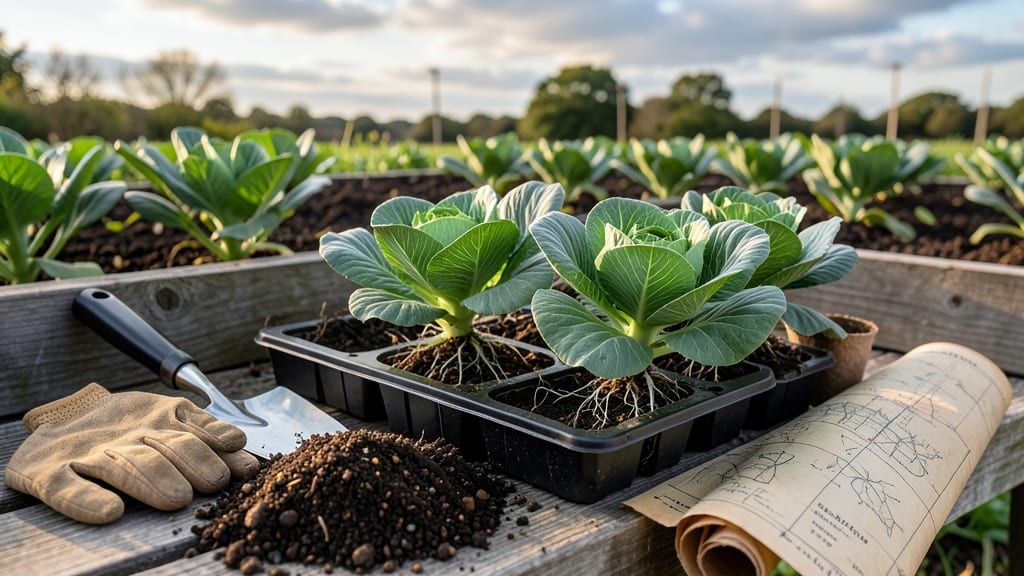
If you're growing 🥬 cabbage in Zone 6b, timing your planting could make or break your harvest—get it wrong, and you'll end up with bitter, bolted greens instead of crisp, flavorful heads.
The difference between success and disappointment often comes down to knowing exactly when to start seeds indoors or transplant seedlings, all while working within Zone 6b's 165 frost-free days.
Most gardeners in Zone 6b swear by a 4-week window before the last frost (typically around April 15) as the sweet spot for transplanting.
But here's the catch: whether you're starting seeds indoors 6-8 weeks earlier or sowing directly in the garden, the timing must align with soil temperatures and your specific cabbage variety's maturity rate.
In this guide, I'll break down the exact start dates for both spring and fall plantings, plus the soil prep secrets that keep your cabbage thriving. You'll learn how to harden off seedlings, space them properly, and even troubleshoot common pests—so you can go from seed to harvest with confidence.
Ready to stop guessing and start growing? Let's dive into the Zone 6b planting calendar that'll have your cabbage heads forming perfectly by midsummer.
Zone 6b cabbage planting timeline: indoor start dates vs. direct sowing
In Zone 6b, your cabbage (🥬) success hinges on precise timing—plant too early, and seedlings bolt; too late, and your harvest shrinks. The magic window starts 6–8 weeks before your last frost (April 15 in most of Zone 6b), meaning mid-February to early March for indoor starts.
This gives seedlings enough time to grow 3–4 inches tall before transplanting outdoors.
Direct sowing is riskier but works if you plant 2–4 weeks before last frost (March 25–April 15). However, young seedlings struggle with cold soil (below 50°F), so indoor starts are safer for beginners.
Pro tip: Use grow lights if your indoor space lacks sunlight—cabbage needs 14+ hours of light daily to prevent leggy growth.
| Stage | Action | Zone 6b Deadline |
|---|---|---|
| Indoor Seed Start | Sow seeds in trays with seedling mix | February 15–March 1 (6–8 weeks before last frost) |
| Hardening Off | Acclimate seedlings to outdoor temps (5–7 days) | March 25–April 5 |
| Transplant Outdoors | Move to garden after soil warms to 50°F+ | April 15–May 15 (2–4 weeks before last frost) |
| Direct Sowing | Plant seeds ½ inch deep in warm soil | March 25–April 15 (high risk if cold) |
| Fall Planting | Start seeds indoors July 15–August 1 for harvest before frost | Transplant by September 1 |
Your soil temperature is the unsung hero here—cabbage seeds need 70°F+ soil to germinate. Use a soil thermometer to avoid waiting too long. In Zone 6b, soil often hits this mark by late April, but cooler years (like 2021) can delay it until early May.
If your soil is still cold, opt for black plastic mulch 1–2 weeks before planting to warm it faster.
For direct sowing, aim for March 25–April 15, but only if your soil is above 50°F. Seeds sown earlier may rot, while late sowings produce smaller heads.
I once lost an entire batch of Golden Acre cabbage because I planted too late—my lesson? When in doubt, start indoors.
Don’t forget fall cabbage! For a second harvest, start seeds indoors July 15–August 1 and transplant by September 1. This gives heads time to mature before Zone 6b’s first frost (October 15). Varieties like ‘January King’ tolerate light frosts, extending your harvest window.
Pro move: Mark your calendar for these key dates in Zone 6b:
- February 15: Start seeds indoors
- March 25: Harden off seedlings
- April 15: Transplant outdoors (last frost)
- July 15: Start fall seeds indoors
- September 1: Transplant fall crop
📅
One final tip: Overcrowding kills cabbage. Space seedlings 18–24 inches apart—this prevents disease and ensures large, firm heads. I’ve seen gardeners squeeze them too close, only to watch their cabbages split or rot from poor airflow. Trust the spacing guidelines!
Now that you’ve got the timeline down, let’s tackle the 4-week pre-frost
Zone 6b cabbage planting timeline: indoor start dates vs. direct sowing
Mastering the Zone 6b cabbage planting timeline starts with understanding your last frost date, which typically falls around April 15 in most areas. For a successful harvest, you’ll need to work backward from this date, accounting for both indoor seed starting and outdoor transplanting windows.
The key is balancing seedling maturity with soil warmth—cabbage roots thrive in 70°F soil but can’t tolerate freezing temperatures.
If you’re starting seeds indoors, aim for a 6-8 week lead time before your last frost. This means February 15–March 1 for Zone 6b gardeners. Seedlings need 12-16 hours of light daily and 65-75°F temperatures to grow strong enough for transplanting.
Skipping this step often leads to weak, leggy seedlings that struggle in the garden.
For direct sowing in the garden, wait until 2-4 weeks before your last frost—around March 25–April 1. Direct-sown seeds require consistent soil temperatures above 60°F to germinate reliably. Many gardeners in Zone 6b use black plastic mulch to warm the soil faster and extend the planting window.
🌱 Zone 6b Cabbage Planting Summary
| Stage | Action | Deadline |
|---|---|---|
| Indoor Seed Start | Sow seeds in trays | Feb 15–Mar 1 |
| Seedling Care | 12-16 hrs light, 65-75°F | Mar 1–Apr 1 |
| Hardening Off | Gradual outdoor exposure | Mar 25–Apr 1 |
| Transplant Outdoors | After last frost | Apr 15–May 1 |
| Direct Sowing | Plant seeds directly | Mar 25–Apr 1 |
💡 Pro Tip: Use row covers to protect young seedlings from flea beetles and cabbage worms during early growth.
Don’t overlook the importance of soil preparation before planting. Cabbage thrives in well-draining, nitrogen-rich soil with a pH of 6.5–7.0. Work in compost or aged manure 2–3 weeks before transplanting to give roots a nutrient boost.
I always mix in a 5-10-10 fertilizer at planting time to prevent early deficiencies that stunt head formation.
For fall harvests in Zone 6b, repeat the process in July–August, aiming for seedlings mature enough to form heads before the first frost (October 15). Varieties like ‘January King’ tolerate cooler temps better, giving you an extra 2-3 weeks of harvest time.
Just remember: fall plantings need longer daylight exposure to compensate for shorter growing seasons.
Timing isn’t just about dates—it’s about observing your garden’s microclimate. If your area has late frosts or cold snaps, err on the side of earlier planting. Use frost cloth or low tunnels to extend your window if needed.
With these deadlines locked in, you’re ready to move to the next critical phase: hardening off seedlings and pest prevention.