
Plants
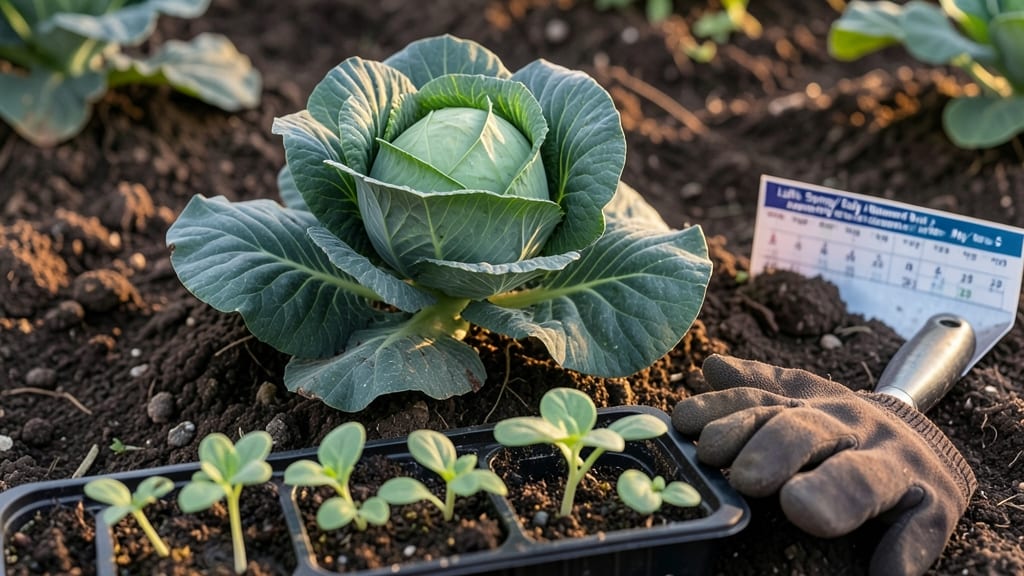
Knowing when to plant cabbage in Zone 5 can mean the difference between a garden full of crisp, flavorful heads and a disappointment of bitter, bolted greens. This cool-weather crop thrives when temperatures are mild, but timing is everything—especially in Zone 5’s unpredictable climate.
Most gardeners in Zone 5 plant cabbage 🥬 twice a year: once in early spring (March–April) and again in late summer (July–August). The key is avoiding frost while giving plants enough time to mature before summer heat sets in or winter chill arrives.
With the right timing, you can enjoy fresh harvests from June through November.
But here’s the catch: planting too early risks frost damage, while waiting too long can lead to heat stress or premature bolting. I’ll walk you through the exact transplant windows, soil prep tips, and spacing tricks to maximize your yield—no guesswork required.
Whether you’re a first-time gardener or a seasoned pro, these insights will help you grow cabbage that’s sweeter, tighter, and ready to harvest at its peak. Let’s get those seeds in the ground at the perfect moment!
Optimal cabbage transplant timing in Zone 5 by frost dates and variety type
Zone 5 gardeners know timing is everything when growing cabbage. The key is planting transplants when soil temperatures reach 40°F but before summer heat sets in. For most head cabbage varieties, this means two main windows: early spring (March–April) and late summer (July–August).
Chinese cabbage and other Asian varieties, however, prefer cooler fall conditions, so their timing shifts slightly.
Your last frost date in Zone 5 typically falls between April 15–May 15, while the first frost arrives around October 15–November 1. These dates act as your planting bookends.
For spring crops, aim to transplant 2–4 weeks before your last frost—this gives seedlings time to establish roots before summer heat arrives. For fall crops, plant 8–10 weeks before your first frost to ensure heads mature before cold snaps.
Not all cabbage varieties thrive in Zone 5’s variable climate. Early-maturing varieties like ‘Golden Acre’ or ‘Early Jersey Wakefield’ are ideal for spring planting, while heat-tolerant types such as ‘Cavalo’ or ‘Red Express’ work better for late summer.
Asian cabbage, like Napa or Bok Choy, prefers cooler fall temperatures and should be planted in August for harvest in October.
| Variety Type | Best Planting Window | Soil Temp Requirement | Days to Maturity | Harvest Time |
|---|---|---|---|---|
| Head Cabbage (e.g., 'Golden Acre') | March 15–April 15 (Spring) or July 15–August 15 (Fall) | 40–50°F | 60–70 days | June–July or October–November |
| Chinese Cabbage (e.g., 'Tokyo Bekana') | August 1–15 (Fall) | 50–60°F | 45–55 days | October–November |
| Heat-Tolerant (e.g., 'Cavalo') | July 1–31 (Late Summer) | 55–65°F | 70–80 days | September–October |
| Savoy Cabbage (e.g., 'Blue Vantage') | March 1–April 15 (Spring) or August 15–September 1 (Fall) | 40–50°F | 75–85 days | June–July or October–November |
If you’re starting seeds indoors, begin 6–8 weeks before your last frost date. This gives seedlings enough time to grow to the 4–6 leaf stage before transplanting.
For direct sowing, wait until soil temperatures stabilize at 40°F—typically mid-April in Zone 5. Direct-sown cabbage takes slightly longer to mature, so plan accordingly for fall harvests.
Spacing is another critical factor. Head cabbage needs 18–24 inches apart in rows spaced 24–36 inches apart, while Chinese cabbage can be planted 12–18 inches apart. Overcrowding leads to poor air circulation, increasing the risk of disease and pest infestations.
Use a soil thermometer to monitor temperatures—cabbage roots struggle in soil above 80°F.
For a continuous harvest, stagger your plantings every 2–3 weeks during the spring window. This ensures you’re not overwhelmed with mature heads at once. In fall, focus on one planting in August for a late-season harvest before frost.
Always choose disease-resistant varieties like ‘Red Express’ or ‘Savoy King’ to minimize risks in Zone 5’s humid summers.
Pro tip: Mark your frost dates on a calendar and count backward based on your chosen variety’s days to maturity. This simple trick ensures you never miss the optimal transplant window.
Pair this with well-draining soil and consistent moisture, and you’ll be rewarded with crisp, flavorful heads all season long.
Remember, cabbage is a cool-season crop, so avoid planting during peak summer heat. If temperatures exceed 85°F, heads may bolt prematurely or develop bitter flavors. Plan your schedule around these guidelines, and you’ll master cabbage growing in Zone 5.
Optimal cabbage transplant timing in Zone 5 by frost dates and variety type
In Zone 5, timing your cabbage transplants around frost dates is critical—especially since this cool-season crop can't handle heat or frost. Most gardeners here plant twice a year: once in early spring and again in late summer.
The key is transplanting when soil temperatures reach 40°F but before summer heat arrives.
For spring cabbage, aim to transplant 2-3 weeks after your last frost date (typically April 15–May 15 in Zone 5). For fall cabbage, plant 8-10 weeks before your first frost (around July 15–August 15). These windows ensure your plants mature before extreme heat or cold sets in.
Different cabbage varieties have unique needs. Head cabbage (like Golden Acre) thrives in both spring and fall, while Chinese cabbage (such as Tokyo Bekana) prefers cooler fall temperatures. Heat-tolerant varieties like Cavalo can handle late summer planting better than traditional types.
| Variety Type | Spring Planting Window | Fall Planting Window | Days to Maturity | Notes |
|---|---|---|---|---|
| Head Cabbage (e.g., Golden Acre) | April 15–May 15 | July 15–August 15 | 60–80 days | Best for both seasons; heat-sensitive |
| Chinese Cabbage (e.g., Tokyo Bekana) | April 1–May 10 | July 1–August 10 | 50–70 days | Prefers cooler fall temps; faster maturing |
| Heat-Tolerant (e.g., Cavalo) | April 20–May 20 | July 20–August 20 | 70–90 days | Handles late summer better; larger heads |
| Savoy Cabbage (e.g., Blue Vantage) | April 10–May 10 | July 10–August 10 | 65–85 days | Crinkled leaves; tolerates light frost |
When transplanting, harden off seedlings for 7–10 days before moving them outdoors. This gradual adjustment prevents shock and helps them establish roots faster. Space head cabbage 18–24 inches apart in rows 24–36 inches apart to allow airflow and reduce disease risk.
For fall cabbage, focus on late July or early August planting to ensure heads mature before first frost (usually October 15–November 1 in Zone 5).
Use row covers or cold frames to extend the season if needed. With the right timing, you can enjoy fresh cabbage from June through November!