
Plants
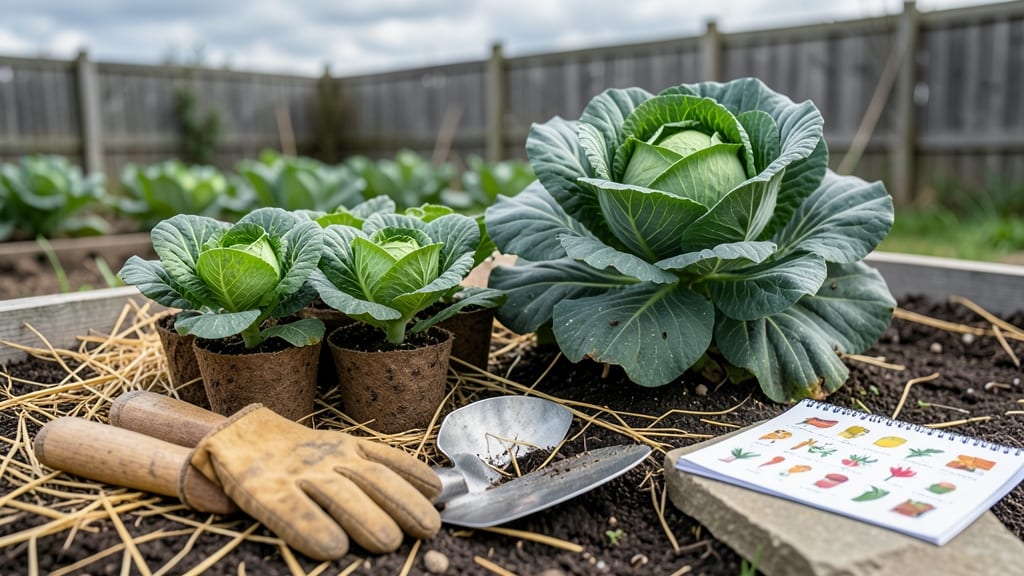
If you’ve ever planted cabbage in Alabama only to watch it bolt into bitter flowers before harvest, you’re not alone—and timing is the key to avoiding this common mistake.
Alabama’s 7b-8b climate means cabbage thrives in cooler months, but getting the schedule wrong can turn your crisp 🥬 into a sad, seed-filled disappointment. The secret? Planting in early spring (February-March) or late summer (July-August) for two reliable harvests.
Why does this matter? Because cabbage hates heat—once temperatures creep above 80°F, it bolts faster than you can say "pesto." I’ll show you exactly how to sync planting with Alabama’s frost dates and microclimates to grow sweet, firm heads from May-June or October-November.
Ready to ditch the guesswork? Let’s break down the perfect planting windows, soil prep tricks, and heat-beating strategies that actually work for Alabama gardeners.
Best planting times for cabbage in Alabama’s climate zones
Alabama’s USDA zones 7b-8b create unique challenges for growing cabbage (🥬). Unlike northern states, our long, hot summers and mild winters demand precise timing to avoid bolting or stunted growth. The key? Plant when soil temps stay below 80°F and days are cooler than 75°F.
Most gardeners focus on two planting windows: early spring and late summer. Spring plantings start 4-6 weeks before your last frost date (typically mid-March in northern Alabama, early March in southern regions). Late summer plantings begin 8-10 weeks before first frost (usually late July to early August).
Mississippi’s climate variations mean even 100-mile differences can shift ideal dates by 2-3 weeks. For example, Huntsville (Zone 7b) can handle slightly earlier spring plantings than Mobile (Zone 8b), which may need shade cloth for summer crops.
| Planting Window | Ideal Months | Soil Temp | Key Notes |
|---|---|---|---|
| Early Spring | February-March | 50-65°F | Start seeds indoors 4-6 weeks before last frost |
| Late Summer | July-August | 70-78°F | Use shade cloth for southern Alabama; avoid transplant shock |
| Fall Extension | September (Northern AL) | 65-75°F | Only viable in Zone 7b; cover with row fabric for frost protection |
For northern Alabama gardeners, the spring window (February-March) is your best bet. Plant cabbage seeds directly when soil reaches 50°F or use transplants after last frost. In southern Alabama, late summer (July-August) becomes critical—this is when heat-tolerant varieties like 'Cavalo' or 'Golden Acre' shine.
Pro tip: Monitor soil temperatures with a soil thermometer. Cabbage roots struggle in soils above 80°F, leading to bitter flavors and premature bolting. If your July soil hits 85°F, delay planting until mid-August when temps drop 5°F.
Alabama’s microclimates also play a role. Mountain regions (like DeKalb County) can plant 2 weeks earlier than coastal areas (like Baldwin County). Use your local cooperative extension office for precise frost dates—Mobile’s first frost often arrives 2 weeks later than Huntsville’s.
Don’t overlook succession planting! In Alabama, you can squeeze in 3 harvests per year by staggering plantings every 2-3 weeks during your optimal windows. For example, plant one batch in late February, another in early March, and a final July batch for fall harvests.
If you’re new to Alabama cabbage growing, start with slow-bolting varieties like 'Early Jersey Wakefield' or 'Golden Ball'. These handle our spring heat spikes better than standard green cabbage. Pair them with mulch to keep roots cool—straw or black plastic can add 5-10°F protection during heatwaves.
Remember: Cabbage needs consistent cool temps to form tight heads. If your June temps exceed 90°F, even shade cloth won’t save a struggling plant. That’s why fall plantings often yield sweeter, crisper heads—they mature before September heat sets in.
Best planting times for cabbage in Alabama’s climate zones
Alabama’s 7b-8b climate gives you two prime windows for cabbage—early spring and late summer—but timing is everything. Plant too early, and frost zaps your seedlings. Too late, and heat triggers bolting.
The magic lies in syncing your schedule with last frost dates (mid-March) and first frost dates (mid-November), while avoiding summer’s 80°F+ heat waves.
For spring cabbage, start seeds indoors 4-6 weeks before last frost (February) or sow directly in early March for harvests by May-June. For fall cabbage, plant seeds in late July-August—this gives them time to mature before winter chills set in, with harvests ready by October-November.
These windows ensure your cabbage stays cool, sweet, and bolt-free.
Here’s the breakdown of your ideal planting schedule based on Alabama’s microclimates, including soil prep and heat tolerance thresholds:
| Planting Window | Key Actions | Soil Temp Threshold | Harvest Time |
|---|---|---|---|
| Early Spring (Feb-Mar) | Start seeds indoors (Feb) or direct sow (early Mar) | 45-55°F (7-13°C) | May-June |
| Late Summer (Jul-Aug) | Direct sow after soil cools (post-80°F heat waves) | 60-70°F (15-21°C) | Oct-Nov |
| Avoid Planting | April-June (heat bolting risk) or Sept-Oct (late frost risk) | Above 80°F (27°C) | N/A |
Pro tip: Use shade cloth (30-50%) if planting in late August to protect seedlings from lingering summer heat. Also, Northern Alabama (Zone 7b) can push spring planting into late March, while Southern Alabama (Zone 8b) should start earlier to avoid heat stress.
Soil prep is just as critical as timing. Cabbage craves well-draining, slightly acidic soil (pH 6.0-7.0). Amend your beds with compost or aged manure 2-3 weeks before planting, and mulch with straw or grass clippings to retain moisture and regulate soil temperature.
This keeps roots cool and prevents bolting during Alabama’s unpredictable spring heat spikes.
Remember: Cabbage is a cool-season crop, so treat it like a winter veggie even in summer plantings. The goal is to harvest before temperatures climb above 75°F (24°C)—any hotter, and you’ll lose that sweet, crisp texture.
With these windows, you’ll enjoy two bumper crops per year without the bitter, bolted disappointment.