
Plants
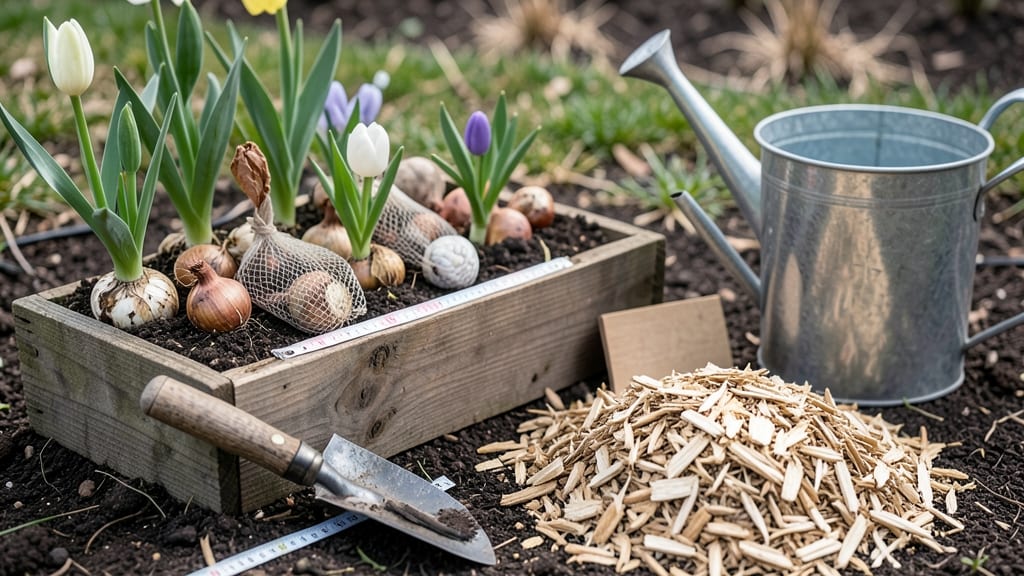
Best planting times for Central Texas bulbs to survive extreme heat
Central Texas's USDA zones 8a-9a bring scorching summers that demand precise planting timing for bulbs. Most gardeners focus on fall planting for spring blooms, but some species thrive with summer or winter strategies too. The key is aligning your planting with soil temperatures and heat tolerance thresholds.
Fall is the golden window for traditional bulbs like tulips and daffodils. Plant them 6-8 weeks before the first frost (typically October-December in Central Texas). This gives roots time to establish before winter dormancy. For heat-tolerant varieties, you can extend planting into early January.
Summer planting is risky but works for tropical bulbs like rain lilies or spider lilies. These thrive in hot, dry conditions and should be planted in late spring (May-June) when soil temperatures exceed 70°F. The trade-off? They may not survive Central Texas winters unless mulched heavily.
Winter planting (December-February) is ideal for cool-season bulbs like crocuses. The ground stays cool enough to prevent premature sprouting, and bulbs establish roots before spring heat arrives. This method also reduces competition from weeds.
Soil temperature is your best indicator for timing. Use a soil thermometer to confirm 50-60°F for fall planting. If temperatures dip below 40°F, roots may struggle to develop. In Central Texas, this usually means planting by mid-November for most varieties.
Here’s a quick reference for optimal planting windows based on bulb type and heat tolerance:
| Bulb Type | Best Planting Window | Soil Temp Threshold | Heat Tolerance |
|---|---|---|---|
| Traditional (Tulips, Daffodils) | October–December | 50–60°F | Moderate (✅) |
| Heat-Tolerant (Rain Lilies, Spider Lilies) | May–June | 70°F+ | High (✅✅✅) |
| Cool-Season (Crocuses, Snowdrops) | December–February | 40–50°F | Low (❌) |
| Summer-Dormant (Alliums, Fritillaries) | September–October | 60–70°F | Moderate-High (✅✅) |
For Central Texas gardeners, the fall window (October-November) is non-negotiable for classic bulbs. However, heat-tolerant varieties like rain lilies (Zephyranthes) or spider lilies (Hymenocallis) can be planted in late spring and will reward you with summer blooms before the worst heat arrives.
Pro tip: Mulch heavily after planting to insulate bulbs from temperature swings. Use 3-4 inches of organic mulch (like straw or shredded leaves) to protect roots. This is especially critical in Central Texas’s unpredictable winters, where temperatures can fluctuate between freezing nights and warm days.
If you miss the fall window, don’t despair—some bulbs (like caladiums) can be planted in spring. Just be prepared for delayed blooming or reduced vigor. The earlier you plant, the better your bulbs will establish before summer’s heat sets in.
Timing isn’t just about the calendar—it’s about soil conditions. Test your soil’s moisture and drainage before planting. Bulbs rot quickly in waterlogged soil, so amend with compost or sand if needed. Aim for well-draining soil with a pH of 6.0-7.0 for optimal growth.
Finally, remember that Central Texas’s microclimates vary. Urban areas like Austin may stay warmer longer than rural Hill Country spots. Adjust your planting 1-2 weeks earlier in cities and 1-2 weeks later in cooler elevations. Pay attention to your local frost dates and heat waves to fine-tune your schedule.
Best planting times for Central Texas bulbs to survive extreme heat
Central Texas's scorching summers make timing everything when planting bulbs. Unlike cooler climates, traditional fall planting for spring blooms still works—but with adjustments. The ideal window is mid-October to early December, when soil temps drop below 70°F and before the first hard frost (mid-December in most areas).
This gives bulbs time to root before summer heat returns.
For heat-tolerant bulbs like daffodils or spider lilies, you can even plant in late winter (January) for a spring surprise. The key is avoiding peak summer heat, which can bake bulbs before they establish roots.
Focus on soil prep first: amend with compost and ensure well-draining soil to prevent rot in our heavy clay.
| Season | Planting Window | Soil Temp Threshold | Heat Tolerance | Notes |
|---|---|---|---|---|
| Fall | October–December | Below 70°F | Moderate | Best for traditional bulbs (tulips, hyacinths). |
| Late Winter | January | 50–65°F | High | Ideal for heat-tolerant varieties (daffodils, rain lilies). |
| Summer (Rare) | June–July | N/A (Dormant) | Low | Only for pre-soaked bulbs in containers. |
If you miss the fall window, don’t panic—January planting still yields great results for heat-loving bulbs. The trick is watering deeply after planting (every 7–10 days) to encourage root growth before summer arrives.
Mulch with 2–3 inches of straw to retain moisture and shield bulbs from temperature swings.
For summer-blooming bulbs like rain lilies, plant in late summer (August) when soil temps start cooling. These bulbs thrive in partial shade and drought conditions, making them perfect for Central Texas’s harsh summers. Just ensure they’re in well-draining soil to avoid rot from our sporadic downpours.
Pro tip: Use a soil thermometer to check temps before planting. Aim for 60–70°F for most bulbs—any hotter, and roots struggle to form. If your soil runs warm, plant deeper (8–10 inches) to reach cooler layers.
Finally, avoid planting in spring unless you’re using container-grown bulbs. Our 100°F+ summers will cook them before they bloom. Stick to fall or late winter, prep your soil, and you’ll enjoy vibrant blooms despite the heat! 🌷