
Plants
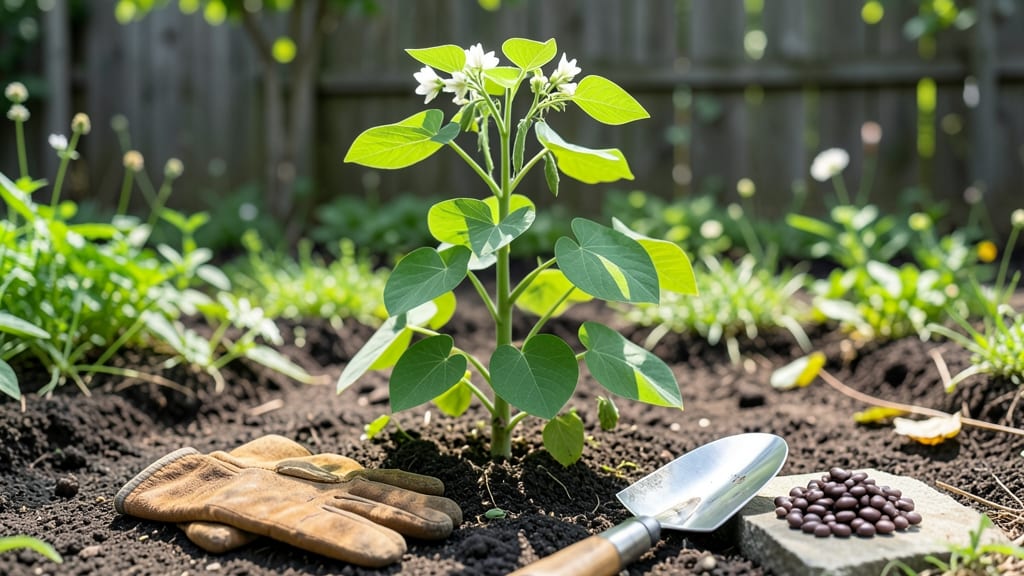
Timing your soybean planting in Alabama can mean the difference between a thriving crop and a wasted season—especially when you're dealing with Alabama's unpredictable spring weather and scorching summers.
Plant too early, and a late frost could destroy your seedlings before they even sprout. Too late, and the heat stress will cut your yields before harvest time.
For Alabama growers in USDA zones 7b-8a, the ideal window runs from mid-April through June, but the exact timing depends on your region's last frost date and soil temperature. Most experts agree: wait until the soil warms to at least 60°F—any cooler, and germination slows to a crawl.
That means monitoring both the weather forecast and your soil thermometer becomes your new best friend.
What sets Alabama apart from other soybean-growing regions? Our long, humid summers demand heat-tolerant varieties with maturity groups 4-6, while our shorter frost-free season (about 210 days) means you can't afford to delay planting.
The key is finding that sweet spot where your seeds get enough warmth to thrive without running into summer's worst heat waves.
In this guide, I'll break down the exact planting windows for North, Central, and South Alabama, recommend the best heat-resistant varieties for your zone, and share pro tips to avoid common mistakes that cost growers thousands. Let's get your soybeans off to the right start.
Alabama soybean planting dates by region: frost-free deadlines & heat zones
Timing your soybean planting in Alabama depends heavily on your USDA hardiness zone and the last frost date for your region. North Alabama’s cooler climate (Zone 7a) has a later frost-free window compared to South Alabama’s Zone 8b, where the growing season stretches nearly year-round.
For optimal yields, aim to plant when soil temperatures consistently reach 50°F (10°C)—soybeans need warmth to germinate efficiently.
Alabama’s average last frost dates range from mid-March in South Alabama to early April in North Alabama. However, late frosts can still occur, especially in the Appalachian foothills. To minimize frost risk, use row covers or plant after April 15 in most areas.
For maturity groups 4-6, this timing ensures pods mature before Alabama’s first frost in November.
Here’s how to align your planting with Alabama’s three key regions—each with distinct frost-free deadlines and heat tolerance needs:
For maturity group 4 soybeans, which take 90-100 days to harvest, plant in early April in North Alabama to avoid heat stress before maturity.
In South Alabama, where summers are longer, you can push planting to late April or early May for MG 5-6 varieties, which handle 95°F+ temperatures better. Always monitor 7-day weather forecasts—Alabama’s unpredictable spring rains can delay field prep.
If you’re growing soybeans for green manure or cover crops, plant earlier (March) to maximize nitrogen fixation before summer heat sets in. For dry beans, prioritize late April to early May to align with peak pod development during Alabama’s humid but less extreme summer months (June-July).
Pro tip: Use a soil thermometer to confirm 50°F+ soil temps before planting. In Alabama’s clay-heavy soils (common in Black Belt regions), wait until temps stabilize—cool soils slow germination and increase damping-off risk.
Planting too early also exposes seedlings to late spring frosts, which can stunt growth for 30+ days.
For organic growers, consider cover cropping with winter rye before planting soybeans. This improves soil structure and suppresses weeds, giving your soybeans a competitive edge in Alabama’s weed-prone summers.
Always rotate crops—planting soybeans in the same spot year after year depletes nitrogen levels and increases soybean cyst nematode risks.
Finally, account for Alabama’s variable rainfall. While soybeans are drought-tolerant once established, prolonged dry spells (common in July-August) can reduce yields by 20-30%.
Irrigate during pod-filling stages (60-80 days after planting) to maintain consistent moisture. Mulch with straw or grass clippings to retain soil moisture and regulate temperature.
By aligning your planting with these region-specific deadlines and soil conditions, you’ll avoid the two biggest mistakes Alabama growers make: planting too early (frost damage) or too late (heat stress). With the right timing, your soybeans will thrive in Alabama’s long, productive summers.
Alabama soybean planting dates by region: frost-free deadlines & heat zones
Alabama’s three distinct regions—North, Central, and South—each have unique last frost dates and heat zone characteristics that dictate your soybean planting timeline.
In North Alabama (USDA Zone 7a), where frosts linger until mid-April, you’ll want to wait until late April to plant, giving seedlings time to establish before summer’s heat arrives.
Meanwhile, South Alabama (Zone 8b) enjoys an earlier start, with March 15 being the average last frost date, allowing for early April plantings.
The soil temperature threshold of 60°F is non-negotiable—below this, germination slows dramatically. Use a soil thermometer to confirm readiness, especially in cooler microclimates like the Tennessee Valley. For Central Alabama (Zones 7b-8a), the sweet spot is mid-April through May, balancing frost risk with summer heat tolerance.
Pro tip: Plant maturity group 5 (MG5) varieties in North Alabama and MG6 in South Alabama to ensure harvests finish before the first frost in mid-November.
🌱 Alabama Soybean Planting Windows by Region
| Region | USDA Zone | Last Frost Date | Ideal Planting Window | Soil Temp Threshold | Recommended Maturity Group |
|---|---|---|---|---|---|
| North Alabama | 7a | Mid-April | Late April–May | 60°F+ | MG4–MG5 |
| Central Alabama | 7b–8a | Early April | Mid-April–June | 60°F+ | MG5–MG6 |
| South Alabama | 8b | March 15 | Early April–May | 60°F+ | MG6 |
Note: Adjust planting dates 1–2 weeks earlier for double-crop soybeans following wheat harvest.
Don’t overlook microclimates—valleys and low-lying areas in North Alabama may experience late frosts into May, while hilltops in South Alabama can warm up faster. For early plantings, use black plastic mulch to raise soil temperatures by 5–10°F, accelerating germination.
In Central Alabama, where humidity spikes in summer, prioritize well-drained soils to prevent root rot, especially for MG6 varieties that mature later in the season.
If you’re planting in June or July, focus on short-season varieties (MG4) to avoid heat stress during pod fill. Monitor 30-day forecasts for prolonged dry spells—soybeans need 1–1.5 inches of water weekly during flowering and pod set.
In South Alabama, where hurricane season overlaps with soybean maturity, consider early-season varieties to harvest before September rains.
For organic growers, incorporate cover crops like clover before planting to improve soil structure and moisture retention. In North Alabama, where soil pH often runs acidic (below 6.0), apply lime in fall to hit the ideal 6.0–6.5 range by planting time.
Always test your soil—Alabama’s clay-heavy soils can compact easily, stunting root growth if not amended with compost or sand.
Remember: Planting date flexibility is your best tool against Alabama’s weather whiplash. Start with small test plots in early April, then scale up if conditions cooperate. With the right timing and variety, you’ll beat the heat and frost to maximize your soybean yields.