
Planting
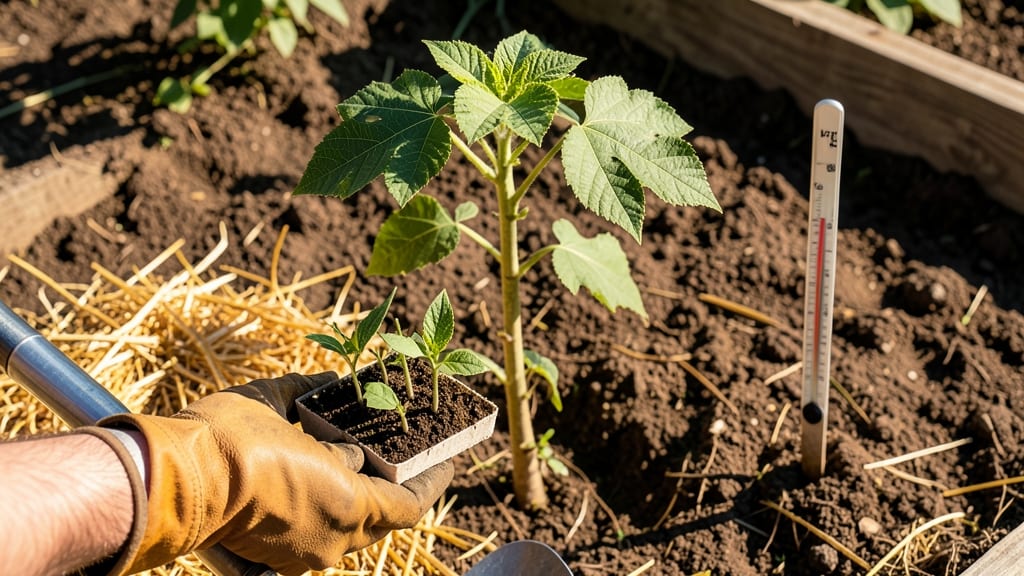
If you've ever wondered why some Texas cotton crops flourish while others struggle, the answer often starts with when to plant cotton in Texas—timing can make or break your harvest.
Cotton thrives in Texas' warm climate, but planting too early risks frost damage, while waiting too long cuts your growing season short.
For Central and North Texas gardeners, aim for April to May when soil temperatures hit at least 60°F—this ensures strong root development before summer heat arrives. Meanwhile, those in South or East Texas can start earlier, around March to April, thanks to milder winters and longer frost-free periods.
Cotton is an annual crop in Texas, meaning it completes its life cycle in one season, so getting the timing right is everything.
We’ll break down the best planting windows by region, soil prep tips, and how to adjust for unpredictable Texas weather—so you can grow cotton that’s healthier, more productive, and ready for harvest by fall.
Whether you're a backyard gardener or a small-scale farmer, mastering these planting windows could mean the difference between a mediocre crop and a bountiful one. Let’s get your cotton off to the best possible start!
Best planting months for cotton in Texas by region (2024 guide)
Timing your cotton planting in Texas isn’t just about the calendar—it’s about matching your region’s last frost date with ideal soil temperatures. In North Texas, where frost lingers until March 15, waiting until late April ensures young plants avoid damage.
Meanwhile, South Texas growers can start as early as March, thanks to its milder winters and earlier frost-free conditions.
Cotton thrives when soil temperatures hit 60°F (15°C), a threshold critical for seed germination and root development. Using a soil thermometer can help you pinpoint the perfect moment—especially in transitional zones like Central Texas, where temperatures fluctuate wildly between February and April.
Pro tip: Plant after the last frost when nighttime temps consistently stay above 55°F (13°C).
Here’s how Texas breaks down by region for optimal cotton planting:
| Region | Last Frost Date | Ideal Planting Window | Soil Temp Threshold | Key Consideration |
|---|---|---|---|---|
| North Texas (USDA 8a) | March 15 | Late April - Early May | 60°F (15°C) | Avoid late frosts; use row covers if needed |
| Central Texas (USDA 8b-9a) | February 15 | Early April - Mid-May | 60°F (15°C) | Watch for sudden cold snaps; irrigate if dry |
| South Texas (USDA 9b-10b) | January 15 | March - Early April | 60°F (15°C) | Longer growing season; monitor humidity for pests |
For North Texas gardeners, sticking to late April planting ensures your cotton has 120-150 frost-free days to mature. This aligns with the 150-day growth cycle most commercial varieties need to produce quality fiber.
If you’re in Central Texas, early April planting gives you flexibility—delay slightly if soil stays cool, but don’t wait past mid-May or risk stunted growth.
South Texas growers have the luxury of an extended season. Planting in March lets you harvest by August or September, avoiding the region’s peak humidity that can stress plants later in the year.
Just beware of boll weevils, which thrive in warm climates—use early-maturing varieties to outpace their lifecycle.
One common mistake? Planting too early in hopes of a longer season. Cotton seeds rot in cold, wet soil, and seedlings wilt if nighttime temps dip below 50°F (10°C).
Always check your local extension service for updated frost data—Texas’ climate shifts yearly, and a 10-day delay can mean the difference between a bountiful harvest and a failed crop.
Pro tip: Use black plastic mulch to warm soil faster in cooler regions. It raises soil temps by 5-10°F, helping you plant 2-3 weeks earlier without risking frost damage. Pair this with drip irrigation to maintain consistent moisture—cotton’s deep roots need 1-2 inches of water weekly once established.
Remember, Texas’ USDA zones 8a-10b offer diverse microclimates. Even within a single county, elevation changes can shift planting windows by 1-2 weeks. For example, West Texas (higher elevation) may need to wait until mid-May, while East Texas (lower elevation) can start in late March.
Always scout your specific area’s historical frost data before committing to a planting date.
Finally, consider cotton varieties suited to your region. FM 966 thrives in Central/South Texas with its shorter maturity, while STV 474 handles North Texas’ shorter season better. Matching your variety to your planting window is half the battle for a high-yield harvest.
Best planting months for cotton in Texas by region (2024 guide)
Texas' diverse climate means cotton planting windows vary dramatically from the Panhandle to the Rio Grande Valley. In North Texas (USDA Zones 8a-8b), wait until mid-April—soil temperatures must stay above 60°F consistently to avoid stunted growth.
Central Texas (Zones 8b-9a) can start slightly earlier, around late March to early April, while South Texas (Zones 9a-10b) gardeners enjoy a head start in February to March.
Why the difference? Frost risk is your biggest enemy—North Texas averages its last frost around March 15, while South Texas rarely sees frost after January 15. Planting too early in colder regions risks seedling death from unexpected freezes, even in spring.
Soil temperature is just as critical as calendar dates. Use a soil thermometer to confirm readings of 60°F+ at 2-inch depth before planting. Cold soil slows germination and weakens roots, setting your crop up for failure during Texas' brutal summer heat.
| Region | USDA Zone | Last Frost Date | Ideal Planting Window | Soil Temp Threshold |
|---|---|---|---|---|
| North Texas | 8a-8b | March 15 | Mid-April to early May | 60°F+ |
| Central Texas | 8b-9a | February 15 | Late March to April | 60°F+ |
| South Texas | 9a-10b | January 15 | February to March | 60°F+ |
For container growers, extend your planting window by 2-3 weeks using black plastic mulch or heat mats to warm soil faster. This is especially useful in North Texas where early springs can be unpredictable. Just remember: cotton hates soggy roots, so ensure containers have drainage holes.
Pro tip: Direct-sow seeds rather than transplanting seedlings. Cotton has sensitive root systems that transplant poorly, and Texas' heat can shock young plants. Plant seeds 1/2 inch deep and space them 3-4 inches apart in rows 3 feet apart for optimal air circulation.
Once planted, monitor your cotton closely for early signs of stress like yellowing leaves or stunted growth—these often signal planting was too late. With perfect timing, you'll see first blooms by June and harvest-ready bolls by fall, giving you a full growing season in Texas' intense heat.