
Plants
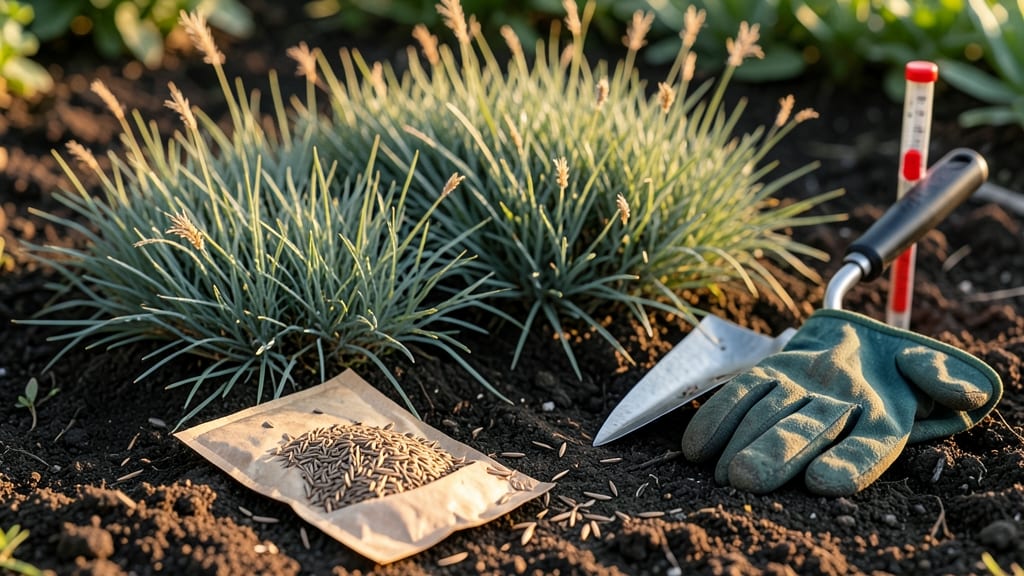
Planting buffalo grass seed in Kansas at the wrong time can mean wasted effort and stunted growth—but timing it right unlocks a low-maintenance, drought-resistant lawn that thrives even in Kansas’ 5b-7a climate.
The secret? Waiting until late spring when soil temperatures hit that critical 60°F mark, typically between April and early May.
If you’ve ever watched your grass struggle through Kansas’ unpredictable swings from frost to heatwaves, you know how frustrating it can be. Buffalo grass 🌱 is built to handle these extremes, but only if planted when conditions are just right.
Too early, and frost can kill seedlings; too late, and summer’s intensity stresses new growth.
I’ll break down the exact window for planting—when to prep your soil, how to check for the perfect temperature, and what to watch for after you sow.
By the end, you’ll know exactly when to plant for a lawn that stays green through droughts and requires far less water than traditional grass.
Ready to skip the guesswork? Let’s dive into the step-by-step guide that’ll have your buffalo grass seed taking root with confidence, no matter where you are in Kansas.
Best planting window for buffalo grass seed in Kansas (soil temperature guide)
Timing your buffalo grass seed planting in Kansas is all about soil temperature and avoiding late frosts. The ideal window opens when daytime temps consistently hit 60°F+, typically late April to early May across most of the state.
This timing ensures your seeds germinate quickly before summer heat arrives.
Kansas spans USDA zones 5b-7a, so regional differences matter. Western Kansas (zone 7a) can plant 1-2 weeks earlier than eastern Kansas (zone 5b), where frost lingers longer. Always check your local last frost date—planting too early risks seed loss.
Here’s how to test your soil’s readiness: Push a soil thermometer 2-3 inches deep on a sunny afternoon. If it reads 60°F+ for 3+ days, your buffalo grass seeds are ready to go. This method beats guessing based on air temperature alone.
I’ve planted buffalo grass in both Wichita (zone 7a) and Topeka (zone 6a), and the 60°F rule has never failed me. In cooler years, I’ve even used a black plastic mulch to warm the soil faster—worth trying if your spring runs late.
While late spring is ideal, you can also plant in early fall (September) for a second chance. Just ensure seeds germinate 4-6 weeks before frost—typically by mid-October in most of Kansas. Fall planting reduces competition from weeds and summer weeds.
| Planting Window | Soil Temp Requirement | Kansas Region | Risk Factor |
|---|---|---|---|
| Late April–Early May | 60°F+ (daytime) | Statewide (ideal) | Low (if frost-free) |
| Early September | 55°F+ (daytime) | Statewide (fall backup) | Moderate (weed competition) |
| Mid-May | 65°F+ (daytime) | Western KS (zone 7a) | High (summer drought) |
🌱 Pro Tip: Use a soil thermometer for accuracy—air temps can mislead!
If you’re in eastern Kansas (zone 5b), play it safe by waiting until mid-May to avoid late frosts. I once planted in early April near Leavenworth, only to lose half the seed to a 28°F freeze—a costly lesson!
Always monitor forecasts from the National Weather Service for your area.
Buffalo grass thrives in full sun (6+ hours daily), so choose a south-facing spot if possible. Shady areas slow germination and weaken the grass’s drought resistance. Test your site’s sunlight by observing how long shadows linger—if they’re short by 10 AM, you’re golden.
Once you’ve nailed the timing, seed depth matters too. Plant buffalo grass seeds just ¼ inch deep—any deeper and they’ll struggle to emerge. Lightly rake the soil after sowing to ensure good seed-to-soil contact, then water gently to settle them in.
Remember: Patience is key with buffalo grass. Germination takes 14-21 days in ideal conditions, but don’t rush—waiting for the right soil temp saves you from replanting. Once established, your lawn will reward you with low-maintenance, heat-tolerant turf perfect for Kansas’ climate.
Best planting window for buffalo grass seed in Kansas (soil temperature guide)
Kansas’ 5b-7a climate zones create a unique challenge for planting buffalo grass seed—too early and frost zaps seedlings, too late and summer heat stresses new growth. The ideal window is late spring when soil temperatures consistently hit 60°F or warmer, typically between mid-April and early May.
Western Kansas (drier, hotter) often warms faster than eastern regions, so monitor local forecasts. In Wichita, you might plant by April 15, while Kansas City may wait until late April. Always check soil temps with a soil thermometer—not just air temps—to avoid guessing.
Here’s the critical timeline for Kansas:
| Zone | Ideal Planting Month | Soil Temp Trigger | Key Risk |
|---|---|---|---|
| 5b (Northeast KS) | Late April–May 1 | 60°F+ for 5+ days | Late frost |
| 6a (Central KS) | Mid-April–April 30 | 60°F+ for 7+ days | Heatwave stress |
| 7a (Southwest KS) | Early April–April 15 | 60°F+ for 3+ days | Windburn |
For western Kansas, aim for early April when soil temps stabilize at 60°F—this region’s drier climate warms faster. In eastern Kansas, wait until late April to avoid frost. Use a soil thermometer (available at garden centers for ~$10) to confirm readiness—air temps can mislead you.
Pro tip: Plant on a cloudy day to reduce seed stress from direct sun. If you miss spring, fall planting (early September) is your second chance—but avoid planting after August 15 to prevent heat shock.
Once planted, keep soil consistently moist (not soggy) until germination (7–14 days). Buffalo grass thrives in Kansas’ heat once established, but seedlings need patience and precise timing to survive.