
Lawn
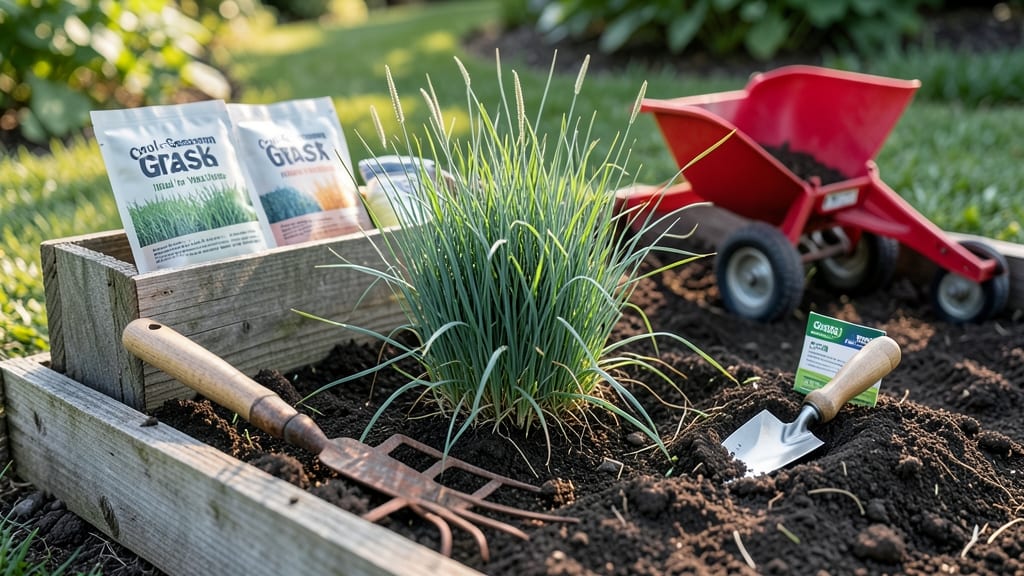
Timing your grass seed planting in Virginia can make or break your lawn’s success—especially with the state’s shifting microclimates. Whether you’re in the humid Coastal Plain, the rolling Piedmont, or the cooler Mountains, getting it wrong means patchy growth or wasted seed.
The best months for planting 🌱 turfgrass hinge on soil warmth, rainfall, and frost dates, not just a calendar.
Most Virginia gardeners swear by early spring (March–April) when soil temperatures hit 55–65°F, but late summer (August–September) offers a second chance for thick, resilient lawns. The key? Avoid seeding too early when frost lingers or too late when summer heat stresses young sprouts.
I’ll break down exactly when to plant in each region—and how to prep your soil for fast germination—so you skip the guesswork.
Why does this matter? Because a lush lawn isn’t just about aesthetics—it’s about reducing weeds, preventing erosion, and creating a durable foundation for your yard.
Whether you’re fixing bare spots or establishing a new 🌱 turfgrass area, the right timing (and a few pro tips) will save you time, money, and frustration. Let’s get your lawn off to the best start possible.
Ready to dive in? I’ll walk you through soil prep, seed selection, and post-planting care tailored to Virginia’s unique zones—so you can enjoy that green carpet all season long. No more second-guessing, just confident planting.
Virginia’s ideal grass seed planting months by region (Coastal, Piedmont, mountain)
Virginia’s three distinct climate zones—Coastal Plain, Piedmont, and Mountains—each demand different grass seed planting windows for optimal germination. The last frost date (March 15 on average) and soil temperature thresholds (55–65°F) are your best guides, but regional variations matter.
Let’s break down the ideal planting months for each zone to ensure your lawn thrives.
In the Coastal Plain (USDA Zones 7b-8a), milder winters and higher humidity allow for earlier spring planting and a slightly extended fall window. The Piedmont region (Zones 6b-7a) experiences hotter summers and cooler winters, making early spring and late summer the sweet spots.
Meanwhile, the Mountains (Zones 6a-7a) have shorter growing seasons, so timing is critical—focus on late spring and early fall to avoid frost damage.
Here’s how to align your planting schedule with Virginia’s microclimates for faster, healthier grass growth:
| Region | USDA Zone | Best Planting Window | Soil Temp Threshold | Key Consideration |
|---|---|---|---|---|
| Coastal Plain | 7b-8a | Early spring (Feb–March) or late summer (Aug–Sept) | 55–65°F | Higher humidity; watch for fungal risks in fall. |
| Piedmont | 6b-7a | Late spring (April) or early fall (Sept) | 55–65°F | Hot summers; prioritize shade-tolerant varieties. |
| Mountains | 6a-7a | Late spring (May) or early fall (Aug–Sept) | 50–60°F | Cooler temps; extend fall window with frost cloth. |
For Coastal Virginia, aim to plant grass seed in February or March to capitalize on the mild winters and longer growing season. The Piedmont’s hotter summers make April or September ideal, as these months avoid extreme heat or frost.
Meanwhile, Mountain gardeners should wait until May or August to ensure soil warmth and minimize frost damage.
Pro tip: Use a soil thermometer to confirm temperatures before planting. If your soil is below 55°F, wait a week or two—cold soil slows germination and invites disease. Cooler mountain soils may need extra patience, while Coastal areas can often plant earlier due to their warmer microclimates.
Another critical factor is rainfall patterns. The Coastal Plain receives more consistent moisture, while the Piedmont and Mountains may need supplemental watering during dry spells.
Plan to water 1 inch per week (or daily if temperatures exceed 90°F) for the first 4–6 weeks after planting to keep seeds moist but not waterlogged.
If you’re overseeding an existing lawn, time it with your region’s peak growing season. For example, Coastal Virginia can overseed in late summer (August), while Mountain regions should wait until September to avoid early frosts.
Always mow your lawn short (1–1.5 inches) before overseeding to ensure good seed-to-soil contact.
Finally, choose grass seed varieties suited to your region. Tall fescue thrives in the Coastal Plain and Piedmont, while fine fescue is better for Mountain shade gardens. Kentucky bluegrass adapts well to Piedmont heat but needs more water.
Matching your seed to your local climate is half the battle for a lush lawn.
With these region-specific guidelines, you’ll avoid the common pitfalls of patchy germination or slow growth that plague poorly timed plantings. Next, we’ll dive into how Virginia’s microclimates—from coastal humidity to mountain frosts—can make or break your grass seed success.
Virginia’s ideal grass seed planting months by region (Coastal, Piedmont, mountain)
Virginia’s three distinct regions—Coastal Plain, Piedmont, and Mountains—each demand different timing for planting 🌱 turfgrass seed. The Coastal Plain, with its milder winters, often starts as early as mid-February, while the Mountains may wait until late April due to lingering frost.
These differences aren’t just about dates—they’re about soil temperature, rainfall patterns, and frost risks that can make or break your lawn’s success.
For most Virginia gardeners, the sweet spot is early spring (March–April) or late summer (August–September). Early spring gives young grass a head start before summer heat sets in, while late summer seeding takes advantage of cooler temps and consistent rainfall.
But timing isn’t one-size-fits-all—your microclimate plays a huge role in when to plant for fast germination.
Soil temperature is the golden rule: aim for 55–65°F at a 4-inch depth. In the Coastal Plain, this often happens by early March, while the Piedmont might need to wait until mid-April, and the Mountains could push it to May. Using a soil thermometer takes the guesswork out of it—no more waiting too long or planting too soon when frost could still strike.
| Region | Best Planting Window | Soil Temp Threshold | Key Considerations |
|---|---|---|---|
| Coastal Plain (Zones 7b-8a) | Mid-February to early April | 55–65°F (earlier than other regions) | Higher humidity; watch for fungal risks |
| Piedmont (Zones 6b-7a) | Late March to mid-April | 55–65°F (warmer by April) | Moderate heat; drought possible in late spring |
| Mountains (Zones 6a-7a) | Late April to early May | 60–65°F (cooler, later start) | Late frosts; shorter growing season |
| All Regions (Fall Option) | August to early September | 60–75°F (cooler evenings) | Avoids summer heat; ideal for overseeding |
If you miss the spring window, don’t panic—late summer (August–September) is your second chance. This period offers cooler temps, consistent rainfall, and fewer weeds competing for resources. It’s why many Virginia lawns get their thickest growth when seeded in fall.
Just avoid planting too close to the first frost (typically mid-November in most regions), or your young grass won’t have time to establish roots.
Pro tip: Seed variety matters too. Coastal areas thrive with tall fescue or bermudagrass, while the Mountains do better with fine fescue or Kentucky bluegrass.
Matching your seed to your microclimate ensures faster germination and a lawn that survives Virginia’s extremes—whether it’s humid coastal heat or mountain frost.
Remember, the goal is fast germination and root establishment. Plant too early, and frost will kill your seedlings. Plant too late, and summer heat will stress them. But get it right, and you’ll have a lush, weed-resistant lawn in no time—no more patchy, struggling grass! 🌱