
Plants
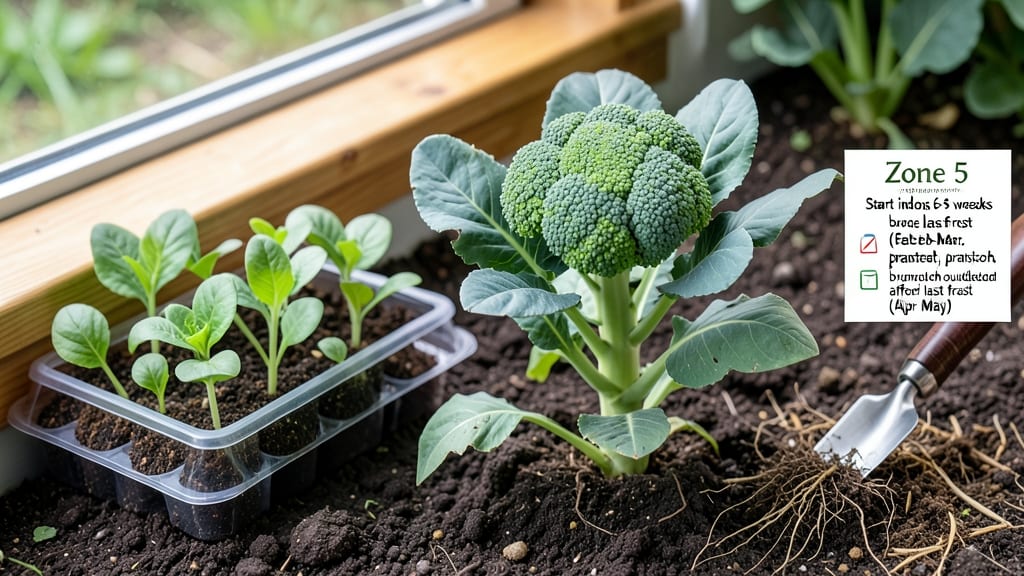
Timing your broccoli planting in Zone 5 isn’t just about throwing seeds in the dirt—it’s the secret to avoiding bitter, bolted greens and getting those perfect, 🥦-sized heads you crave.
In Zone 5, where frosts can sneak up mid-April or linger into October, planting too early or too late means missing the sweet spot for cool-season growth.
Most gardeners in Zone 5 make one of two mistakes: planting spring broccoli too close to the last frost (risking stunted growth) or starting fall crops too late (ending with tiny, underwhelming heads).
The key is working with your local frost dates—typically aiming for 4-6 weeks before the last frost in spring or 8-10 weeks before the first frost in late summer.
But here’s the game-changer: not all broccoli varieties play nice in Zone 5’s unpredictable swings. Some bolt at the first hint of heat, while others thrive even when temps dip into the 30s°F.
I’ll break down the best cold-hardy varieties and exactly when to plant them—plus how to stretch your harvest window with simple tricks like row covers and succession planting.
Ready to stop guessing and start growing? Let’s dive into the exact dates, soil temps, and backup plans that’ll turn your Zone 5 garden into a broccoli powerhouse—no more wasted seeds or sad, bolted plants.
Zone 5 broccoli planting calendar: exact dates for direct sowing vs transplants
Getting your broccoli timing right in Zone 5 means knowing when to start seeds indoors versus when to plant directly outside. The key is working with your last frost date (typically mid-April) and soil temperatures that stay above 40°F.
For most of Zone 5, this means starting in March for spring harvests and July-August for fall crops.
I’ve planted broccoli in both early spring and late summer—the difference between a thriving crop and one that bolts (goes to seed) too quickly often comes down to these exact dates.
Let’s break it down by method so you can choose what works best for your schedule and garden space.
📅 Comparison Table: Zone 5 Broccoli Planting Windows
| Method | Start Indoors | Direct Sow Outside | Transplant Outside | Harvest Window |
|---|---|---|---|---|
| Spring Planting | 4-6 weeks before last frost (early March) | 4-6 weeks before last frost (late March) | 2-3 weeks after last frost (mid-April) | Late May - July |
| Fall Planting | 8-10 weeks before first frost (early July) | 8-10 weeks before first frost (mid-August) | 6 weeks before first frost (early September) | September - October |
Note: Adjust dates 1-2 weeks earlier for northern Zone 5 (e.g., Chicago) or later for southern areas (e.g., Atlanta).
For direct sowing, I recommend starting seeds outdoors 4-6 weeks before your last frost date. In most of Zone 5, this lands in late March. The soil should be workable (not frozen or waterlogged) and at least 40°F.
If your soil is still too cold, wait—broccoli seeds won’t germinate well below 45°F.
If you’re using transplants, start seeds indoors 6-8 weeks before your last frost (early March) and move them outdoors 2-3 weeks after the last frost. This gives seedlings a head start in cooler soil.
I’ve found that hardening off transplants for 7-10 days before moving them outside reduces shock and improves survival rates.
Zone 5 gardeners often struggle with unpredictable frost dates. If you miss the spring window, don’t worry—fall planting is just as productive. Aim to plant seeds or transplants 8-10 weeks before your first frost (typically mid-August for direct sowing or early July for indoor starts).
This ensures your broccoli matures before winter sets in.
One common mistake I see is planting too early in spring when soil is still cold. Broccoli seeds can take 7-14 days to germinate in cool soil, and slow starts delay the entire growing season.
To avoid this, use a seedling heat mat or wait until soil temperatures consistently stay above 50°F.
For succession planting, make a second sowing 2-3 weeks after your first planting. This staggered approach ensures a continuous harvest. In Zone 5, I usually plant a second batch in early April for a late-spring crop and a third in mid-July for fall.
Pro tip: Use row covers or cold frames to extend your spring planting window by 2-3 weeks. This is especially helpful if you experience late frosts. Just remove covers when plants are established to prevent overheating.
Finally, keep an eye on your local microclimate. Gardens in valleys or near large bodies of water may frost later than those on hillsides. I always check my neighbor’s frost dates or use a frost calendar app to fine-tune my planting schedule.
Zone 5 broccoli planting calendar: exact dates for direct sowing vs transplants
In Zone 5, broccoli thrives in cool weather but struggles with summer heat, making timing critical. The key is planting when soil temperatures stay below 75°F—ideal for germination and growth. For most of Zone 5, this means two main windows: early spring and late summer.
Your last frost date (typically mid-April) and first frost date (mid-October) are your anchors. Broccoli needs 60-80 days to mature, so plan accordingly. Let’s break down the exact dates and methods for success—whether you’re direct sowing seeds or using transplants.
| Method | Best Planting Window | Soil Temp Requirement | Days to Harvest |
|---|---|---|---|
| Direct Sowing (Spring) | 4-6 weeks before last frost (Feb 20 - Mar 15) | 40-50°F | 60-80 days |
| Transplants (Spring) | 2-3 weeks before last frost (Mar 15 - Apr 1) | 45-55°F | 50-70 days |
| Direct Sowing (Fall) | 8-10 weeks before first frost (Aug 1 - Aug 15) | 50-60°F | 50-65 days |
| Transplants (Fall) | 6-8 weeks before first frost (Aug 15 - Sep 1) | 55-65°F | 45-60 days |
For spring planting, I recommend starting seeds indoors 6-8 weeks before your last frost date if you’re using transplants. This gives seedlings a head start in cooler soil.
If you’re direct sowing, wait until soil warms to at least 40°F—usually late February to early March in most of Zone 5.
Fall planting is trickier but rewarding. Aim for mid-August to early September to ensure broccoli matures before frost. Use fast-maturing varieties (like ‘Waltham 29’) to hedge against early cold snaps. If your fall is unpredictable, opt for transplants over seeds—they establish faster.
Adjust your timeline if your Zone 5 location has early or late frosts. Check your local frost dates (via the USDA Plant Hardiness Zone Map) and add 1-2 weeks of buffer for safety.
For example, if your last frost is April 10, plant transplants by March 25 instead of March 15.
Pro tip: Use row covers or cold frames to extend your spring or fall season by 2-3 weeks. This is especially helpful if you’re pushing the limits of your planting window. Just remove covers during the day to prevent overheating.
Timing mistakes like planting too early (risking bolting) or too late (slow growth) can ruin your harvest. Follow these windows closely, and you’ll enjoy fresh broccoli from late spring through fall—even in Zone 5’s unpredictable climate. 🥦