
Plants
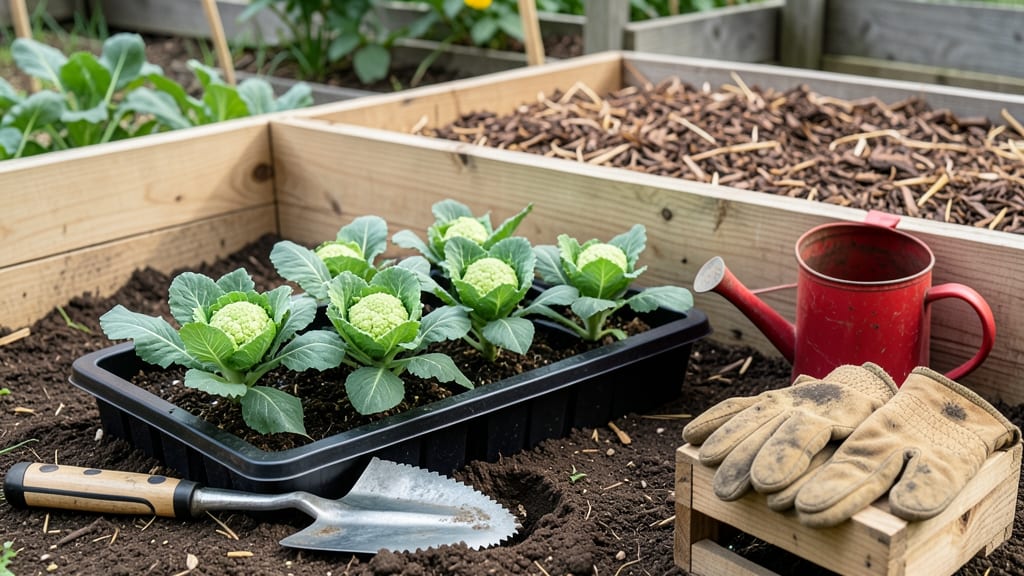
Timing your cauliflower planting in Zone 7 is the key to avoiding bitter heads and wasted effort—because getting it wrong means bolting before harvest. This cool-weather crop 🥬 demands precision, and even a few degrees off can turn your garden dreams into disappointment.
Most gardeners in Zone 7 focus on two windows: early spring (March-April) or late summer (July-August), but the real secret lies in soil temperatures and frost dates. Plant too soon, and your seedlings will languish; too late, and heat will send your plants into premature flowering.
Let me show you exactly when to start seeds indoors and when to transplant for foolproof results.
You’ll also discover how to stretch your harvest season with succession planting and which cold-hardy varieties perform best in Zone 7’s unpredictable climate.
Whether you’re a first-timer or a seasoned grower, these actionable steps will help you grow heads that are firm, flavorful, and ready to harvest by June or October.
Ready to transform your garden into a cauliflower powerhouse? Let’s break down the perfect planting schedule so you can enjoy homegrown 🥬 from spring through fall—without the guesswork.
Best planting times for cauliflower in Zone 7: exact start dates
Cauliflower in Zone 7 thrives when planted during cooler months, avoiding both late spring heat and early fall frost. The key is timing your seed starting and transplanting to match soil temperatures and frost dates.
In Zone 7, you’ll have two ideal planting windows: early spring and late summer.
For spring planting, start seeds indoors 4-6 weeks before your last frost date (typically mid-March in Zone 7). Transplant seedlings outdoors 2-3 weeks before the last frost, ensuring soil temperatures are above 40°F to prevent stunted growth. This usually lands in early April for most of Zone 7.
If you miss the spring window, don’t worry—fall planting is just as productive. Begin seeds indoors in late July and transplant outdoors in early August. This gives your cauliflower time to mature before first frost (usually mid-October in Zone 7).
| Planting Window | Start Indoors | Transplant Outdoors | Soil Temp | Frost Risk |
|---|---|---|---|---|
| Spring | Mid-March | Early April | Above 40°F | Low (after last frost) |
| Fall | Late July | Early August | Above 50°F | Moderate (before first frost) |
Avoid planting cauliflower in late spring or early summer when temperatures exceed 75°F. Heat stress causes bolting (premature flowering), ruining your heads. If you’re unsure about your local frost dates, check the USDA Plant Hardiness Zone Map or use a frost calendar for your specific city.
For direct sowing (skipping the indoor start), plant seeds outdoors in early spring as soon as soil is workable (usually late February to March). However, seedlings started indoors grow faster and are less stressed when transplanted. In fall, direct sowing isn’t recommended—indoor starts are critical for timing.
Pro tip: Use a soil thermometer to confirm temperatures before transplanting. Cauliflower roots struggle in cold, wet soil, so wait until the ground warms to at least 50°F for fall plantings. This small step prevents rot and poor establishment.
If you’re in a warmer microclimate within Zone 7 (e.g., near the coast), adjust your fall planting slightly later—aim for mid-August transplants to avoid early heat. Conversely, in cooler inland areas, you might push spring planting to late March for safety.
Remember, succession planting isn’t common for cauliflower, but you can stagger starts every 2-3 weeks in spring or fall to extend your harvest. Just ensure each batch has enough time to mature before frost. With the right timing, you’ll enjoy fresh cauliflower from June through November in Zone 7!
🌱
Best planting times for cauliflower in Zone 7: exact start dates
Zone 7 gardeners have a 6-week window for spring planting and another in late summer, but timing is everything. Cauliflower 🥬 thrives when soil temps hover between 40°F and 75°F—any hotter, and it bolts; any colder, and growth stalls.
My secret? Start seeds indoors 4-6 weeks before your last frost date (around March 15 in most of Zone 7).
For fall harvests, begin seeds indoors in early July to transplant by mid-July. This gives plants time to mature before first frost (typically October 15). The key is avoiding summer heat—cauliflower hates temperatures above 80°F for more than a few days.
📅 Zone 7 Cauliflower Planting Timeline
| Season | Start Indoors | Transplant Outdoors | Harvest Window |
|---|---|---|---|
| Spring | March 15–April 1 | April 15–May 1 | June–July |
| Fall | July 1–15 | July 15–August 1 | October–November |
💡 Pro Tip: Use a soil thermometer to confirm temps are above 40°F before transplanting.
Don’t let Zone 7’s unpredictable spring catch you off guard. If frost threatens after transplanting, cover seedlings with frost cloth for 2-3 nights. I’ve lost entire batches to late frosts—until I started monitoring 7-day forecasts religiously.
For extended harvests, try succession planting every 2 weeks in spring and fall. This ensures a steady supply of heads instead of one massive harvest. Just be sure to harden off seedlings for 7-10 days before transplanting to avoid shock.
One common mistake? Planting too close to summer’s heat. If you miss the July window, try shade cloth (30-50%) to protect plants from bolting. I’ve had success with ‘Purple of Sicily’ under partial shade in August—it’s more heat-tolerant than most varieties.
Remember: Soil prep is just as critical as timing. Amend your beds with compost and aged manure before planting to provide the phosphorus and potassium cauliflower craves. My soil test revealed a pH of 6.5—ideal for this crop, but yours might need lime or sulfur to match.