
Plants
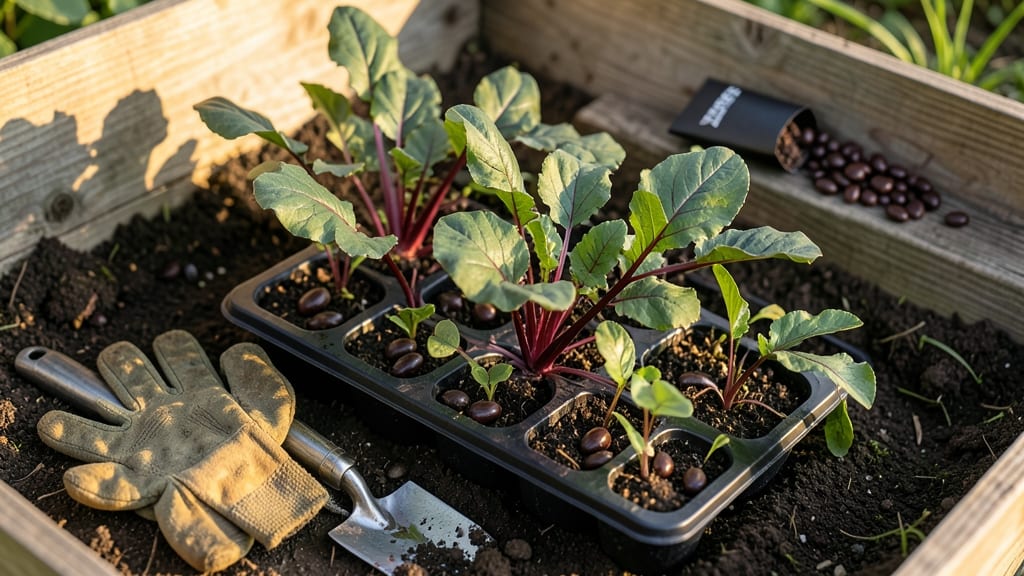
If you're dreaming of crisp, sweet 🍠 beets from your South Carolina garden, timing your planting is the secret weapon between a thriving harvest and wasted effort. The wrong schedule can mean bolting plants or bitter roots—neither of which you want when you're craving that earthy crunch.
Lucky for you, SC's mild winters and extended growing season create two perfect windows to get this cold-hardy crop in the ground for a fast, flavorful payoff.
Most gardeners in zones 7b-9a know early spring (February-March) is prime time, but did you know late summer (August-September) offers a second chance? That fall planting window actually gives you beets that mature just before winter sets in—ideal for avoiding summer's heat stress.
The key is understanding how your specific region's frost dates play into this, whether you're in coastal Charleston or the Piedmont hills.
What makes beets so forgiving is their ability to handle cool soil temperatures, but even they have limits. Plant too early, and you risk frost damage to those delicate seedlings. Too late, and summer's intensity can turn your harvest woody.
I'll show you exactly when to put those seeds in the dirt for maximum sweetness, plus how to stretch your growing season with simple tricks that work in SC's climate.
Ready to skip the guesswork? By the end, you'll know not just when to plant, but how to time it for the fastest harvests and avoid the most common SC-specific mistakes that trip up even experienced gardeners. Let's get those beets growing the right way.
Best planting windows for beets in South Carolina’s climate zones
South Carolina’s USDA zones 7b-8a create a unique growing environment for beets, where mild winters and hot summers demand precise timing. The key is planting when soil temperatures are 50°F+ but before summer heat triggers bolting.
In most of SC, this means two main windows: early spring and late summer.
For coastal SC (zones 8a), like Charleston or Hilton Head, you can start as early as January for fall harvests, while inland areas (zones 7b) should wait until February-March to avoid frost damage.
The last frost date typically falls in mid-March, giving you a 4-6 week window before summer heat sets in.
Here’s how to align your planting with SC’s climate for sweet, tender beets:
| Planting Window | Ideal Months | Soil Temp | Harvest Window | Notes |
|---|---|---|---|---|
| Early Spring | February-March | 50-65°F | May-July | Start seeds indoors 4-6 weeks before last frost for faster growth. |
| Late Summer | August-September | 60-75°F | October-November | Use shade cloth (30-50%) to prevent bolting in August heat. |
| Winter (Coastal Zones) | January-February | 55-60°F | March-April | Mulch heavily to protect from light frosts; ideal for Zone 8a. |
If you’re in Upstate SC (zones 7b), like Greenville or Spartanburg, focus on March-April plantings to avoid early frosts. For coastal areas, you can stretch your season by planting every 2-3 weeks from February through September, ensuring a continuous harvest.
Pro tip: Test your soil temperature with a soil thermometer—beets won’t germinate well below 50°F. Aim for 60-70°F for optimal growth. In Zone 8a, you can even try a fall planting in October for a winter harvest, but use row covers to protect from unexpected frosts.
For market farmers, prioritize Detroit Dark Red or Chioggia varieties—they mature faster (50-55 days) and handle SC’s heat better than standard types. Succession planting every 2 weeks in spring and 3 weeks in fall keeps your supply steady.
Remember: Beets are cold-hardy but heat-sensitive. Planting too late in summer risks bolting (flowering prematurely), which makes roots woody and bitter. Monitor your garden’s microclimate—shady spots or dappled sunlight can extend your summer window by 2-3 weeks.
🌱
How to extend your beet harvest season in SC’s heat
Summer’s intense heat in South Carolina can turn your beets bitter and woody if you’re not careful—but with the right strategies, you can extend your harvest window by 4-6 weeks. The key is managing soil moisture, shade, and variety selection to avoid bolting.
Even in Zone 8a’s sweltering August afternoons, you can still grow sweet, tender beets with these proven techniques.
First, focus on heat-tolerant varieties like ‘Detroit Dark Red’ or ‘Chioggia’, which mature in 50-55 days and handle warmer soil temperatures better than standard types.
These varieties stay sweet even when grown in 75°F+ soil, making them ideal for late summer plantings in SC’s coastal and Piedmont regions.
- 🌡️ Use shade cloth (30-50%) during peak summer months (June-August) to reduce soil temps by 10-15°F. This prevents bolting and keeps roots tender.
- 💧 Water deeply in the morning (1-1.5 inches per week) to maintain consistent soil moisture. Let the top 1-2 inches dry between waterings to avoid fungal diseases like leaf spot.
- 🌱 Plant in raised beds with organic mulch (straw or shredded leaves) to insulate roots and retain moisture. This works especially well in clay-heavy soils common in Upstate SC.
- ⏰ Stagger plantings every 2-3 weeks from late July through early September for a continuous harvest. This ensures some beets mature before summer’s worst heat arrives.
- 🌿 Harvest young (1-2 inches in diameter) for the sweetest flavor. Larger roots left in the ground longer in heat develop a stronger, earthier taste.
If you’re in Zone 7b, like Greenville or Spartanburg, aim for late August plantings to avoid the hottest part of summer. Use drip irrigation to deliver water directly to the roots, reducing evaporation and keeping foliage dry.
This method also cuts down on weed competition, which steals moisture from your beets during dry spells.
For coastal gardeners in Zone 8a, take advantage of the maritime climate by planting every 3 weeks from June through September. The cooler ocean breezes help mitigate heat stress, allowing you to harvest beets well into October.
Just be sure to test soil moisture daily—sandy soils in areas like Hilton Head dry out faster than clay soils inland.
One common mistake is assuming all beets bolt in heat, but ‘Boltardy’ varieties (like ‘Early Wonder Tall Top’) are bred to resist flowering triggers. Pair these with succession planting, and you’ll have fresh beets from June through November—even in SC’s hottest months.
🌻