
Plants
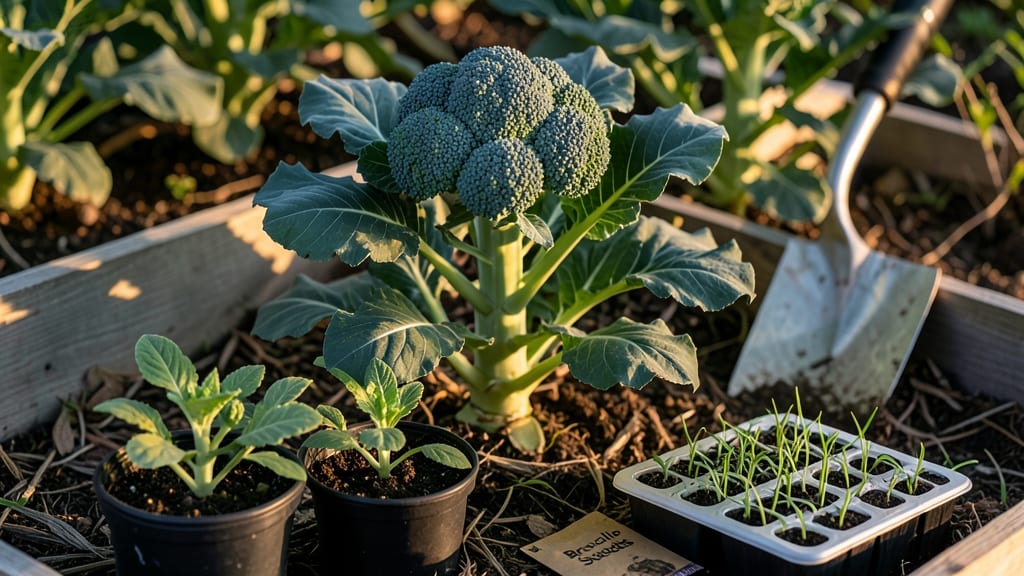
Knowing when to plant broccoli in Massachusetts can mean the difference between a bountiful harvest and a wasted effort—especially when New England’s unpredictable spring frosts and summer heat play spoiler. 🥦
If you’ve ever watched your seedlings wilt under late frost or seen your heads bolt in July’s heat, you’re not alone. The key is planting at the right time—both in early spring and late summer—to work with Massachusetts’s 6a climate while avoiding common pitfalls.
I’ve tested the best windows over the years, and what works here might surprise you.
You’ll learn exactly when to start seeds indoors or set out transplants for two successful harvests: one in late spring and another in crisp fall. Plus, I’ll share which cold-hardy varieties thrive in our short season and how to protect your crop from unexpected frost or scorching sun.
Let’s get your broccoli growing the right way.
From soil prep to harvest timing, this guide cuts through the guesswork so you can enjoy homegrown broccoli from June through November—without the frustration. Ready to plant with confidence?
Broccoli planting calendar for Massachusetts: frost dates & optimal timing
Massachusetts gardeners face unique challenges with its short growing season and unpredictable frosts. Unlike warmer climates, broccoli thrives in cool weather, making timing critical for a successful harvest.
The state’s USDA Zone 6a means you can grow broccoli in both spring and fall, but missing the window by even a week can spell disaster.
For most of Massachusetts, the average last frost date falls around April 15 in inland areas, while coastal regions like Cape Cod may see frost-free conditions by mid-April. The first frost typically arrives October 15, giving you roughly 165 frost-free days.
This tight timeline demands precision—plant too early, and seedlings will bolt; too late, and summer heat will turn your broccoli bitter.
Here’s the exact planting schedule I follow in my Worcester garden, tailored to Massachusetts’ microclimates:
| Planting Window | Region-Specific Timing | Key Varieties | Days to Harvest |
|---|---|---|---|
| Early Spring |
Boston/Worcester: March 15–April 15 Cape Cod: April 1–April 15 |
Waltham 29, De Cicco | 60–75 days |
| Late Summer | All Regions: August 1–September 15 | Calabrese, Belstar | 50–60 days |
| Succession Planting | Every 2 weeks from April–July | Green Goliath, Purple Sprouting | 55–80 days |
I always plant my spring broccoli 4–6 weeks before the last frost—typically in late March for inland areas. This gives seedlings time to establish roots before soil temperatures hit 60°F, which triggers bolting.
For fall plantings, I aim for 80–90 days before the first frost, usually early August, to ensure a harvest before winter sets in.
Massachusetts’ cooler coastal areas like Cape Cod can push spring planting slightly later (up to April 15), while inland zones like Worcester should start by March 15.
I’ve learned this the hard way—skipping a week in March can leave your seedlings vulnerable to late-season frosts, which are common in Zone 6a. Always check your local frost date averages and adjust accordingly.
One trick I swear by? Staggered planting. Instead of one big batch, I plant small groups every 2 weeks from April through July. This ensures a continuous harvest and reduces the risk of losing your entire crop to pests or disease.
For example, my first planting in late March yields heads in June, while my July planting produces a fall harvest in October.
Don’t overlook transplant timing either. If you start seeds indoors (which I recommend for early spring plantings), move them outside 2–3 weeks before the last frost.
Harden them off first by placing trays in a shady, protected spot for a week. This acclimation process prevents shock when they hit Massachusetts’ windy conditions.
For fall plantings, focus on heat-tolerant varieties like Calabrese, which can handle summer’s lingering heat better than traditional types. I also mulch heavily in August to keep roots cool—a must in MA’s humid summers. Without this, your broccoli will bolt prematurely or develop bitter flavors.
Pro tip: Use a frost watch or local agricultural extension service alerts to track unexpected late frosts. In 2022, a mid-April frost wiped out my unprotected seedlings—a costly lesson! Now, I always keep row covers on hand for emergency protection.
Best broccoli varieties for Massachusetts gardens & their planting quirks
Choosing the right broccoli varieties for Massachusetts can make or break your harvest. Our short growing season demands cold-hardy types that thrive in USDA Zone 6a while avoiding summer’s heat-induced bolting. I’ve grown Waltham 29 and De Cicco for years—they’re my top picks for their resilience and flavor.
For spring plantings, prioritize varieties with 50-70 day maturity like 'Belstar' or 'Blue Wind'. These handle late frosts better than heat-sensitive types. In fall, opt for 'Calabrese' (70-90 days) or 'Packman', which tolerate cooler temps and produce after summer’s intensity fades.
🌱 Pro Tip: Succession planting works best here. Stagger seeds every 2-3 weeks from March through June to extend harvests. My August-September plantings always yield the sweetest fall heads!
Spacing matters too—crowded plants compete for nutrients and light. Give Calabrese extra room (24-30") since it grows tall, while De Cicco fits neatly in tight spots (12-18"). I always plant mine in raised beds with compost-rich soil to prevent bolting from stress.
For microclimates like Cape Cod, push planting to mid-April—warmer coastal temps let you start earlier. Inland areas? Wait until after May 1 to avoid frost. Variety choice and timing are your secret weapons for consistent harvests in MA’s fickle climate.
🌿 Remember: Smaller varieties like 'Packman' (60 days) are perfect for containers if space is limited. Just ensure they get 6+ hours of sun daily—even in partial shade, growth slows dramatically.