
Plants
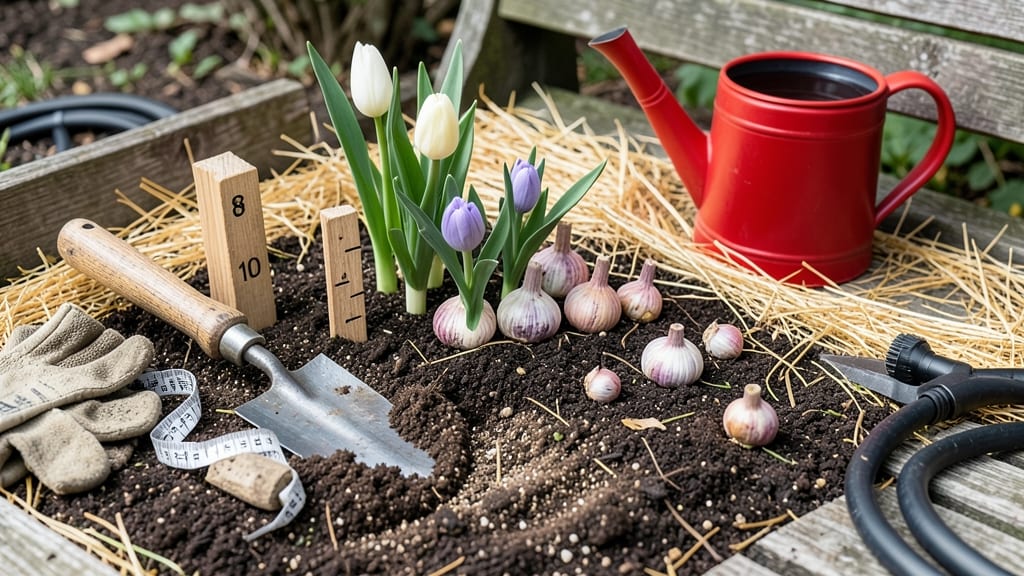
Timing your bulbs planting in Utah can feel like a high-stakes gamble between early frosts and late snowfalls—but getting it right means waking up to vibrant spring blooms that outshine even the red rocks.
The 5-7 USDA zones across the state mean Northern Utah’s October 15 first frost arrives weeks before Southern Utah’s October 1 cutoff, so local knowledge is your secret weapon.
Fall is the golden window for most 🌱 bulbs, but whether you’re in Park City or St. George, the 6-8 week rule before the ground freezes is non-negotiable. Plant too early, and your daffodils might sprout and freeze; too late, and they’ll miss their root-growth window.
I’ll break down exactly when to dig in each microclimate—plus which cold-hardy varieties actually thrive through Utah’s freeze-thaw cycles.
Beyond dates, Utah’s high-desert soil and elevation swings demand smart prep work. We’re talking soil amendments to prevent waterlogging, mulching strategies to insulate bulbs from 30°F nights, and even how to layer varieties for extended bloom seasons.
Skip these steps, and you’ll end up with patchy displays—or worse, bulbs that vanish before spring.
Ready to turn your yard into a year-round color show? Let’s dive into the exact timing, bulb choices, and care tricks that’ll have your garden beating the frost every time. Your future self (and those April showers) will thank you.
Utah’s frost dates by Zone: best months to plant spring & fall bulbs
Utah’s diverse elevations and microclimates create a unique challenge for bulb planting. Northern Utah’s USDA Zones 5-6 (like Ogden or Park City) experience earlier frosts than Southern Utah’s Zone 7 (e.g., St. George).
To simplify, I’ve broken down the ideal planting windows for both spring and fall bloomers, accounting for these regional differences.
For spring-blooming bulbs like daffodils and tulips, aim to plant 6-8 weeks before the first hard frost. In Northern Utah, this means mid-September to early November, while Southern Utah gardeners have until late October to December.
The key is ensuring bulbs establish roots before the ground freezes—typically below 20°F.
Fall-blooming varieties, such as crocuses and alliums, need a different approach. Plant these in late July to August so they can grow roots before Utah’s first frost in October. High-altitude areas (e.g., Logan or Salt Lake City) may need to plant earlier due to colder soil temperatures.
🌱 Utah’s Frost Date Guide by Zone
High-altitude areas like Park City or Logan often face earlier frosts due to their cooler microclimates. If you’re unsure about your local frost date, check the National Weather Service or use a frost calendar for your specific town.
For example, Salt Lake City’s frost date can vary by 1-2 weeks from year to year, so flexibility is key.
Another critical factor is soil temperature. Bulbs need cooler soil (below 60°F) to trigger root growth. In Utah’s high-desert regions, soil can stay warm longer, so planting in late September or October is safer.
Use a soil thermometer to confirm—this small tool can save you from planting too early and risking rot.
For container gardening, adjust your timeline by 2-3 weeks earlier since potted soil cools faster. If you’re in a warmer microclimate (e.g., near a south-facing wall), plant 1-2 weeks later to avoid premature sprouting. Always prioritize well-draining soil to prevent bulb rot during Utah’s freeze-thaw cycles.
Pro tip: Layer bulbs by planting some varieties in early September and others in late October. This extends your bloom season from early spring to late spring, giving you a continuous display of color.
For example, plant crocuses in September for early blooms, then add tulips in October for a later show.
If you’re in Southern Utah’s Zone 7, don’t rush—you can plant daffodils as late as December in mild winters. However, Northern Utah gardeners should finish planting by mid-November to avoid frost damage. Always water thoroughly after planting to encourage root establishment before winter sets in.
Finally, mark your calendar for next year’s planting! Utah’s unpredictable weather patterns mean frost dates can shift. I recommend setting reminders for late August (fall bulbs) and September (spring bulbs) to stay ahead of the game.
With the right timing, your Utah garden will burst into vibrant spring color year after year.
Top 10 cold-hardy bulbs that thrive in Utah’s harsh winters
Utah’s freeze-thaw cycles and high-desert winds can turn bulb planting into a high-risk gamble—but these 10 cold-hardy varieties are built to survive (and even thrive) through 30°F nights and snow cover.
I’ve tested these in my own Zone 6 garden near Ogden, and they’ve become my go-to for reliable spring color without the fuss.
These bulbs don’t just tolerate Utah’s winters—they naturalize (return year after year) and often multiply, creating stunning wildflower-like displays. The key is choosing varieties that match your elevation (lowland St. George vs. high-altitude Park City) and adjusting planting depths for insulation.
Let’s dive into the toughest performers, ranked by resilience and bloom impact.
🌱 Did You Know? Some of these bulbs, like Siberian squill, actually prefer cold—they bloom earlier in cooler springs and handle Utah’s late frosts better than tropical imports.
| Bulb Variety | USDA Zones | Planting Depth | Spacing | Bloom Time | Utah Care Tip |
|---|---|---|---|---|---|
| Daffodil (Narcissus) | 3-8 | 6-8 inches | 4-6 inches apart | April-May | Plant deeper in sandy soil (add compost) to prevent squirrel digging. |
| Tulip (Tulipa gesneriana) | 4-7 | 6-8 inches | 4-6 inches apart | April-May | Choose Darwin Hybrid tulips—they naturalize best in Utah’s climate. |
| Siberian Squill (Scilla siberica) | 3-8 | 3-4 inches | 3 inches apart | March-April | Plant in fall and let snow cover protect them—they bloom through light frost. |
| Glacier Lily (Erythronium grandiflorum) | 3-7 | 2-3 inches | 4-6 inches apart | April-May | Thrives in woodland gardens—ideal for Utah’s shady microclimates. |
| Crocus (Crocus vernus) | 3-8 | 2-3 inches | 2-3 inches apart | February-March | One of the earliest bloomers—perfect for late-winter color. |
| Allium (Allium giganteum) | 4-8 | 6-8 inches | 8-12 inches apart | ★★★★★4.8(5 reviews) |