
Planting
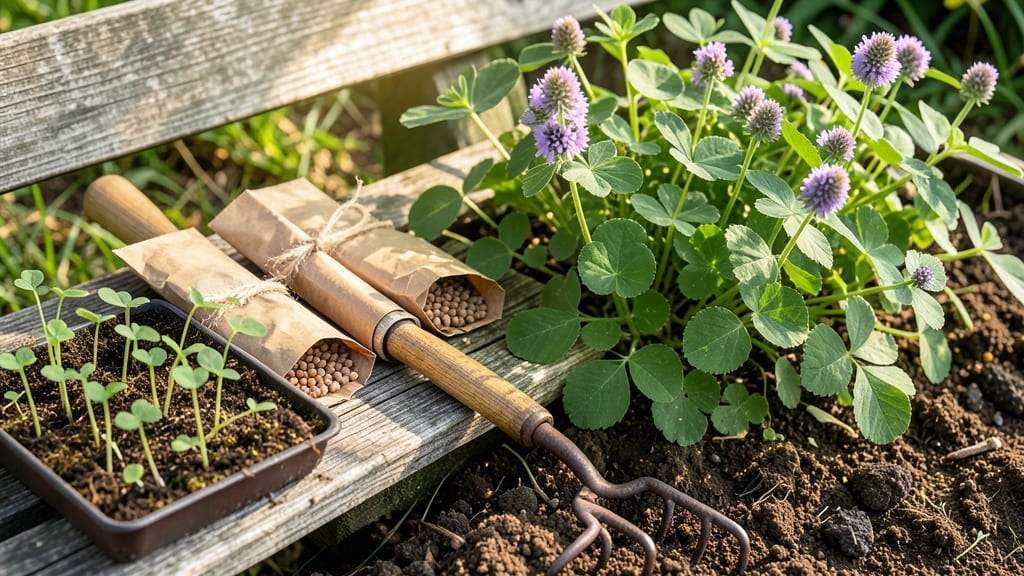
Planting alfalfa in the fall can be a game-changer for your forage crop—if you time it right. The key to success lies in understanding your local frost dates and choosing the perfect window between late summer and early fall, typically 4-6 weeks before the first frost hits.
Alfalfa 🌱 thrives when given time to establish roots before winter sets in, but planting too early or too late can leave your crop vulnerable. Whether you're in USDA Zone 6a or another region, knowing the ideal timing ensures your alfalfa survives the cold and returns stronger in spring.
In this guide, I’ll break down exactly when to plant, which cold-hardy varieties perform best, and the critical steps to prepare your soil for a successful fall planting. Let’s get your alfalfa off to the right start!
From soil prep to frost protection, I’ll cover everything you need to know to maximize germination and winter survival. Ready to set your alfalfa up for success? Let’s dive in.
Optimal fall planting windows for alfalfa by USDA hardiness Zones
Timing your alfalfa planting in fall can mean the difference between a lush, frost-resistant stand and a failed crop. The key is planting 4-6 weeks before your first frost date, giving seedlings time to establish roots before winter dormancy.
But this window varies dramatically across USDA hardiness zones—from the deep freezes of Zone 3 to the mild winters of Zone 10.
In cooler northern zones (Zones 3-5), aim to sow alfalfa seeds by early September to avoid early frosts. Southern regions (Zones 8-10) have more flexibility, with late October or even November plantings possible in mild climates. The goal? Let seedlings reach 4-6 inches tall before winter sets in.
Here’s how to pinpoint your fall planting window based on your zone:
| USDA Zone | First Frost Date | Ideal Planting Window | Soil Temp Threshold | Seedling Height Goal |
|---|---|---|---|---|
| 3-4 | Mid-September | Late July to early August | 50-55°F (10-13°C) | 4-6 inches |
| 5-6 | Late October | Early to mid-August | 55-60°F (13-16°C) | 5-7 inches |
| 7-8 | Mid-November | Late August to early September | 60-65°F (16-18°C) | 6-8 inches |
| 9-10 | December | September to early October | 65-70°F (18-21°C) | 7-10 inches |
For example, gardeners in Zone 6a (like much of the Midwest) should plant alfalfa by early August to ensure seedlings have time to establish before the first frost hits around October 15.
In Zone 9 (Southern California), you can push it to late September or early October without risking frost damage.
Pro tip: Use a soil thermometer to confirm temperatures are above 50°F (10°C) before sowing. Cold soil slows germination, leaving young plants vulnerable to winter kill. If your soil is still chilly, consider a lightweight row cover to accelerate warming.
Another critical factor is daylength. In fall, shorter days signal alfalfa to shift into dormancy mode. Planting too late (within 3-4 weeks of frost) can stunt root growth, making seedlings weak and prone to heaving (when roots freeze and thaw, lifting plants out of the soil).
If you’re in a transition zone (like Zone 7b), err on the earlier side. A late August planting gives you a buffer if temperatures drop unexpectedly. And remember: alfalfa’s first harvest won’t come until the second spring, so invest the time now to build a resilient stand.
For those in Zone 10 or warmer, fall plantings can even extend into November, but monitor rainfall patterns. Overly wet soils in winter can lead to root rot, so prioritize well-draining soil and avoid low-lying areas where water pools.
Finally, check your local almanac for 10-year frost averages—climate change is shifting frost dates in many regions. A 5-7 day buffer beyond the "average" frost date adds a safety net for unpredictable winters.
Cold-hardy alfalfa varieties that excel in fall plantings
Not all alfalfa varieties handle fall planting equally—some thrive with early frost exposure, while others struggle to establish before winter. Choosing the right cold-hardy variety can mean the difference between a lush spring regrowth and a failed crop.
My top picks for fall sowing include Remont, Ladak, and Mediterranean types, each with unique frost tolerance and establishment speed.
For regions with early frosts (Zones 3-5), Ladak alfalfa stands out for its ability to withstand sub-zero temperatures while still developing a strong root system. This variety is a favorite among organic farmers in colder climates because it regenerates quickly in spring, even after a harsh winter.
Meanwhile, Remont varieties are ideal for warmer fall zones (Zones 6-8) where frosts arrive later.
Here’s how these varieties compare in terms of winter survival and yield potential—critical factors when planting in fall:
If you’re in a transition zone (Zones 5-7), consider mixing Ladak and Remont varieties for a balanced stand. Ladak handles the early frosts, while Remont ensures higher yields in spring once temperatures rise.
For warmer climates (Zones 8-10), Mediterranean alfalfa is a solid choice—it establishes quickly and produces dense foliage before winter dormancy.
Pro tip: Always check the seed packet label for cold tolerance ratings. Look for varieties labeled "winter-hardy" or "early maturing"—these are your best bets for fall plantings. Pair your choice with a light mulch layer (straw or leaves) to insulate young seedlings from sudden temperature drops.
Remember, the goal is to give your alfalfa enough time to root deeply before dormancy. With the right variety and a little extra care, your fall-planted alfalfa will reward you with vibrant regrowth in spring—ready for harvest or livestock grazing. 🌱