
Plants
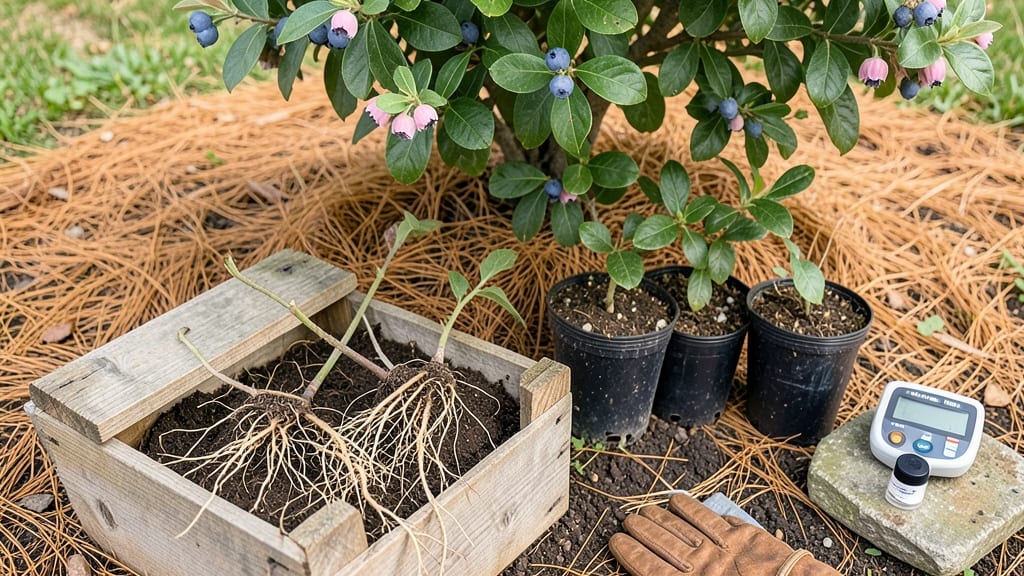
Timing your blueberry planting in Southern California isn’t just about the calendar—it’s about dodging frost, beating the heat, and giving your 🫐 bushes the best shot at survival. Unlike cooler climates where spring planting is standard, our mild winters and scorching summers demand a smarter approach.
If you plant too early, coastal breezes might chill young roots, while late planting risks exposing them to summer’s brutal sun before they’ve had a chance to establish.
The sweet spot? A carefully timed window that varies by microclimate—coastal areas can start earlier, while inland desert zones need to wait for cooler soil temps.
I’ve tested these strategies firsthand in USDA zones 9b-11, and the results speak for themselves: bushes that thrive, fruit that ripens, and zero frost-related heartbreak. Let’s break down the exact months to plant based on where you live—and how to prep your soil for success.
Whether you’re a first-time gardener or a seasoned pro, these insights will help you avoid common pitfalls like overwatering in summer or ignoring soil pH. Ready to grow blueberries that actually make it past their first year? Let’s get started.
Best months to plant blueberries in Southern California by microclimate Zone
Southern California’s diverse microclimates—from frost-free coastal areas to inland deserts with rare cold snaps—mean one-size-fits-all planting advice won’t work. Coastal zones like San Diego (USDA Zone 10a-11) have near-year-round growing seasons, while inland valleys like Los Angeles (Zone 9b-10a) or the desert (Zone 9b) face occasional frost.
Timing your blueberry planting to these conditions is the key to survival and fruit production.
For coastal regions, your window is wider: October through February offers ideal soil temperatures (50–70°F) and minimal frost risk. Inland areas, however, should plant between November and March to avoid late-winter frosts that can damage young roots.
Even a single 28°F night can kill tender blueberry bushes, so check your local frost date averages—Palm Springs might see frost in December, while Santa Barbara rarely does.
Here’s how to match your microclimate to the perfect planting month, including soil prep and variety choices tailored to your zone.
Southern California Blueberry Planting Guide by Microclimate
| Zone & Location | Best Planting Months | Soil Temp Range | Frost Risk | Recommended Varieties |
|---|---|---|---|---|
| Coastal (San Diego, Santa Barbara) - Zones 10a-11 | October–February | 55–70°F | Minimal (rare below 32°F) | 'Misty', 'O’Neal', 'Duke' |
| Valley (LA, Riverside) - Zones 9b-10a | November–March | 50–65°F | Low (December–January) | 'Southland', 'Climax', 'Jersey' |
| Desert (Palm Springs, Coachella) - Zone 9b | December–February | 45–60°F | Moderate (frost possible Dec–Jan) | 'Misty' (dwarf), 'Bluecrop' |
| Urban Heat Islands (e.g., Downtown LA) | November–January | 50–65°F (cooler nights) | Low (but heat stress risk) | 'Top Hat' (dwarf), 'Chester' |
If you’re in a high-frost-risk zone (like the desert foothills), opt for container-grown blueberries or plant in raised beds with black plastic mulch. These methods let you warm the soil faster in spring, giving your plants a head start.
For example, 'Misty', a dwarf variety, thrives in containers and tolerates heat better than standard bushes.
Another critical factor is soil temperature. Blueberry roots need soil that’s at least 50°F to establish properly. Use a soil thermometer to check—if temps are below 45°F, wait a week or two.
Inland areas often see cooler soil temps in December and January, making February the safest month for planting in valleys like San Bernardino.
For coastal gardeners, the real challenge isn’t frost—it’s summer heat stress. Planting in late winter (February–March) gives roots time to establish before the June–August dry season. Pair your blueberries with shade cloth (30–50%) during peak sun hours to protect young plants.
Mulching with wood chips (3–4 inches deep) also helps retain moisture and cool root zones.
Don’t overlook rainfall patterns. Coastal areas get winter rains (November–March), which can water your new plants—but inland deserts rely on manual watering. If you plant in December or January in the desert, schedule deep watering every 5–7 days to prevent root desiccation.
A drip irrigation system is ideal for consistent moisture without wetting foliage (which promotes fungal diseases).
Finally, hardening off nursery-bought blueberries is a must, especially if you’re planting in cooler inland zones. Acclimate your plants to outdoor conditions over 7–10 days before transplanting. Start by placing them in partial shade for a few hours daily, then gradually increase exposure.
This reduces shock and improves survival rates—critical when your $25–$50 investment is on the line.
With the right timing and microclimate adjustments, your blueberry bushes will thrive year-round in Southern California—yielding sweet, homegrown berries by spring or summer. Just remember: coastal = plant early (Oct–Feb), inland = plant late (Nov–Mar)
How to prepare your blueberry bushes for Southern California’s extreme conditions
Southern California’s blueberry bushes face two major challenges after planting: scorching summer heat and alkaline native soil. Without the right prep, your 🫐 plants will wilt or fail to produce fruit. The key? Hardening off nursery plants, choosing heat-tolerant varieties, and creating the perfect microclimate with mulch and shade.
I’ve learned the hard way—skipping these steps means watching your bushes struggle by June. But with the right approach, your blueberries can thrive even in 100°F+ temperatures.
Start by selecting drought-resistant varieties like 'Misty' or 'O’Neal', which handle heat better than traditional types. These varieties also ripen earlier, avoiding the worst summer heat.
Before planting, harden off your blueberry bushes if they’re container-grown. Move them outdoors for 1-2 hours daily over 5-7 days, gradually increasing exposure. This toughens their leaves and roots, so they’re ready for Southern California’s intense sun. Skip this step, and you’ll risk sunburned foliage within weeks.
Your soil prep is just as critical. Southern California’s native soil is often alkaline (pH 7.5+), but blueberries need acidic soil (pH 4.5-5.5). Amend your soil with peat moss or sulfur before planting, and consider using raised beds or containers if your yard’s soil is too alkaline.
I’ve had the best success with 50% native soil + 50% amended mix.
Once planted, mulch heavily with pine bark or wood chips to retain moisture and regulate soil temperature. A 3-4 inch layer keeps roots cool in summer and prevents weeds from competing for water.
Replenish mulch annually—it breaks down fast in our dry climate. Pair this with deep watering (1-2 gallons per plant) every 3-5 days during the first year.
Finally, watch for early signs of heat stress, like yellowing leaves or drooping branches. If you see these, provide temporary shade and water deeply in the early morning. With these steps, your blueberries will survive—and even thrive—in Southern California’s harsh conditions. 💧