
Plants
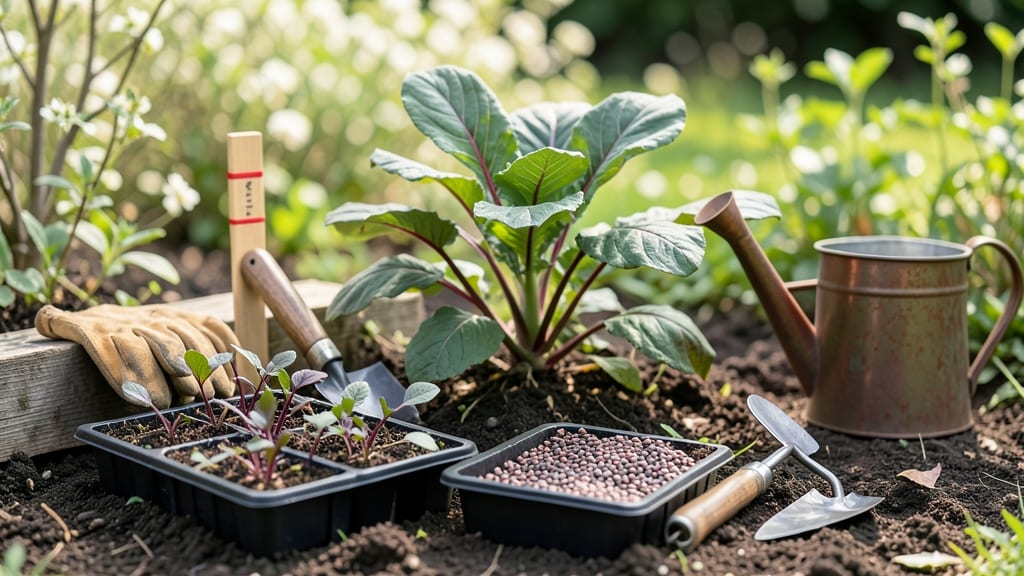
If you’ve ever planted beets in Southern California only to watch them bolt before reaching harvest size, you’re not alone—timing is the key to growing sweet, tender roots in this unique climate.
Southern California’s mild winters and warm springs create a tricky balance for beet growers. Unlike cooler regions, fall and winter are actually the best times to plant beets here, when temperatures stay comfortably cool.
But even then, microclimates like coastal San Diego or inland desert areas can shift your ideal planting window by weeks.
Mastering these planting windows ensures you avoid the dreaded bolting—when beets go to seed too soon. I’ll show you exactly when to start seeds, how to adjust for your specific zone, and even how to stretch your harvest season with succession planting.
Whether you’re a first-time gardener or a seasoned green thumb, these insights will help you grow beets that stay sweet and plentiful—no matter where you are in Southern California’s diverse landscape.
Best months to plant beets in Southern California for zero-bolt success
Southern California’s mild winters and warm springs create a unique challenge for growing beets. Unlike cooler climates, our USDA Zones 9-10 demand precise timing to prevent bolting—when beets flower prematurely instead of forming sweet roots. The key is planting during cooler months when temperatures stay between 50°F and 75°F.
Beets thrive in fall and winter, but even our mild coastal areas like San Diego can get too warm in late spring. For inland regions like Los Angeles, summer heat is a bigger threat.
By focusing on September through March, you’ll align with nature’s rhythm and avoid the dreaded bolt.
Here’s the golden window for beet planting in Southern California:
| Season | Planting Months | Ideal Soil Temp (°F) | Days to Harvest | Notes |
|---|---|---|---|---|
| Fall | September - October | 60-70°F | 60-75 days | Best for coastal areas; avoid late October if frost risk exists |
| Winter | November - February | 55-65°F | 70-80 days | Inland valleys benefit most; use row covers for light frosts |
| Early Spring | March (Northern CA) / April (Southern CA) | 60-70°F | 60-70 days | High desert areas only; coastal regions risk bolting by May |
For coastal regions like Santa Barbara or San Diego, focus on September through January. These areas stay cooler longer, giving beets time to mature before summer heat arrives.
In inland valleys such as Riverside or Temecula, extend planting into early spring (March), but be prepared to harvest quickly before temperatures rise.
Beets planted in late winter (February) often produce the largest roots because they grow during the coolest months when soil moisture is more consistent. However, avoid planting after mid-March in most regions, as rising temperatures trigger bolting within 4-6 weeks.
Pro tip: Succession planting every 2-3 weeks from September through January ensures a continuous harvest. Sow a small batch every few weeks to stagger maturity and avoid overwhelming your garden space.
One common mistake is waiting until spring to plant beets. By then, soil temperatures often exceed 75°F, causing beets to bolt within weeks. Instead, treat fall and winter as your primary seasons and think of spring as a high-risk window for most of Southern California.
If you’re in the desert regions like Palm Springs or Joshua Tree, your timeline shifts slightly. Plant in October-November for winter harvests, then again in February for early spring crops before the heat intensifies.
Remember, soil temperature matters more than air temperature. Use a soil thermometer to confirm conditions are ideal—55°F to 75°F is perfect for germination and growth. If your soil runs warmer, opt for shade-tolerant varieties like ‘Detroit Dark Red’ or ‘Golden.’
With these seasonal guidelines, you’ll skip the frustration of bolting beets and enjoy sweet, tender roots all winter long. The secret? Planting when nature’s rhythm aligns with your garden’s needs—cool soils and mild days are your best friends for beet success.
How to adjust planting times based on Southern California’s microclimates
Southern California’s diverse landscapes—from coastal fog belts to desert valleys—create wildly different growing conditions for beets. What works in cool, misty San Diego fails in sunbaked Palm Springs, and vice versa. Understanding these microclimates lets you fine-tune your planting schedule for zero-bolt success.
Coastal areas like Malibu or Santa Barbara stay 5-10°F cooler than inland spots due to ocean breezes, extending your beet-growing season. Meanwhile, inland desert regions (e.g., Joshua Tree) can see 100°F+ soil temperatures by late spring, making early planting critical.
Even 10 miles inland can shift your ideal window by 2-4 weeks.
| Microclimate | Key Features | Best Planting Window | Soil Temp Threshold (°F) | Variety Recommendation |
|---|---|---|---|---|
| Coastal (San Diego, Santa Barbara) | Cool nights, ocean breezes, low frost risk | September–January | 55–70°F | ‘Detroit Dark Red’ (cold-hardy) |
| Inland Valleys (LA, Riverside) | Warmer days, cooler nights, occasional frost | October–February | 50–65°F | ‘Golden’ (heat-tolerant) |
| Desert (Palm Springs, Joshua Tree) | Hot days, cold nights, rapid temperature swings | October–November & February | 45–60°F (night soil temp) | ‘Chioggia’ (fast-maturing) |
For coastal gardeners, focus on September starts—these beets mature before summer heat arrives. Use row covers in late winter to protect against rare coastal frosts (28°F can damage young plants).
In inland valleys, plant 2 weeks later (early October) to avoid early-season bolting, but harvest by March before soil warms.
Desert growers face the biggest challenges: daytime heat and chilly nights. Plant in October for winter harvests (beets grow slowly in cool desert winters) or February for spring crops before temperatures soar.
Shade cloth (30-50% coverage) during peak sun hours can extend your window by 3-4 weeks.
Another critical factor is frost risk. While coastal areas rarely see frost, inland valleys (e.g., San Fernando Valley) can dip below 32°F in December.
Use lightweight row covers or straw mulch to protect seedlings. For desert regions, nighttime temperatures below 40°F can stunt growth—monitor forecasts and adjust planting dates accordingly.
Pro tip: Test your soil temperature before planting. Coastal soils stay cooler longer, while inland areas heat up faster. Aim for 55–65°F at a 2-inch depth—this is your sweet spot for germination and growth.
If your soil runs warmer, opt for shade-tolerant varieties like ‘Lutèce’ or ‘Boltardy’ (a bolt-resistant hybrid).
Finally, succession plant every 2 weeks in coastal areas and every 3 weeks inland to stretch your harvest. Desert gardeners should limit to 2 plantings per season (fall and spring) to avoid stressing plants with extreme conditions.
With these microclimate tweaks, you’ll grow beets that stay sweet and plentiful—no matter where you garden in Southern California.