
Plants
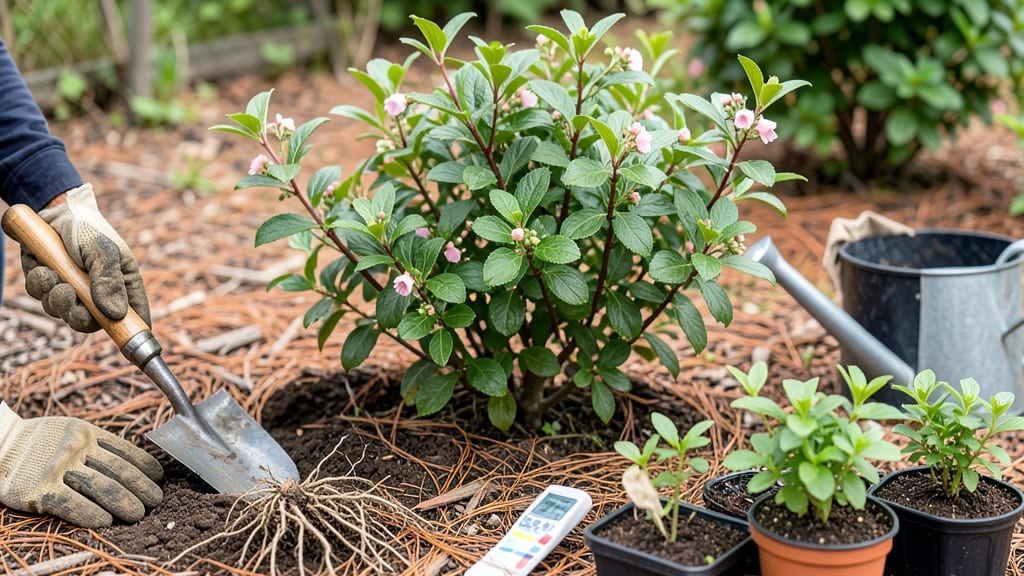
Timing your blueberry 🫐 planting in Indiana isn't just about the calendar—it's about matching varieties to your local chill hours for a bountiful harvest. Plant too early, and frost could damage tender roots; too late, and your bushes might struggle to establish before winter.
The sweet spot? Late April through early May, when soil warms but late frosts have passed.
Indiana’s USDA Zone 6a climate demands careful planning, especially since some blueberry varieties need 600-900 chill hours to fruit properly. Northern highbush types like 'Bluecrop' thrive here, while southern highbush varieties (like 'Misty') may need microclimate protection.
I’ll break down how to choose the right type for your yard and avoid common pitfalls.
Beyond timing, soil prep is the most critical step—blueberries refuse to grow in alkaline soil. We’ll cover how to acidify your Indiana garden naturally, plus when to fertilize for maximum growth. Skip this, and you’ll end up with stunted bushes or no berries at all.
Ready to grow your own sweet 🫐 harvest? I’ll walk you through the exact steps—from bare-root planting to container setups—and how to protect your investment against Indiana’s unpredictable spring weather. Let’s get those bushes thriving!
Best planting times for blueberries in Indiana by chill-hour requirements
Indiana’s climate—with its USDA zones 5-6 and unpredictable frost patterns—requires careful timing when planting blueberries. The key is matching your chill-hour needs (the number of hours below 45°F needed to set fruit) with Indiana’s 500-1,000 chill hours annually. Most blueberry varieties thrive in this range, but timing matters.
For northern highbush varieties (like ‘Bluecrop’ or ‘Jersey’), aim for late April to early May after the last frost date (typically around April 15). These varieties need 600-800 chill hours, making them perfect for Indiana’s climate.
Fall planting is also possible but riskier due to early frost threats.
Southern highbush varieties (e.g., ‘Duke’ or ‘Premier’) require 300-500 chill hours and can be planted slightly later—May to early June—but they’re less cold-hardy and may struggle in Indiana’s winters. Always check the specific variety’s chill-hour rating before planting.
Rabbiteye varieties (like ‘Tifblue’) need 500-700 chill hours and are less common in Indiana but can work in southern Indiana (zones 6-7). Their planting window aligns with northern highbush varieties, but they’re more sensitive to late spring frosts.
| Variety Type | Chill-Hour Needs | Best Planting Window | Indiana Suitability |
|---|---|---|---|
| Northern Highbush | 600-800 hours | Late April–Early May | ✅ Best for zones 5-6 |
| Southern Highbush | 300-500 hours | May–Early June | ⚠️ Risk of winter dieback |
| Rabbiteye | 500-700 hours | Late April–Early May | ✅ Works in southern IN (zones 6-7) |
When planting in spring, focus on bare-root plants available at local nurseries. These establish roots quickly before summer heat sets in. For container-grown blueberries, plant anytime the soil isn’t frozen, but spring is still ideal to avoid winter stress.
Fall planting is trickier in Indiana due to early frost risks. If you choose fall, plant 6-8 weeks before the first frost (typically by September 15 in northern Indiana).
This gives roots time to establish before winter. Avoid planting in late fall, as young roots won’t harden off in time.
Always monitor your local frost-free dates using resources like the Indiana State Climate Office. In northern Indiana (zones 5), frost can linger until May 10, while southern Indiana (zones 6-7) may see last frosts by April 20. Adjust your planting timeline accordingly.
Pro tip: Use row covers or mulch to protect young plants if late frosts threaten. Blueberries are sensitive to frost damage, especially during blooming (April–May). A light frost can reduce your harvest by up to 50% if flowers are damaged.
After planting, prioritize soil moisture for the first 30 days to encourage root growth. Water deeply 2-3 times per week unless rain provides adequate moisture. Mulch with pine needles or wood chips to retain moisture and acidify the soil naturally.
How to prepare Indiana soil and site for blueberry planting success
Blueberries are fussy about soil, and Indiana’s naturally alkaline soil (pH 6.5–7.5) is their worst enemy. Without proper prep, your bushes will yellow, wilt, and produce no fruit. The secret?
Creating an acidic microclimate (pH 4.5–5.5) where blueberries thrive. Start by testing your soil’s pH with a home test kit or lab analysis—most Indiana gardens need major adjustments.
If your soil tests above pH 6.0, amend it with peat moss, sulfur, or pine needles. Mix in 2–3 inches of peat moss into the top 12 inches of soil and apply 1–2 pounds of elemental sulfur per 100 sq ft.
Re-test in 3–4 months—blueberries need time to adjust. For faster results, use acidifying fertilizers like cottonseed meal (apply 5 lbs per 100 sq ft annually).
Drainage is just as critical. Blueberries rot in soggy soil, so avoid low spots where water pools. If your yard has clay-heavy soil, raise beds by 6–12 inches and fill with a mix of 50% peat moss, 30% compost, and 20% perlite.
Add coarse sand to improve drainage if needed. A slight slope (1–2%) away from the planting site helps prevent waterlogging.
Sunlight needs are non-negotiable: 6+ hours of full sun daily. In Indiana, this means choosing a south-facing site with no overhead shade from trees. If your yard lacks full sun, consider container growing near a sunny window or patio.
Blueberries in partial shade produce smaller, fewer berries and grow weakly.
Wind protection is often overlooked but vital. Indiana’s spring winds can desiccate young leaves and damage flowers. Plant near a fence, hedge, or building to create a windbreak.
If planting in an open area, use burlap windbreaks or tall grasses for the first 2 growing seasons until bushes establish sturdy canes.
Finally, mulch heavily with pine needles, wood chips, or shredded leaves to retain moisture, suppress weeds, and acidify soil. Apply 3–4 inches of mulch in a 3-foot-wide ring around each bush.
Avoid fresh wood chips (they rob nitrogen)—opt for aged or composted mulch instead. Replenish mulch annually to maintain soil acidity.