
Plants
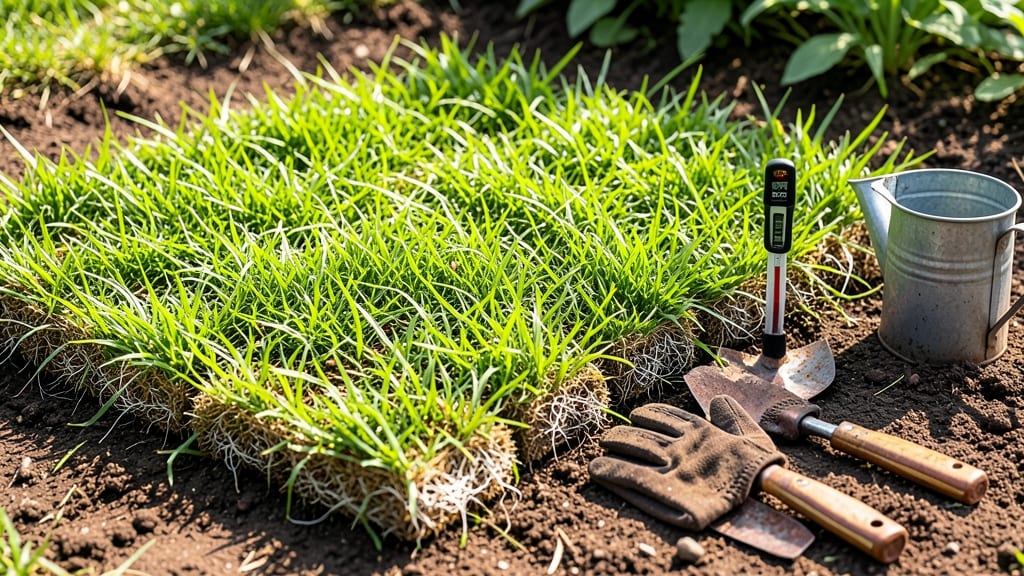
Timing your Bermuda grass planting in California could make or break your lawn—especially when coastal breezes and inland heat act like two completely different worlds. 🌱 Whether you're in frost-free San Diego or the scorching Central Valley, getting the window right means the difference between a vibrant lawn and struggling patches that never quite take off.
Most gardeners assume late spring is the only option, but California’s microclimates actually create two prime planting seasons: late spring (April–June) for inland areas and early fall (September–October) for cooler coastal zones.
I’ll break down exactly when to plant based on your specific region, so you can avoid common mistakes that waste time and money.
You’ll also discover how to prep your soil for success—because even the hardiest grass like Bermuda needs the right conditions to thrive. From soil temperature checks to irrigation strategies that work with California’s water restrictions, I’ve got the actionable steps you need to set your lawn up for long-term health.
Ready to transform your bare spots into a lush, green carpet? Let’s dive into the exact timing and techniques that’ll have your Bermuda grass spreading faster than weeds in a summer storm.
Optimal planting months for Bermuda grass in California’s coastal vs inland regions
California’s diverse climate means one planting window doesn’t fit all. Coastal areas like San Diego and LA enjoy milder winters, while inland regions like Fresno and Palm Springs face extreme summer heat. Bermuda grass thrives when soil temperatures hit 65°F+, but timing varies dramatically by region.
For coastal California (Zones 9b–10a), the best time to plant is late April to early June. The ocean’s moderating effect keeps soil warm earlier, and you avoid the June Gloom that can slow growth.
Inland desert edges like Palm Springs (Zone 10a) can plant as early as March, but wait until April for Central Valley areas like Fresno (Zone 8a) to avoid spring frost risks.
Here’s how California’s microclimates break down for Bermuda grass planting:
| Region | USDA Zone | Optimal Planting Window | Soil Temp Threshold | Key Considerations |
|---|---|---|---|---|
| Coastal (San Diego, LA) | 9b–10a | Late April–Early June | 65°F+ | Humidity slows drying; watch for fungal risks |
| Central Valley (Fresno, Bakersfield) | 8a–9a | April–May | 65°F+ | Hot summers; establish before July heat peaks |
| Inland Desert (Palm Springs, Riverside) | 10a–11 | March–April | 60°F+ (earlier warmth) | Drought-tolerant; water deeply post-planting |
| Cooler Zones (Sacramento, Zone 7b) | 7b–8a | September–October (Fall) | 65°F+ (soil) | Avoid late fall; roots need time to establish |
In cooler inland regions (Zone 7–8), like Sacramento or Chico, fall planting in September–October is ideal.
This gives Bermuda grass time to establish roots before winter dormancy, though it won’t turn green until spring. Never plant in summer—the intense heat will shock young plants, leading to browning or death.
For southern California (Zone 10a+), like San Diego or Palm Springs, March–April is perfect. The soil warms quickly, and you avoid the June–July heatwave that can stress newly planted grass.
If you’re in a high-elevation area (e.g., Lake Tahoe Basin, Zone 6), stick to late May–June to dodge late frosts.
Pro tip: Use a soil thermometer to confirm 65°F+ before planting. Coastal areas may need to wait until early June for soil to reach this threshold, while inland deserts can start as early as March.
Timing is everything—get it right, and you’ll have a thick, green lawn by summer.
Bermuda grass is drought-tolerant once established, but the first 30–45 days are critical. Plant too early, and you risk frost damage or slow growth. Plant too late, and summer heat will stress your new lawn. April–June is your sweet spot for most of California—just adjust for your specific microclimate.
How to prepare your soil and lawn for Bermuda grass planting success
Preparing your soil is the foundation for a thriving Bermuda grass lawn in California. Unlike cool-season grasses, Bermuda thrives in warm, well-draining soil with a slightly acidic to neutral pH (6.0–7.0).
I’ve learned the hard way that skipping this step can lead to slow establishment and weak growth—so let’s get it right from the start.
Start by testing your soil pH and composition at least 4–6 weeks before planting. California’s diverse regions—from sandy coastal soils to heavy clay in the Central Valley—require tailored adjustments. For example, Southern California’s sandy soils drain too quickly, while Northern Valley clays can suffocate roots.
Use a soil test kit (available at garden centers) to check pH and organic matter levels.