
Plants
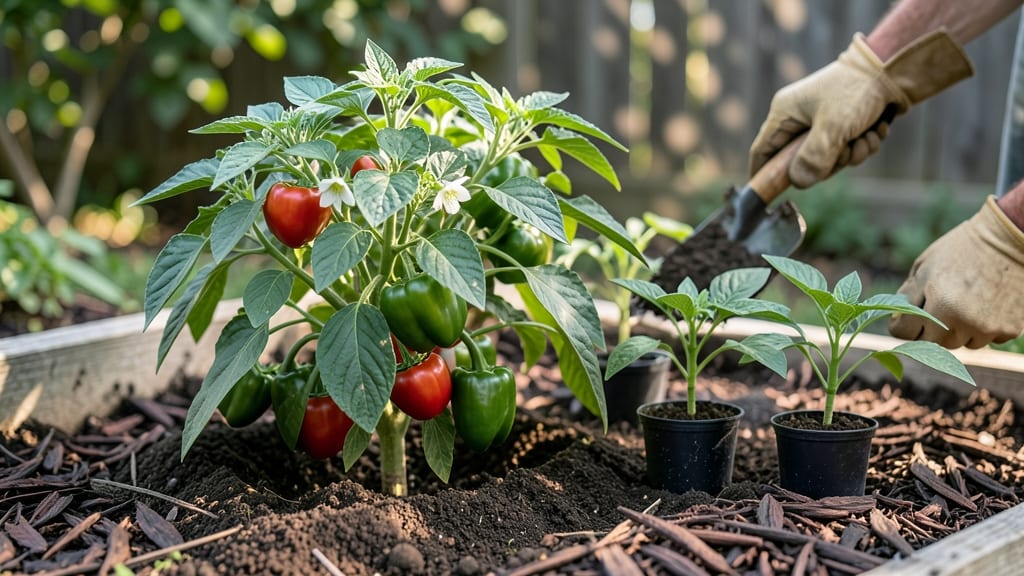
Timing your bell pepper planting in Missouri can mean the difference between a bumper crop of 🌶️ and a sad, wilted garden experiment. The key to success lies in understanding your local climate—where northern Missouri’s cooler springs clash with southern regions’ earlier warm-ups.
Most gardeners in Zone 5b-6a should wait until mid-April to early June after the last frost date (typically around April 15), but soil temperature matters more than the calendar. Peppers need warm earth—at least 60°F—to thrive, which often means waiting until late May in colder areas.
Whether you’re starting seeds indoors 8-10 weeks before or transplanting seedlings, this guide breaks down Missouri’s microclimates so you can plant with confidence. We’ll also cover how to stretch your growing season for fall harvests, because nobody wants their pepper dreams ending by Labor Day.
Ready to avoid frost bites and maximize your pepper patch? Let’s dive into the exact planting schedule that’ll have your garden producing sweet, juicy peppers from July through October—no guesswork required.
Missouri bell pepper planting dates by last frost timeline
Missouri’s last frost date varies dramatically—from late April in St. Louis to early May in rural areas. Bell peppers (Capsicum annuum) need warm soil (60°F+) and consistent heat to thrive, making timing critical.
Plant too early, and frost will kill seedlings; too late, and your harvest shrinks. Let’s break down the exact planting windows for Missouri’s microclimates.
For St. Louis (Zone 6a), aim for April 20–May 10 for direct sowing, while Kansas City (Zone 5b) gardeners should wait until May 1–15.
Rural areas like Southeast Missouri can start slightly earlier (April 15–25), but always confirm your local frost-free date using the Missouri State Climatologist’s tools.
Soil temperature is more critical than air temperature. Use a soil thermometer to confirm 60°F+ at 4-inch depth before planting. Cold soil stunts growth, even if air temps feel warm. If your soil isn’t ready, start seeds indoors 8–10 weeks before the last frost—typically by March 1–15—and transplant hardened-off seedlings after May 1.
Missouri’s unpredictable spring means you’ll need backup plans. Use row covers or cold frames to protect seedlings if nighttime temps dip below 50°F. For late springs, opt for fast-maturing varieties (like ‘Early Cal Wonder’, which matures in 60 days) to maximize harvest time.
Missouri’s frost-free window averages 165 days, but early autumn frosts can cut harvests short. Plan for July–October harvests by choosing heat-tolerant varieties and using season-extending techniques like black plastic mulch to warm soil and low tunnels to delay frost.
🌱
🌱 Missouri Bell Pepper Planting Timeline by Region
| Region | Last Frost Date | Ideal Planting Window | Soil Temp Requirement | Backup Plan |
|---|---|---|---|---|
| St. Louis (Zone 6a) | April 15–25 | April 20–May 10 | 60°F+ at 4" | Row covers for late frosts |
| Kansas City (Zone 5b) | May 1–10 | May 1–15 | 60°F+ at 4" | Start indoors March 1 |
| Southeast MO (Zone 6b) | April 10–20 | April 15–25 | 60°F+ at 4" | Black plastic mulch |
| Northeast MO (Zone 5a) | May 5–15 | May 10–20 | 65°F+ at 4" | Cold frame for seedlings |
💡 Pro Tip: Test soil temp for 3 days in a row—morning, noon, and evening—to confirm consistency.
If you’re planting transplants from nurseries, wait until mid-May to avoid transplant shock from cool soil. Harden off seedlings for 7–10 days before moving them outdoors, and plant in well-draining, compost-amended soil to prevent rot.
A pH of 6.0–6.8 is ideal for bell peppers, so test your soil and amend with lime or sulfur if needed.
Missouri’s summer heat can be intense, but bell peppers need consistent warmth. After planting, mulch with straw or shredded leaves to retain moisture and regulate soil temperature. Avoid organic mulches like grass clippings, which can mat down and block airflow, increasing disease risk.
For late-season planting, try a second crop in June using fast-maturing varieties. Choose ‘Jupiter’ or ‘Carolina Wonder’, which tolerate heat better than standard types. Pair this with drip irrigation to keep plants hydrated during Missouri’s dry spells, especially in July and August.
🌿
Remember: Missouri’s first frost typically hits October 15, but early frosts can occur as soon as September 20 in northern areas. Monitor 10-day forecasts and use row covers
Missouri bell pepper planting dates by last frost timeline
Missouri’s last frost dates vary wildly—from early April in southern regions like St. Louis to late May in northern areas near Kansas City. But don’t just rely on the calendar: your bell peppers need soil temperatures above 60°F to germinate properly.
In most of the state, this means waiting until mid-May to early June for outdoor planting.
If you’re eager to start early, begin seeds indoors 8-10 weeks before your last frost date. Use grow lights or a sunny windowsill to give seedlings a head start.
Missouri’s Zone 5b-6a climate means you’ll need to harden off seedlings carefully before transplanting—especially if you’re in a cooler microclimate like Columbia or Springfield.
Here’s how Missouri’s regions stack up for bell pepper planting:
| Region | Last Frost Date | Ideal Planting Window | Soil Temp Requirement | Pro Tip |
|---|---|---|---|---|
| Southern MO (St. Louis) | April 15 | Late April - Mid-May | 60°F+ | Use row covers for early starts |
| Central MO (Columbia) | April 25 | Early May - Late May | 60°F+ | Start seeds indoors March 15 |
| Northern MO (Kansas City) | May 10 | Late May - Early June | 65°F+ | Use black plastic mulch to warm soil |
For gardeners in northern Missouri, where frosts can linger into May, consider using cold frames or row covers to extend your planting window. These tools can add 2-4 weeks of growing time by protecting young plants from late frosts. Just
If you miss the ideal window, don’t panic! You can still plant transplants in June, though they may produce fewer peppers. Choose compact varieties like ‘Jupiter’ or ‘Aristotle’ for better success in shorter seasons. Just be prepared to harvest earlier—before the first frost hits around mid-October.
Pro tip: Test your soil temperature with a soil thermometer before planting. If it’s below 60°F, wait another week—your peppers will thank you with stronger growth and more abundant harvests. Patience now means more 🌶️ later!