
Plants
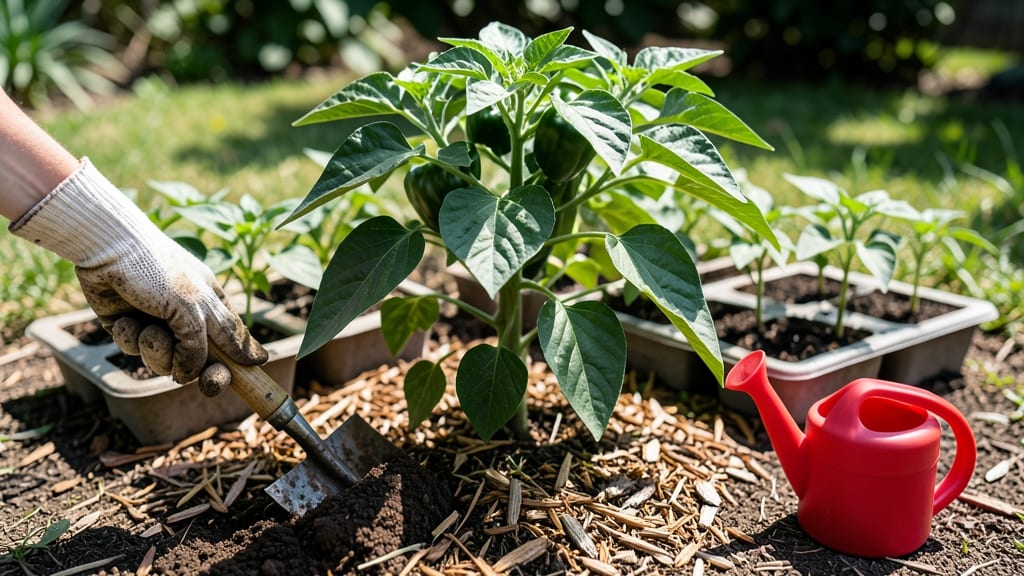
Timing your bell pepper planting in Arizona isn't just about following a calendar—it's about outsmarting the desert's extreme heat and unpredictable frost risks.
With 300+ frost-free days in USDA Zone 9b, you actually have two prime windows to grow these 🌶️ powerhouses, but getting it wrong means wilting plants or wasted effort.
Most gardeners make the mistake of planting too early, only to watch their seedlings suffer when temperatures spike above 75°F. The secret? Start seeds indoors by late January for transplanting in early March, or go straight to direct sowing in February-April when soil hits that sweet 60°F minimum.
This gives your peppers a fighting chance against Arizona's infamous summer heatwaves.
But here's what I've learned after years of desert gardening: the real game-changer is heat management. We're talking shade cloth at 100°F+, mulching to lock in moisture, and choosing varieties that can handle the punishment.
Let me show you exactly how to turn Arizona's brutal climate into your bell pepper growing advantage.
Whether you're a first-time gardener or a seasoned pro, you'll discover the precise planting schedule that works for Phoenix, Tucson, and Yuma—plus the 3 biggest mistakes that kill desert pepper plants before they even get started. Ready to grow peppers that actually thrive in the heat?
Arizona bell pepper planting calendar: frost-free start dates by region
Arizona’s bell peppers thrive in the desert’s long growing season, but timing is everything. Unlike northern climates, we don’t have to worry about late frosts—except in the high desert—but we DO face 110°F+ heat that can scorch young plants.
The key is planting when soil temperatures hit 60°F+ and air temps stay above 45°F at night. Here’s your region-specific roadmap to zero-frost success.
Phoenix gardeners have the longest season, while Tucson’s high desert areas need extra caution. Yuma’s extreme heat means summer planting is risky unless you use heat management tricks.
Below, I’ve broken down the optimal planting windows for each region, including transplant dates and direct-sowing times for continuous harvests from spring to fall.
| Region | Transplant Window | Direct Sow Window | Soil Temp Threshold | Heat Risk Level |
|---|---|---|---|---|
| Phoenix (Low Desert) | Late Jan–Early Mar | Feb–Apr | 60°F+ | Moderate (May–Oct) |
| Tucson (High Desert) | Feb–Early Apr | Mar–May | 55°F+ | High (June–Sept) |
| Yuma (Extreme Heat) | Feb–Mar (transplant only) | N/A (too hot) | 65°F+ | Extreme (Apr–Oct) |
| Flagstaff (High Elevation) | Apr–May | May–June | 50°F+ | Low (July–Aug) |
For Phoenix gardeners, I recommend starting seeds indoors in late January for transplants by early March. Direct-sow in February if you’re using heat-tolerant varieties like ‘NuMex Sandia’.
In Tucson, wait until March to avoid frost risk in the high desert, while Yuma’s extreme heat makes summer planting nearly impossible without shade cloth.
If you want year-round harvests, plan for two planting cycles: one in spring (March–April) and another in late summer (August–September) for fall crops. The fall transplant window extends until mid-October in Phoenix, giving peppers time to mature before winter chill sets in.
One mistake I see often is planting too early in cooler microclimates like Flagstaff. Wait until after May 1 there—soil stays cold until then, and young plants will rot.
Use a soil thermometer to confirm 60°F+ before planting; Arizona’s desert soil heats up fast, but it also cools quickly at night.
For continuous production, stagger plantings every 2–3 weeks during your region’s ideal window. This ensures a steady supply of peppers instead of a single massive harvest.
Pair this with succession planting in containers or raised beds for flexibility—containers warm up faster in spring and can be moved to shade during summer heat spikes.
Remember: bell peppers hate cold feet. Even in Arizona, a single night below 45°F can stunt growth. Use row covers or cloches for early transplants in Tucson and Flagstaff. And if you’re in Yuma, prioritize shade cloth (30–50%) during peak afternoon heat to prevent sunscald on young leaves.
Finally, don’t overlook fall planting. In Phoenix, you can direct-sow until early October for peppers to mature before winter. The key is choosing fast-maturing varieties (60–70 days) like ‘Sweet Banana’ or ‘California Wonder’ to beat the chill.
With this calendar, you’ll avoid the two biggest Arizona pitfalls: frost damage and heat stress. Next, we’ll dive into heat management hacks to keep your peppers thriving past 100°F—because
How to extend Arizona’s bell pepper growing season: heat management hacks
Arizona’s 110°F+ summers can turn your bell pepper plants into crispy snacks if you’re not careful. But here’s the good news: with the right strategies, you can grow peppers year-round in the desert.
The key is managing heat stress, which starts with shade cloth and mulching to keep roots cool while still giving your plants enough sunlight to thrive.
I’ve grown bell peppers in Phoenix for years, and the difference between a thriving plant and a wilted mess comes down to two things: soil temperature and airflow. Even heat-tolerant varieties like ‘NuMex Sandia’ need protection when temps climb above 95°F.
Let’s break down the proven tactics that keep my plants happy and productive in the desert heat.
🌶️
Use black plastic mulch to raise soil temps
Lay down mulch 2-3 weeks before planting to warm soil to 60°F+. This jumpstarts growth and prevents transplant shock when temps spike.
Deploy shade cloth at 30-50% when temps hit 100°F
Install 30% shade cloth in June-July to block 20-30% of sunlight. Switch to 50% cloth during heatwaves. Remove by late August to restore full sun for fall harvests.
Water deeply in early morning (1-2 gallons)
Avoid wetting leaves to prevent fungal diseases. Use drip irrigation set to run for 30-45 minutes daily during peak heat. Mulch with straw to retain moisture.
Choose heat-tolerant varieties like ‘Big Beef’ or ‘Aristotle’
These varieties handle 95°F+ temps better than standard types. ‘NuMex Sandia’ is my top pick—it produces year-round in Tucson with minimal stress.
Transplant fall crops in September for winter harvests
Start seeds indoors in July-August and transplant after Labor Day. With row covers, you can extend harvests until December in protected microclimates.
One mistake I see often? Gardeners wait until May to plant, only to watch their peppers bolt (flower prematurely) in the heat. The solution? Start your first transplanting window in early March when soil temps stabilize, then follow up with a second planting in late August for fall harvests.
Pro tip: If you’re in Yuma or Tucson, you can even grow peppers in winter using low tunnels or cold frames. Just protect them from freeze events (rare but possible) with row covers rated for 20°F.
With these strategies, you’ll have fresh peppers from March through November—no greenhouse needed!
☀️