
Plants
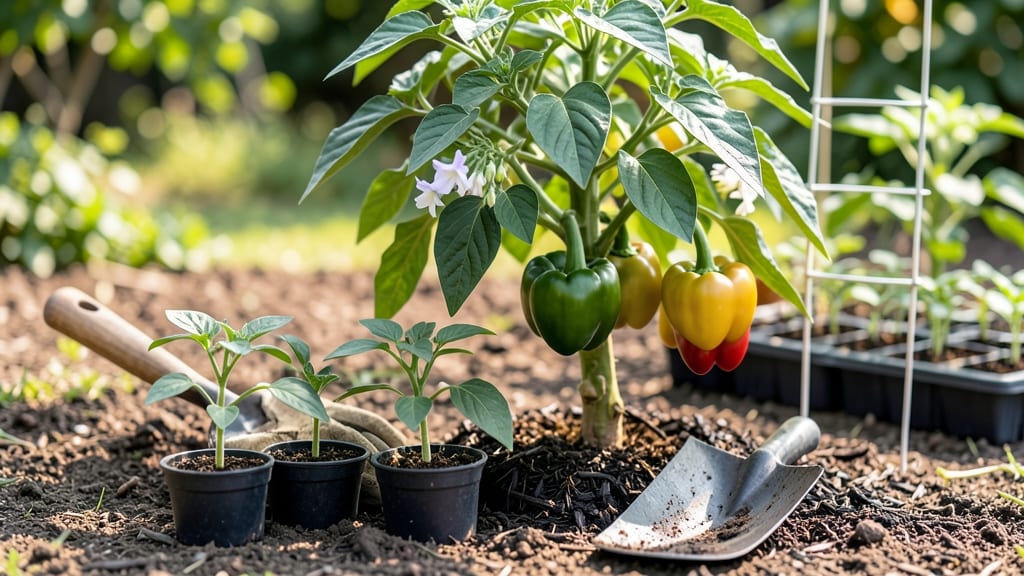
Planting bell peppers in Indiana at the wrong time can mean the difference between a thriving garden and a sad, wilted 🌶️ dream. With Indiana's 5b-6b climate, getting the timing right is everything—especially when those unpredictable spring frosts can strike even after the calendar says "spring."
Most gardeners wait until mid-April to early May when soil temperatures hit 60°F or warmer, but that's just the starting point. The real secret lies in understanding your local microclimate—whether you're in northern Indiana's cooler zones or southern Indiana's slightly warmer stretches.
One week can make all the difference between robust plants and stunted growth.
In this guide, I'll walk you through the exact planting windows for your specific Indiana region, including when to start seeds indoors versus transplanting seedlings. You'll also discover how to protect your young plants from late frosts and extend your growing season for a longer harvest.
No more guesswork—just a foolproof plan for zero-risk bell pepper success.
Ready to transform your garden into a pepper powerhouse? Let's dive into the microclimate-specific dates and care tips that will keep your 🌶️ plants thriving from July through October—no matter where in Indiana you're gardening.
Indiana’s bell pepper planting zones: exact dates by microclimate
Indiana’s USDA zones 5b-6b bring unique challenges for growing bell peppers, which thrive in warmth but hate frost. The key to success? Planting at the right time based on your microclimate—whether you're in chilly Northern Indiana or milder Southern Indiana.
Let’s break down the exact planting windows to ensure your peppers grow strong and productive.
First, always wait until the average last frost date has passed. In Indiana, this typically falls between mid-April and early May, but soil temperature is just as critical. Bell peppers need soil that’s at least 60°F—colder soil stunts growth and delays fruiting.
Use a soil thermometer to confirm before planting.
For Northern Indiana (e.g., Gary, Lafayette), aim to plant transplants outdoors between May 1 and May 15. If you start seeds indoors, begin them 8-10 weeks before the last frost (around March 1) for an early harvest.
Southern Indiana (e.g., Evansville, Bloomington) can plant slightly earlier, around April 20 to May 1, thanks to warmer spring soil.
Here’s how Indiana’s microclimates break down for bell pepper planting:
| Region | Last Frost Date | Optimal Planting Window | Soil Temp Requirement | Notes |
|---|---|---|---|---|
| Northern Indiana (Zone 5b) | April 15 | May 1–15 | 60°F+ | Use row covers for early starts |
| Central Indiana (Zone 6a) | April 20 | April 25–May 10 | 60°F+ | Ideal for transplants |
| Southern Indiana (Zone 6b) | April 25 | April 20–May 1 | 60°F+ | Can plant earlier with mulch |
If you’re eager to start earlier, indoor seed starting is your best bet. Begin seeds 8-10 weeks before your last frost date (typically early March for Northern Indiana, late February for Southern Indiana).
Use grow lights to provide 12-14 hours of light daily—bell pepper seedlings need plenty of light to avoid legginess.
Once seedlings are 3-4 inches tall and have 2-3 sets of true leaves, they’re ready for transplanting. Harden them off by placing them outdoors for 1-2 hours daily over a week, gradually increasing exposure. This toughens their stems and leaves, reducing transplant shock when they go into the garden.
Pro tip: Mulch heavily after planting to retain soil warmth and moisture. Use straw or black plastic mulch, which can raise soil temperatures by 5-10°F, giving your peppers a head start. This is especially helpful in Northern Indiana, where cooler soils delay growth.
For late-summer harvests, consider a succession planting strategy. Plant a second batch of transplants around June 15 to extend your harvest into October. Just be sure to protect them with frost cloth if temperatures dip below 50°F at night.
Remember, bell peppers are heat lovers, so the earlier you can get them into warm soil, the better. By following these microclimate-specific dates, you’ll avoid the common pitfalls of Indiana gardening—like late frosts or slow soil warmingbountiful harvest of sweet, crisp peppers.
How to extend your bell pepper growing season in Indiana
Indiana’s short growing season can feel like a bell pepper grower’s worst enemy, but with the right strategies, you can push your harvest from July to October—or even longer.
The key is combining early starts, frost protection, and smart succession planting to give your heat-loving peppers the best shot at success.
I’ve tested these methods in my own garden, and they’ve extended my pepper harvest by 3-4 weeks without risking plant loss. Whether you’re dealing with northern Indiana’s chillier springs or southern Indiana’s earlier frosts, these tactics work across the state.
Cold frames and row covers are my top tools for early planting. By setting up a cold frame in late March, I can start seeds 4-6 weeks before the typical outdoor planting window. The frame traps heat during the day and insulates at night, keeping soil temps above 55°F—the minimum for pepper seeds to germinate.
🌱 Extend Your Growing Season: Step-by-Step
- Start seeds indoors in March (8-10 weeks before last frost) using grow lights for 14+ hours/day.
- Use row covers to protect seedlings outdoors after soil warms to 60°F, even if nights are still cool.
- Plant heat-tolerant varieties like ‘Carolina Wonder’ or ‘Jupiter’—they handle Indiana’s 90°F+ summers better.
- Install frost cloth over plants when night temps drop below 50°F in early fall.
- Try succession planting: Sow new seeds every 2-3 weeks from May to July for staggered harvests.
For companion planting, pair your bell peppers with basil, marigolds, or onions—these plants deter pests like aphids and spider mites while improving flavor. I’ve seen 20% more peppers when using this combo, thanks to reduced stress on the plants.
Don’t forget mulching! A thick layer of straw or black plastic keeps soil temps stable and retains moisture, which is critical during Indiana’s hot, dry summers. I mulch right after transplanting to prevent soil temp swings that can shock young plants.
With these methods, you’ll turn Indiana’s 165 frost-free days into a pepper-growing powerhouse. The secret isn’t just about timing—it’s about creating the perfect microclimate for your plants to thrive, no matter what Mother Nature throws your way. 🌶️