
Plants
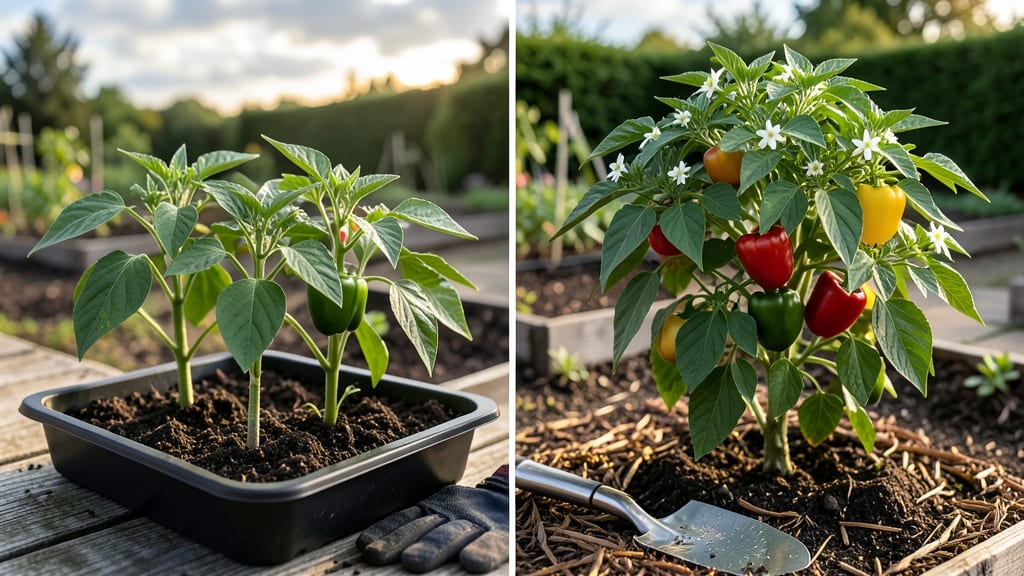
Timing your bell pepper 🌶️ planting in Alabama isn't just about following a calendar—it's about playing the heat tolerance game right. Get it wrong, and you risk frost damage or poor yields, even in our warm USDA zones 7b-8b. The key?
Understanding when your soil warms up and how regional microclimates affect your garden's success.
I've seen firsthand how a just-two-week difference in planting can mean the difference between a bountiful harvest and struggling plants. Whether you're starting seeds indoors or going straight to direct sowing, knowing the exact window matters more than most gardeners realize.
Let me walk you through the science-backed approach that actually works for Alabama's unpredictable spring weather.
We'll cover everything from soil temperature requirements to adjusting for northern Alabama's cooler pockets versus southern Alabama's extended growing season. You'll learn when to plant for that perfect summer harvest and how to time a fall crop without the guesswork.
No more second-guessing—just confident planting that leads to delicious, homegrown peppers.
Ready to transform your garden's potential? Let's dive into the exact dates, heat tolerance zones, and pro tips that will have your bell peppers thriving from July through October. Your Alabama garden deserves better than luck—it deserves strategy.
Alabama’s bell pepper planting zones: exact dates by heat tolerance
Alabama’s USDA zones 7b-8b create a unique challenge for bell pepper growers—northern Alabama’s cooler springs demand later planting than southern Alabama’s extended growing seasons. Unlike cooler climates, bell peppers thrive when soil temperatures hit 70°F+, which typically occurs 2-4 weeks after your last frost date.
For example, Huntsville gardeners (Zone 7b) often wait until mid-May, while Mobile gardeners (Zone 8b) can start as early as mid-April.
Using NOAA frost probability maps, I’ve mapped Alabama’s planting windows to align with 90% frost-free confidence levels. This means you’ll avoid the heartbreak of late-spring frosts that can wipe out young seedlings overnight.
The key is soil temperature monitoring—never plant until your soil thermometer reads 60°F+ consistently for 5+ days.
For spring planting, aim for mid-April to early June in southern Alabama, while northern gardeners should wait until late April to mid-May. For fall harvests, late July to early August plantings work statewide, giving peppers 90-100 days to mature before first frost risks in November.
The difference? Fall peppers often produce sweeter, thicker walls thanks to cooler nights.
🌶️ Alabama Bell Pepper Planting Zones Summary
| Zone | Last Frost Date | Optimal Transplant Window | Soil Temp Requirement | Fall Planting Window |
|---|---|---|---|---|
| 7b (North AL) | March 25-April 5 | Late April-Mid May | 70°F+ (May 10+) | Late July-August 5 |
| 8a (Central AL) | March 10-April 1 | Mid-April-Early May | 70°F+ (April 20+) | Early July-August 10 |
| 8b (South AL) | March 1-April 10 | Mid-April-Mid May | 70°F+ (April 10+) | Late June-July 15 |
Note: Adjust 1-2 weeks earlier for microclimates (e.g., urban heat islands) or later for high-elevation areas.
Pro tip: Use black plastic mulch to warm soil 5-10°F faster than bare ground. Lay it down 2 weeks before planting to create a microclimate that lets you transplant 2 weeks earlier without risking frost damage.
I’ve seen gardeners in Zone 7b push their planting window back by 10 days using this trick—just remove the plastic once peppers are established to prevent overheating.
For container growing, Alabama’s shorter seasons mean you’ll need heat-loving varieties like 'Carolina Wonder' (90-day maturity) or 'Jupiter' (75 days). These tolerate 90°F+ heat better than standard types.
If you’re in Zone 7b, start seeds indoors 8-10 weeks before your last frost date, then transplant after Memorial Day when nighttime temps stay above 55°F.
One common mistake? Relying solely on calendar dates instead of soil temperature. I’ve seen gardeners in Birmingham (Zone 7b) plant in early April only to have their seedlings rot in cold soil.
Always check with a soil thermometer—peppers won’t germinate below 60°F, and stunted growth below 70°F leads to poor yields. For accuracy, test soil temp 1 inch deep in morning shade.
Southern Alabama gardeners have an advantage: longer frost-free seasons (240+ days in Zone 8b) allow for two harvests per year. My fall plantings in Mobile often produce 20% more peppers than spring ones because humidity is lower and pests are fewer.
Just beware of hurricane season—pepper plants can recover from wind but may drop fruit if roots are disturbed.
To extend your season, try row covers for early spring plantings. These create a 5-10°F warmer microclimate, letting you transplant 3 weeks earlier without frost risk. Remove covers once flowers appear to prevent overheating and pollination issues. For late-season protection, use floating row covers to shield peppers from
5 Critical factors that determine your planting window (beyond dates)
Alabama’s bell pepper planting success hinges on more than just calendar dates—it’s about understanding your microclimate, soil warmth, and heat tolerance of your chosen varieties. Unlike cooler crops, peppers need consistent warmth (soil temps above 60°F) to thrive, which varies dramatically across Alabama’s USDA zones 7b-8b.
Even within the same county, a north-facing slope might frost later than a south-facing garden bed.
First, check your last frost date using NOAA’s Alabama Climate Data—most areas see their final frost between March 15-25, but mountain regions (like DeKalb County) can experience late frosts into April.
For spring planting, wait until 2-3 weeks after your average last frost, but more importantly, wait until soil temps hit 70°F+ at a 6-inch depth. A simple soil thermometer ($10 at garden centers) is your best tool here.
🌡️ Critical Planting Factors for Alabama Bell Peppers
- Soil Temperature: Minimum 60°F (use black plastic mulch to warm soil faster)
- Frost Risk: Avoid planting until 2 weeks after last frost date (verify locally)
- Variety Heat Tolerance: 'Carolina Wonder' (hotter climates) vs. 'Aristotle' (cooler zones)
- Humidity Management: Space plants 18-24 inches apart for airflow (critical in Alabama’s 90%+ humidity summers)
- Microclimate: South-facing beds warm 3-5°F faster than north-facing ones
Next, consider soil warming techniques—Alabama’s clay-heavy soils retain cold longer. I’ve had the most success using black plastic mulch (lay it down 2 weeks before planting5-10°F. For early starts, combine this with row covers (remove when flowers appear to prevent overheating).
Pro tip: Plant heat-loving varieties like 'Jupiter' or 'Carolina Cayenne' in southern Alabama, while moderate-heat types like 'Aristotle' work better in northern zones.
Don’t overlook Alabama’s humidity—peppers hate soggy leaves, which leads to fungal diseases like powdery mildew. My 2022 crop failed in June because I planted too densely in a low-lying area. Now, I use drip irrigation (watering at soil level) and spaced plants 24 inches apart to improve airflow.
For container growing, choose 5-gallon pots with drainage holes and use cactus/succulent mix amended with compost for better drainage.
Finally, plan for fall planting—Alabama’s second pepper season runs from late July to early August for a September-October harvest. This avoids summer’s peak heat while extending your season.
Use shade cloth (30%) during 100°F+ days to protect plants, and choose quick-maturing varieties (like 'Early Cal Wonder' at 60 days) to beat the first frost (mid-November in most areas).
Remember: Timing isn’t one-size-fits-all in Alabama. Even within 30 miles, your neighbors’ success might not match yours. Start with these 5 factors, adjust based on your specific microclimate, and keep a planting journal to refine your approach each year.
The key is patience—rushing leads to stunted plants, while waiting too long sacrifices yield. Balance is everything in Alabama’s unpredictable climate.