
Plants
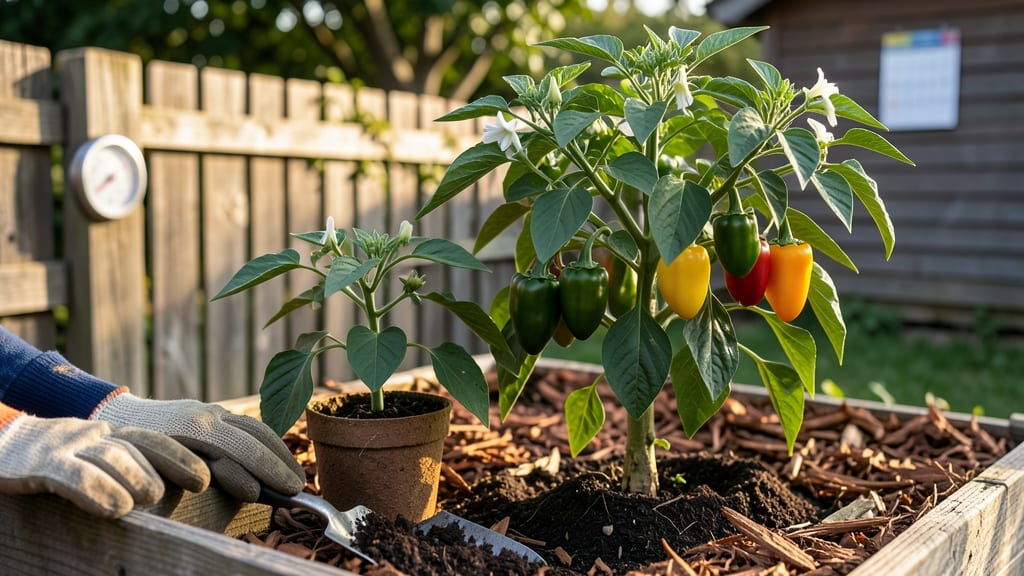
Planting your 🌶️ bell peppers at the wrong time in Arkansas can turn your dream harvest into a sad, wilted disappointment—especially when microclimates in Zones 7a-8a play tricks on the calendar.
Whether you're a first-time gardener or a seasoned green thumb, getting the timing right is the key to avoiding frost damage and maximizing your yield.
Arkansas’s unpredictable spring weather makes this even trickier, but with the right strategy, you can enjoy fresh peppers from July through October—or even extend your harvest into November with a fall planting.
I’ll walk you through the exact planting windows for both spring and fall crops, including how to adjust for Arkansas’s last frost dates (which can vary wildly from Little Rock to the Ozark foothills) and soil temperature thresholds.
You’ll also discover which fast-maturing varieties thrive in our short growing season—and how to give your peppers the best shot at success.
Ready to turn your garden into a pepper powerhouse? Let’s dive into the most important dates and tips to ensure your 🌶️ bell peppers grow strong, healthy, and ready for harvest.
Optimal Arkansas bell pepper planting dates by hardiness Zone (7a vs 8b)
Arkansas gardeners face unique challenges when planting bell peppers 🌶️ due to the state's diverse microclimates within USDA Zones 7a-8b. The key to success lies in understanding your specific last frost date—typically between late February and early April—and soil temperatures that must reach at least 60°F before planting.
In Zone 7a, where winters are colder, you'll need to adjust your timing compared to the warmer Zone 8b.
For most Arkansas gardeners, the ideal planting window spans from mid-April to early June for spring crops, with a second chance in late July to early August for fall harvests.
However, these dates shift slightly depending on whether you're transplanting seedlings or direct-sowing seeds. Let's break down the optimal timing for each method in both zones.
📌 MANDATORY VISUAL ELEMENT:
| Factor | USDA Zone 7a | USDA Zone 8b |
|---|---|---|
| Last Frost Date | Late March - Early April | Mid-February - Late March |
| Soil Temperature Threshold | 60°F+ (mid-April) | 60°F+ (early March) |
| Transplant Seedlings Window | May 1 - June 1 | April 15 - May 15 |
| Direct Sow Window | May 15 - June 15 | April 30 - June 1 |
| Fall Planting Window | July 15 - August 1 | July 1 - July 15 |
| Estimated Harvest Time | July - October | June - November |
If you're starting bell pepper seedlings indoors, begin them 8-10 weeks before your last frost date. For Zone 7a gardeners, this means sowing seeds indoors around mid-February to early March, while Zone 8b gardeners can start slightly later, around late January to mid-February.
This head start gives seedlings time to develop strong roots before transplanting outdoors.
For direct sowing, Arkansas gardeners should wait until soil temperatures consistently reach 60°F or above. In Zone 7a, this typically occurs around mid-May, while Zone 8b gardeners can start as early as late April.
Direct sowing is less common for bell peppers but can be successful if you're planting fast-maturing varieties or in areas with long, hot summers.
One of my biggest tips for Arkansas gardeners is to use black plastic mulch to warm the soil faster and extend the planting season. This is especially helpful in Zone 7a, where cooler soils can delay planting by 2-3 weeks.
Simply lay down black plastic a few weeks before planting to raise soil temperatures and suppress weeds.
Don't forget about fall planting for a second harvest! In Arkansas, you can plant bell peppers for a fall crop between mid-July and early August.
This gives them time to mature before the first frost, which typically arrives in mid-November in Zone 7a and early November in Zone 8b. Fall-planted peppers often produce sweeter fruit due to cooler temperatures.
For gardeners in Zone 7a, I recommend focusing on early-maturing varieties (60-70 days to harvest) to ensure a successful crop. In contrast, Zone 8b gardeners have more flexibility and can choose varieties that take up to 90 days to mature.
Always check the days to maturity on seed packets and count backward from your expected first frost date.
Remember, Arkansas' microclimates can create significant variations in planting success. If you're in a valley or urban area, you might experience warmer conditions that allow earlier planting. Conversely,
Microclimate adjustments: how Arkansas’ urban vs. rural Zones affect planting timing
Arkansas’ diverse geography means your bell pepper planting timeline should vary based on whether you’re in the Little Rock heat island, the Arkansas River Valley, or the Ozark foothills.
Urban areas like Little Rock can experience 5–10°F warmer soil temperatures than rural zones, while mountain regions may linger 2–3 weeks longer in frost risk. These microclimates directly impact when to plant—sometimes by 30 days or more.
For urban gardeners (Zones 7b–8a), start transplants 2–3 weeks earlier than rural areas. The pavement effect in cities raises soil temps faster, letting you plant by mid-April in protected spots.
Meanwhile, rural and mountain gardeners (Zones 7a–7b) should wait until late April to early May when soil reaches 60°F consistently. The Ozarks’ cooler nights also demand row covers for early starts.
🌡️ Arkansas Microclimate Planting Adjustments
- 🏙️ Urban (Little Rock, Fayetteville): Plant 2–3 weeks early (mid-April) due to heat islands. Use shade cloth for seedlings if temps exceed 85°F.
- 🌾 River Valley (Fort Smith, Jonesboro): Follow standard dates (late April–early May) but monitor soil temp—sandy soils warm faster.
- 🏔️ Ozark Foothills (Bentonville, Eureka Springs): Delay until late April–May; use black plastic mulch to warm soil 3–5°F faster.
- 🌿 Delta Region (Helena, Marianna): Plant early April if using high tunnels; risk of late frosts persists until mid-March.
- 🌡️ Soil Temp Hack: Bury a soil thermometer 2" deep—wait until it hits 60°F for 5+ days before planting.
If you’re in Zone 7a (northern Arkansas), prioritize fast-maturing varieties like ‘Jupiter’ or ‘Carolina Wonder’—they’ll need every warm day to reach maturity before the first frost (late October–early November).
In Zone 8a, you can push a fall crop by planting in late July, but choose shade-tolerant varieties like ‘Aristotle’ to handle the intense summer sun before harvest.
For container gardeners, urban heat is both a blessing and a curse—pots warm up faster but dry out twice as quickly. Water containers daily in summer and move them to shadier spots by early August to prevent blossom drop.
Rural gardeners, meanwhile, can rely on natural shade from trees or fences to extend the growing season by 2–3 weeks in fall.
Pro Tip: Test your microclimate’s frost risk by planting a frost-sensitive crop (like basil) a week before your target date—if it survives, your peppers are safe to go in. Adjust your schedule based on real-world conditions, not just the calendar 🌱🌡️.