
Plants
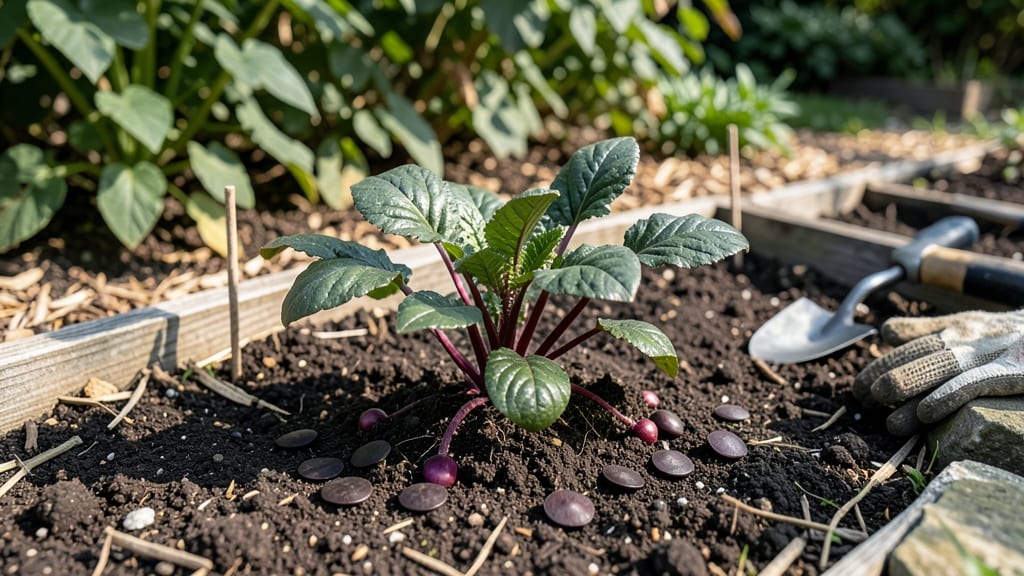
When to plant beets in Zone 7a isn’t just about dates—it’s about catching that sweet spot between frost and scorching heat where 🍠 roots stay tender and delicious. Get it wrong, and you’ll end up with either woody, bitter beets or seedlings that freeze before they even sprout.
Here in Zone 7a, where last frosts linger around March 15 and summer heat kicks in by June, timing is everything. Plant too early, and a late frost will wipe out your seedlings. Too late, and your beets bolt—going to seed before you can harvest those vibrant, earthy roots.
This guide cuts through the guesswork with the exact planting windows for your region, plus soil temperature tricks and variety picks to stretch your harvest from spring to fall.
Whether you’re a first-time gardener or a seasoned grower, these insights will help you avoid common pitfalls and enjoy a steady supply of homegrown beets.
Let’s dive into the frost-free calendar and soil prep secrets that’ll give you the most reliable, flavorful harvest possible—no more wasted seeds or disappointing crops. Ready to plant with confidence?
Zone 7a beet planting calendar: frost dates, soil temps & best months for success
Beets in Zone 7a thrive when planted during two critical windows: early spring and late summer. The key to success lies in soil temperature (45–85°F) and frost-free dates, which determine whether your beets grow sweet or bitter.
In Zone 7a, the average last frost date is around March 15, while the first frost typically arrives by November 15. Missing these windows can lead to frost damage or bolting (premature flowering), so timing is everything.
For spring plantings, start seeds 2–3 weeks before your last frost (around March 1) to ensure germination in 45–55°F soil.
If you plant too early, seedlings may succumb to late frosts, while waiting too long risks heat stress by late May. Fall plantings should begin by August 1 to harvest before winter sets in—any later, and your beets may develop a woody texture before the first frost.
Pro Tip: Use a soil thermometer to confirm temperatures before planting. Beets won’t germinate below 45°F, and soil above 85°F triggers bolting. In Zone 7a, April–May and September–October are your sweet spots for ideal growing conditions.
| Planting Window | Average Last Frost Date (Zone 7a) | Ideal Soil Temp for Germination | Days to Harvest | Key Risks if Planted Outside Window |
|---|---|---|---|---|
| Early Spring (Direct Sow) | March 15–April 15 | 45–55°F | 50–60 days | Frost damage to young seedlings |
| Late Spring (Succession Planting) | April 15–May 15 | 55–70°F | 45–55 days | Bolting risk in heat |
| Early Fall (Direct Sow) | August 1–September 15 | 60–75°F | 40–50 days | Over-maturity before frost |
| Late Fall (Cold-Hardy Varieties) | September 15–October 15 | 50–60°F | 35–45 days | Woody texture if harvested too late |
If you’re unsure about your exact frost dates, check your local USDA Plant Hardiness Zone Map or use a frost calendar for your city. For example, Atlanta, GA (Zone 7a) has a last frost around March 20, while Richmond, VA (Zone 7a) averages April 5.
Adjust your planting dates accordingly to avoid frost-related losses. Always err on the earlier side for spring plantings—beets tolerate light frosts better than many other vegetables.
For fall plantings, aim to harvest before October 15 to ensure tender roots. If you’re in a warmer microclimate within Zone 7a (like near water bodies), you might extend plantings to mid-October, but monitor nighttime temperatures.
Beets can handle light frosts (28–32°F), but hard frosts will damage roots. Use row covers to push back the first frost if needed.
One common mistake in Zone 7a is assuming all beets are heat-tolerant. While some varieties like ‘Cylindra’ handle 80°F+ temperatures better, most bolt when soil temps exceed 85°F. To beat the heat, plant in partial shade or use shade cloth (30–50%) during peak summer months.
This simple trick can extend your harvest window by 2–3 weeks in late summer.
Finally, succession planting is your secret weapon for a continuous beet supply. Instead of one big planting, sow seeds every 2–3 weeks from March to May and August to September.
This ensures you’re always harvesting fresh, tender beets without gaps. Pair this with cold-hardy varieties like ‘Boltardy’ for fall, and you’ll enjoy homegrown beets from May through October.
Remember: Soil prep matters just as much as timing. Amend your beds with compost before planting to ensure well-draining soil—beets hate soggy roots. Test your soil pH (6.0–7.0) and adjust if needed, as acidic soil causes chlorosis (yellowing leaves).
With these steps, you’ll avoid the most common beet-growing blunders in Zone 7a.
Zone 7a beet planting calendar: frost dates, soil temps & best months for success
In Zone 7a, where last frosts typically arrive around March 15 and summer heat peaks by June, timing your beet planting is everything. The difference between 50°F soil (perfect for germination) and 85°F+ (bolting territory) can turn your dream harvest into a bitter disappointment.
Let’s break down the exact planting windows that align with your local climate—so you can enjoy tender, sweet beets all season long.
Beets are cool-season crops, meaning they thrive when temperatures hover between 45–85°F. Outside this range, you risk either frost damage (if planted too early) or bolting (if planted too late).
Zone 7a’s 180-day frost-free window gives you two prime opportunities: early spring and late summer/fall. Each window comes with its own soil temperature and frost risks, which we’ll tackle next.
| Planting Window | Average Last Frost Date (Zone 7a) | Ideal Soil Temp for Germination | Days to Harvest | Key Risks if Planted Outside Window |
|---|---|---|---|---|
| Early Spring (Direct Sow) | March 15–April 15 | 45–55°F | 50–60 days | Frost damage to young seedlings |
| Late Spring (Succession Planting) | April 15–May 15 | 55–70°F | 45–55 days | Bolting risk in heat |
| Early Fall (Direct Sow) | August 1–September 15 | 60–75°F | 40–50 days | Over-maturity before frost |
| Late Fall (Cold-Hardy Varieties) | September 15–October 15 | 50–60°F | 35–45 days | Woody texture if harvested too late |
For early spring plantings, aim to sow seeds 4–6 weeks before your last frost date. In Zone 7a, that’s typically mid-March to mid-April. Use a soil thermometer to confirm temperatures are above 45°F—this ensures even germination.
If your spring is unpredictable (like in years with late frosts), consider starting seeds indoors 4–6 weeks before transplanting to give seedlings a head start.
If you’re planting in late summer or fall, focus on August 1–September 15 for the best balance of warmth and daylight. Beets grown in fall mature faster (thanks to shorter days), so you’ll harvest in 40–50 days instead of 50–60.
For a late fall harvest, opt for cold-hardy varieties like ‘Boltardy’ and plant by October 1—these can tolerate light frosts and still deliver tender roots.
Pro tip: Monitor your local frost dates using resources like the National Weather Service or Old Farmer’s Almanac. Even a 1–2 week shift in frost timing can throw off your entire planting schedule.
For example, if your last frost arrives 2 weeks early, adjust your early spring planting to mid-April instead of March. Flexibility is key in Zone 7a’s variable climate!
Now that you’ve got your planting windows locked in, let’s talk about how to stretch your harvest using succession planting and the right varieties—so you’re never without fresh beets from spring to fall. 🌱