
Plants
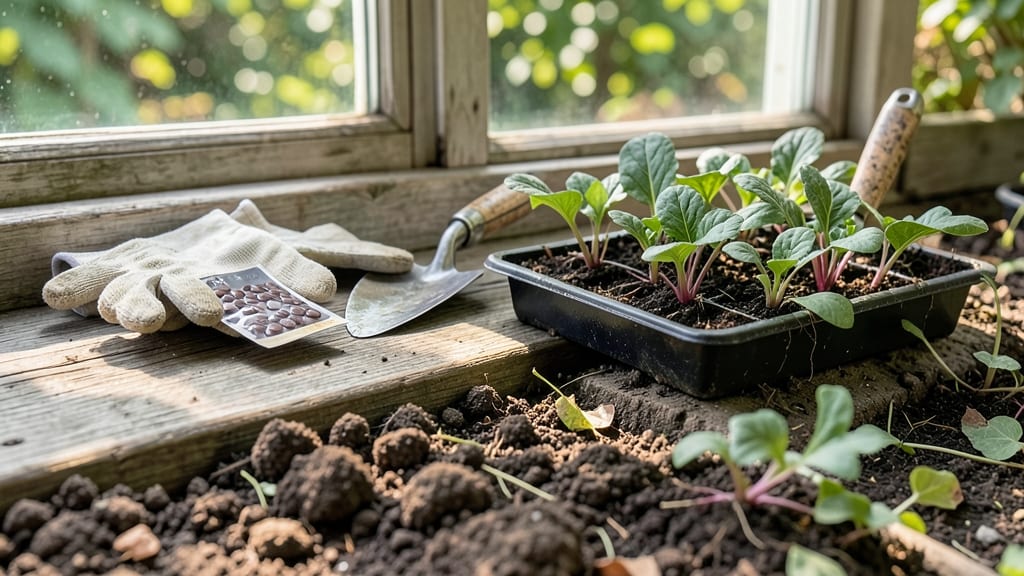
If you're growing beets in Zone 9, timing your planting could mean the difference between sweet, tender roots and tough, woody ones. The right season makes all the difference, especially when you're dealing with the heat and mild winters of this climate.
Most gardeners assume spring is the only option, but fall planting offers unique advantages in Zone 9. By starting seeds in early fall, you can avoid the intense summer heat while still enjoying a harvest before winter sets in.
This strategy helps you beat the heat and extend your growing season.
I’ve found that planting in late summer or early fall gives beets the cool soil temperatures they need to develop properly. Plus, you’ll miss the stress of bolting that comes with Zone 9’s long, hot days. Let’s break down the best times to plant and how to maximize your harvest.
Whether you’re a seasoned gardener or just starting, these tips will help you grow the best beets possible. You’ll learn how to adjust for microclimates, choose the right varieties, and keep your plants thriving—even in the heat.
Best planting times for beets in Zone 9: fall vs. spring breakdown
Zone 9 gardeners have a unique advantage for growing beets—the mild winters and warm springs create two ideal planting windows. Unlike cooler climates, you can skip the summer heat entirely and focus on fall and spring plantings for the sweetest, most tender harvests.
The key is understanding how to time your planting to avoid bolting (going to seed prematurely) and heat stress.
Most gardeners in Zone 9 plant beets in late summer to early fall and again in winter for spring harvests. This two-season approach ensures a steady supply of fresh beets without battling summer’s intense heat.
For example, I’ve found that beets planted in September mature just as temperatures cool, while those sown in February take advantage of the mild winter growing season.
Here’s the critical detail: beets thrive when soil temperatures stay between 50°F and 75°F. In Zone 9, summer heat pushes soil temps above 80°F, causing beets to bolt or develop tough, woody roots.
That’s why timing is everything—plant too early in spring, and you’ll face heat stress; too late in fall, and frost may sneak in.
| Season | Ideal Planting Months | Soil Temp Goal | Days to Harvest | Key Considerations |
|---|---|---|---|---|
| Fall | September–October | 50°F–70°F | 50–70 days | Avoid late plantings that may face frost; use shade cloth if temps rise. |
| Winter | February–March | 55°F–65°F | 60–80 days | Leverage mild winters; mulch to protect from light frosts. |
| Spring | April (early) | 60°F–70°F | 60–75 days | Risk of bolting if planted too late; prioritize quick-maturing varieties. |
For fall plantings, aim to sow seeds 6–8 weeks before your first frost date. In Zone 9, this usually means late August to early September. Beets planted in September will mature by late October or November, just as temperatures drop.
I’ve had great success with succession planting every 2–3 weeks in fall to stretch the harvest into winter.
Winter plantings in Zone 9 are often overlooked but can be incredibly productive. Sow seeds in February for a spring harvest, or even in December for early winter greens. The key is to keep soil temperatures stable—mulch heavily with straw or leaves to insulate roots.
In my garden, winter-sown beets often produce sweeter roots because they grow slower in cooler temps.
If you’re tempted to plant in summer, I strongly recommend against it unless you’re using shade cloth or growing heat-tolerant varieties. Beets planted in June or July will bolt quickly, and the roots will taste bitter.
Instead, focus on the two cooler seasons where beets truly shine in Zone 9.
Pro tip: Use a seed starting kit or plant directly into the garden. Beet seeds are tiny, so I like to mix them with sand for even spacing.
Once seedlings emerge, thin to 2–3 inches apart to give roots room to swell. This simple step prevents competition and ensures larger, sweeter beets.
Remember, the goal is to harvest before summer heat sets in. In Zone 9, that means planning your fall plantings to finish by May and your winter plantings to mature by July. With the right timing, you’ll enjoy fresh beets from October through June—a full 8-month supply!
Best planting times for beets in Zone 9: fall vs. spring breakdown
Zone 9 gardeners have a unique opportunity to grow beets year-round, but timing is everything. Unlike cooler climates, spring and fall are your best bets for avoiding heat stress and bolting. Planting in September-October or February-March aligns with cooler temperatures, giving beets the ideal 55-75°F soil they crave.
Spring planting in Zone 9 starts early—late February to early March—when daytime temps dip below 80°F. This gives roots time to mature before summer’s peak heat. Fall planting, however, is often more successful, with September 15-October 15 being the sweet spot for a winter harvest before frost.
| Season | Best Months | Ideal Soil Temp | Harvest Window | Key Risk |
|---|---|---|---|---|
| Spring | Feb 28 - Mar 15 | 55-65°F | May-June | Heat stress |
| Fall | Sep 15 - Oct 15 | 60-70°F | Dec-Jan | Frost sensitivity |
| Winter | Nov 1 - Dec 15 | 50-60°F | Feb-Mar | Slow growth |
For spring plantings, use shade cloth if temps exceed 85°F to prevent bolting. I’ve found that succession planting every 2 weeks in spring keeps a steady supply, while fall plantings benefit from mulching to retain moisture during dry spells.
Zone 9’s mild winters also allow for winter plantings (November-December), but growth slows significantly. These late-season beets often yield smaller roots but can be harvested in early spring before summer heat sets in.
Pro tip: Always test soil temperature with a thermometer—beets won’t germinate well below 50°F. I keep mine in a cool, shady spot until soil warms to 60°F for reliable sprouting.
Remember, bolting is your biggest enemy in Zone 9’s heat. Choose heat-tolerant varieties like ‘Detroit Dark Red’ and plant in partial shade during peak summer if you’re experimenting with summer plantings.