
Plants
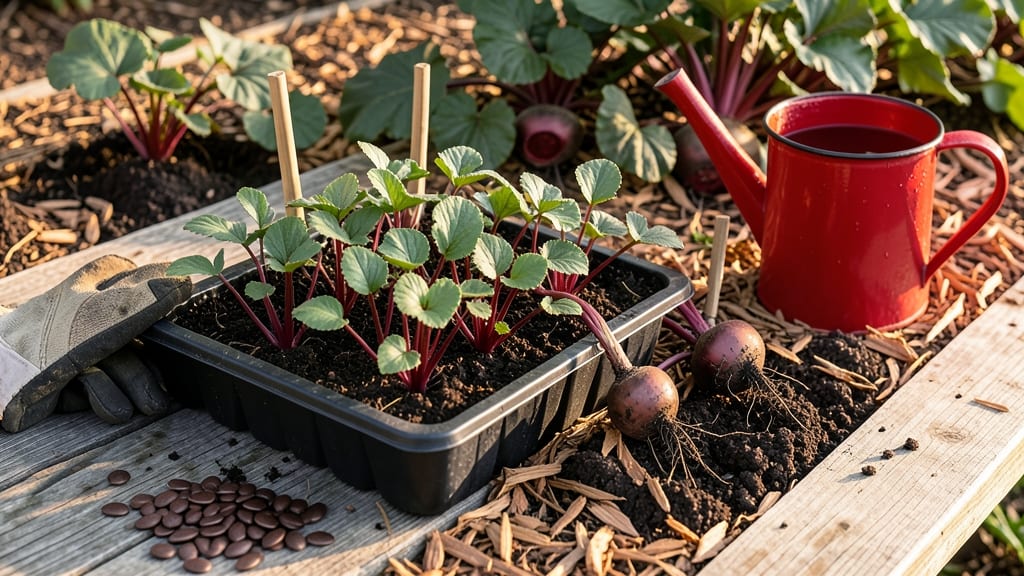
Timing your beet 🍠 planting in Illinois can make or break your harvest—get it wrong, and you’ll end up with bitter, tough roots instead of the sweet, tender gems you’re craving.
With Illinois’ Zone 5-6 climate, the key is planting 4-6 weeks before the last frost (typically mid-April) for spring harvests, or 8-10 weeks before the first frost (mid-October) for a fall crop.
But here’s the catch: Illinois’ unpredictable weather means you’ve got to balance soil warmth, frost dates, and even succession planting to keep your garden producing all season.
Whether you’re a first-time gardener or a seasoned pro, I’ll break down the exact planting windows, the best beet varieties for your zone, and pro tips to stretch your harvest—so you’re never left wondering why your beets turned out less than perfect.
Let’s dive into the frost-free secrets that’ll turn your Illinois garden into a beet-growing powerhouse.
Optimal Illinois beet planting dates by Zone 5-6 (with frost charts)
In Illinois’ Zone 5-6 climate, timing your beet 🍠 planting is all about avoiding frost while ensuring soil warmth. The last spring frost typically hits mid-April (earlier in southern IL, later in Chicago), so aim to plant 4-6 weeks before that date for spring harvests.
For fall crops, start seeds 8-10 weeks before the first frost (mid-October in most areas).
Beets thrive in 50-60°F soil, so wait until the ground warms—test with a soil thermometer or plant when daytime temps stay above 50°F. In Illinois, this usually means late March to early April for spring plantings. Fall plantings should begin in early July to mature before frost.
Here’s the breakdown for Zone 5-6 Illinois, including frost-free windows and ideal planting dates:
| Planting Window | Zone 5 (North IL) | Zone 6 (Central/South IL) | Key Notes |
|---|---|---|---|
| Spring Planting | Late March - Early April | Mid-March - Late March | Soil must be 50°F+; use row covers if frost threatens. |
| First Harvest | Late May - Early June | Mid-May - Late May | Harvest when roots are 1-3 inches wide for best flavor. |
| Fall Planting | Early July - Mid-July | Late June - Early July | Plant 8-10 weeks before frost; avoid late summer heat. |
| Fall Harvest | September - Early October | Late August - September | Use mulch to protect roots from early frost. |
Illinois’ clay-heavy soil can delay warming, so amend with compost to improve drainage. If you’re in northern IL (Zone 5), err on the side of later spring plantings to avoid frost. Southern IL gardeners can start 2 weeks earlier and enjoy longer harvest windows.
For succession planting, sow new seeds every 2-3 weeks from spring through early summer. This ensures a continuous harvest and prevents bolting (when beets flower prematurely). In fall, a second planting in late July can yield roots before frost.
Pro tip: Use frost cloth for early spring plantings—it adds 2-4°F protection and can extend your season by 2-3 weeks. Just remove it when soil warms to 60°F to avoid overheating.
Remember, beets are cold-tolerant but hate heat. If summer temps exceed 85°F, provide afternoon shade to prevent bolting. With these dates, you’ll avoid the woody, bitter beets that ruin a perfect harvest.
Best beet varieties for Illinois gardens (cold-hardy vs. heat-tolerant)
Choosing the right beet 🍠 variety for Illinois’ Zone 5-6 climate is key to avoiding bitter, woody roots. Some varieties thrive in cool spring temps, while others handle late-summer heat better.
For Illinois, I recommend 3-4 varieties that balance cold-hardiness and heat tolerance—so you can plant once in spring and again in fall without compromising flavor.
Cold-hardy varieties like Detroit Dark Red and Golden are perfect for early spring or fall plantings, while heat-tolerant types like Boltardy and Chioggia (the striped "candy cane" beet) handle summer’s intensity better.
Let’s break down the best options for your Illinois garden, including their harvest windows and flavor profiles.
| Variety | Type | Best For | Days to Harvest | Flavor |
|---|---|---|---|---|
| Detroit Dark Red | Cold-Hardy | Spring/Fall | 50-60 days | Sweet, earthy, classic |
| Golden | Cold-Hardy | Spring/Fall | 50-60 days | Mild, buttery, tender |
| Boltardy | Heat-Tolerant | Summer | 60-70 days | Sweet, resistant to bolting |
| Chioggia | Heat-Tolerant | Summer/Fall | 60-70 days | Striped, sweet, decorative |
For spring plantings in Illinois, Detroit Dark Red and Golden are my top picks—they handle cool soil and late frosts like a champ. Plant these 4-6 weeks before your last frost (late March to early April) for a May-June harvest.
Their deep red or golden hues also make them a showstopper in salads or roasted dishes.
If you’re planting for summer harvests, Boltardy and Chioggia are game-changers. Boltardy is bred to resist bolting in heat, making it ideal for July plantings that mature by September.
Chioggia’s striking stripes add a fun twist to your garden, and its sweet flavor holds up even in 85°F+ temps. Both thrive in well-drained soil, so amend your Illinois clay with compost to prevent rot.
Pro tip: Mix varieties for a continuous harvest. Plant Detroit Dark Red in early spring and Chioggia in late summer—this way, you’ll have sweet beets from May through October.
Just remember: thin seedlings to 3 inches apart to avoid competition, or you’ll end up with small, misshapen roots.
For fall plantings, stick with cold-hardy varieties like Golden or Detroit—they’ll sweeten up as temps drop. Avoid heat-lovers like Boltardy in late summer; they’ll bolt prematurely if stressed by 90°F+ heat. With the right mix, you’ll enjoy fresh, tender beets all season long—no more tough, bitter surprises!