
Plants
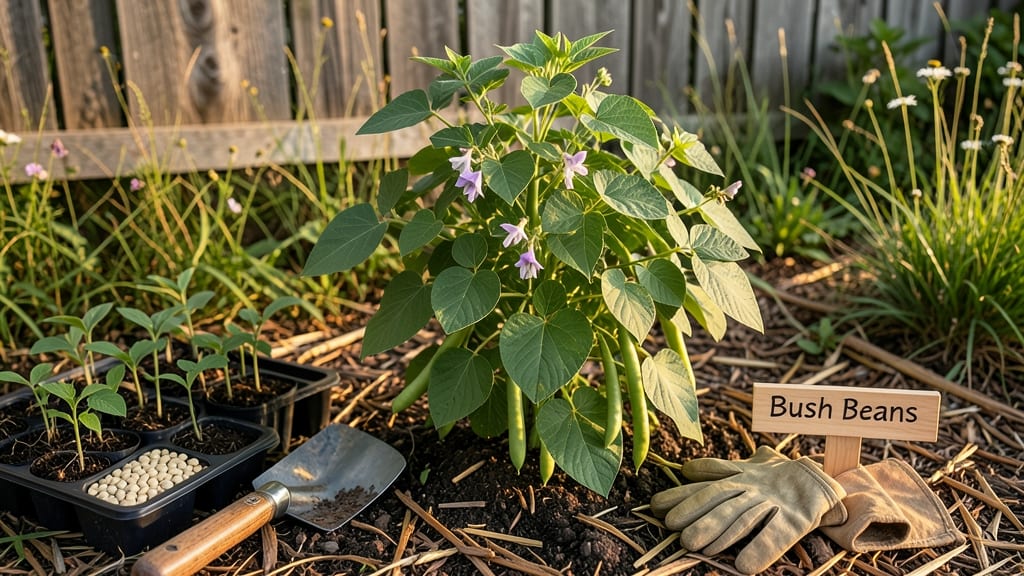
Timing your beans planting in Virginia makes all the difference between a thriving garden and a failed crop. With Zone 7a-8a frost dates that shift from late March to mid-April, getting those seeds in the ground at the right moment is critical for success.
Whether you're growing bush beans or pole beans, understanding the 180-day frost-free window ensures your plants mature before the first chill sets in.
Most gardeners in Virginia plant beans between April 15 and June 15 for spring harvests, but fall plantings from August 1 to September 15 can extend your growing season. The key is waiting until soil temperatures hit 60°F—cold soil slows germination and invites rot.
I’ll show you exactly how to time it right, whether you’re in the Piedmont or Coastal Plain, so you can enjoy fresh 🌱 beans from June through November.
Even experienced gardeners sometimes miss the mark—planting too early risks frost damage, while waiting too long can leave you with stunted plants. I’ll break down the exact deadlines for your zone, plus pro tips like soil prep and companion planting to maximize your yield.
Let’s get those beans growing strong and healthy!
Ready to avoid common mistakes and set your garden up for success? You’ll learn how to read your local microclimate, choose the best varieties for Virginia’s heat, and keep your plants thriving until harvest. Let’s dive in!
Virginia Zone 7a-7b frost dates and bean planting deadlines
Understanding Virginia’s frost-free window is critical for growing beans successfully. In Zones 7a-7b, the last spring frost typically occurs between late March and mid-April, while the first fall frost arrives around mid-October to early November.
These dates create a 180-day growing season—perfect for beans that thrive in warm soil and sunshine.
For spring planting, aim to sow seeds 2-3 weeks after your last frost date, once soil temperatures consistently reach 60°F or higher.
This usually lands between mid-April and early May in most of Virginia. Fall planting, on the other hand, should happen 8-10 weeks before the first frost, giving you a window from early August to mid-September.
| Season | Planting Window | Soil Temp Requirement | Days to Maturity |
|---|---|---|---|
| Spring | Mid-April to early May | 60°F+ | 50-70 days |
| Fall | Early August to mid-September | 60°F+ | 50-60 days |
🌱 Key: Plant when soil warms to 60°F and frost risk is minimal.
If you’re growing bush beans, which mature faster (around 50-60 days), you can push the envelope slightly earlier in spring or later in fall. Pole beans, however, need more time (around 60-70 days), so stick closer to the mid-season deadlines to avoid stunted growth from early or late planting.
For gardeners in cooler microclimates like the Blue Ridge Mountains, extend your season by using row covers or planting in south-facing beds that warm up faster.
In warmer coastal areas, you might even squeeze in a late spring planting by early June, but be prepared to provide shade cloth during peak summer heat to prevent stress.
Always check your local frost dates using the Virginia Cooperative Extension’s frost calculator, as microclimates can shift planting windows by 1-2 weeks. For example, Richmond’s Zone 7b may have a slightly longer frost-free window than Roanoke’s Zone 7a, so adjust accordingly.
Pro tip: Use a soil thermometer to confirm soil temps before planting. Cold soil slows germination, and beans won’t sprout well below 55°F. If your soil is still chilly, wait a few more days or use black plastic mulch to warm it up faster.
Remember, succession planting is your friend! For a continuous harvest, sow new seeds every 2 weeks during the spring window and every 3 weeks in fall. This ensures you’re always picking fresh pods instead of facing a glut all at once.
Finally, keep an eye on your local weather forecast in the days leading up to planting. A late frost or unexpected cold snap can derail your plans, so have a backup row cover ready to protect tender seedlings if needed.
Best bean varieties for Virginia’s climate and their planting times
Choosing the right bean varieties for Virginia’s humid subtropical climate ensures your plants thrive from June through October. Heat-tolerant varieties like Blue Lake and Kentucky Wonder perform exceptionally well in Zones 7a-7b, while faster-maturing types like Romano work for late-season plantings.
Each variety has specific planting windows to maximize yield and avoid summer stress.
For spring plantings, aim to sow seeds 2-3 weeks after the last frost date (typically mid-April to early May). Pole beans, which need trellises, benefit from early starts, while bush beans can handle slightly later plantings.
In fall, focus on varieties with 50-60 days to maturity to harvest before the first frost in mid-October.
Here’s how to match varieties to Virginia’s growing seasons for continuous harvests:
| Variety | Days to Maturity | Spring Planting Window | Fall Planting Window | Heat Tolerance |
|---|---|---|---|---|
| Blue Lake | 55-60 days | April 15 - May 15 | August 1 - September 1 | High |
| Kentucky Wonder | 60-65 days | April 20 - May 10 | August 10 - August 30 | Moderate |
| Romano | 50-55 days | May 1 - June 1 | August 15 - September 15 | High |
| Provider Pole | 60-70 days | April 10 - May 5 | July 20 - August 10 | Moderate |
For succession planting, sow new seeds every 2-3 weeks from April through June to ensure a steady supply of fresh beans. In fall, focus on varieties like Romano, which mature quickly and tolerate cooler temperatures better than other types.
Always plant when soil temperatures exceed 60°F to avoid germination issues.
If you’re in Coastal Plain regions, where summers are hotter, opt for heat-tolerant varieties like Blue Lake or Romano. In the Piedmont, where nights are cooler, Kentucky Wonder or Provider Pole beans perform better.
Adjust planting times based on your local microclimate—even a few degrees difference can impact success.
Pro tip: Use black plastic mulch in early spring to warm the soil faster and extend the planting window by 1-2 weeks. This is especially helpful for gardeners in Zone 7a, where frost lingers longer.
Pair your beans with companion plants like marigolds or radishes to deter pests and improve soil health.