
Plants
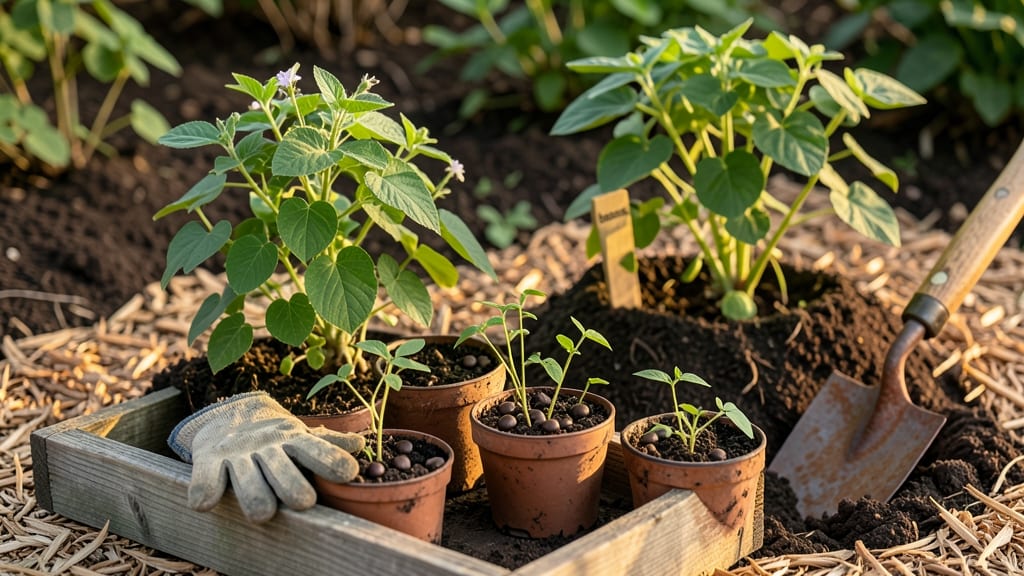
If you're wondering when to plant beans in NC, timing is the secret to a bumper harvest—especially for heat-loving varieties like black-eyed peas and kidney beans.
North Carolina's 7a-8b zones offer two prime windows: spring (mid-April to early June) and fall (late July to early August), but getting it wrong can mean wilted plants or stunted growth.
The key is waiting until soil temperatures hit 60°F—cold, wet soil is a fast track to rot. For spring plantings, that usually means after your last frost (typically late March to early May), while fall beans thrive when summer's heat starts easing.
Skipping this step is one of the most common mistakes gardeners make, and it can slash your yield by half.
I've grown 🌱 beans in NC for years, and I'll show you exactly how to nail those planting dates—plus which varieties handle our summer heat best. Whether you're a first-timer or a seasoned gardener, these insights will help you avoid frost damage, overcrowding, and other pitfalls that ruin harvests.
Ready to grow beans that produce like crazy? Let's dive into the exact dates, soil prep, and variety choices that work in North Carolina's climate—so you can enjoy fresh pods from July through October (or even longer with the right techniques).
Best planting times for beans in North Carolina by region
North Carolina’s diverse climate means planting times vary dramatically from the Coastal Plain to the Mountains. Understanding your USDA zone (7a-8b) and last frost dates is key to avoiding frost damage or stunted growth. Most gardeners aim for soil temperatures of 55-65°F—a critical threshold for germination.
In the Coastal Plain (eastern NC), where winters are milder, you can start planting bush beans and pole beans as early as mid-March. However, the risk of late frost (until April 15) means waiting until mid-April is safer.
This region’s longer frost-free season (up to 220 days) allows for two planting windows: spring and fall.
For the Piedmont (central NC), including Raleigh and Charlotte, last frosts typically occur around April 15. This makes late April to early May the ideal time to plant.
If you’re growing heat-tolerant varieties like black-eyed peas or cowpeas, you can also plant in late July for a fall harvest before the first frost in mid-October.
The Mountains (western NC) have a shorter growing season, with last frosts often lingering until May 1. Plant beans after May 15 to ensure they mature before the first frost in early October. Succession planting every 2-3 weeks through June can extend your harvest window significantly.
🌱 NC Bean Planting Guide by Region
| Region | Last Frost Date | Best Planting Window | Fall Planting Window | Soil Temp Threshold |
|---|---|---|---|---|
| Coastal Plain | Mid-April | Mid-April to early June | Late July to early August | 55-65°F |
| Piedmont | April 15 | Late April to early May | Late July to early August | 60-65°F |
| Mountains | May 1 | After May 15 | Late June to early July | 60-65°F |
✅ Pro Tip: Use a soil thermometer to confirm temperatures before planting—cold soil delays germination.
If you’re unsure about your last frost date, check local weather records or use the NC State Extension’s frost map. For example, Asheville’s last frost is May 1, while Wilmington’s is March 15.
Planting too early in cooler zones can lead to seed rot or poor germination.
For fall harvests, aim to plant beans 80-100 days before your first frost. In the Piedmont, this means late July to early August. In the Mountains, shift to late June to ensure pods mature before October’s first frost.
Heat-tolerant varieties like ‘Purple Hull’ or ‘Crowder’ peas handle NC’s summer heat better than traditional green beans.
Another critical factor is succession planting. Instead of planting all your beans at once, stagger them every 2 weeks for a continuous harvest. This works especially well in the Coastal Plain, where the growing season is longest.
For example, plant one batch in April, another in May, and a final one in July to enjoy beans from June through September.
Always test your soil pH (6.0-6.8) before planting—beans need slightly acidic to neutral soil. If your soil is too alkaline, mix in compost or peat moss to adjust it. A simple DIY pH test with vinegar and baking soda can save you from poor growth later.
Finally, monitor weather forecasts for heatwaves. If temperatures exceed 90°F, beans may stop flowering. Providing light shade cloth during peak heat can help maintain production, especially for pole beans that need consistent support.
Best planting times for beans in North Carolina by region
North Carolina’s diverse climate means planting times vary by region—Coastal Plain, Piedmont, and Mountains each have unique frost patterns and soil warming speeds.
For spring plantings, aim for mid-April to early June after your last frost, while fall plantings should start late July to early August for a late-season harvest.
The golden rule? Wait until soil temperatures hit 60°F (15°C)—cold soil slows germination and invites rot. Use a soil thermometer to check; if it’s below 55°F (13°C), hold off. In the Coastal Plain, this often means early April, while Mountain regions may wait until mid-May.
Here’s a quick breakdown of your region’s ideal windows and key dates:
🌱 North Carolina Bean Planting Guide by Region
| Region | Last Frost Date | Spring Planting Window | Fall Planting Window | Soil Temp Threshold |
|---|---|---|---|---|
| Coastal Plain | Late March | Mid-April to early May | Late July to early August | 60°F+ |
| Piedmont | Early April | Early April to late May | Early August to mid-Sept | 60°F+ |
| Mountains | Mid-May | Mid-May to early June | Late August | 65°F+ |
🌡️ Pro Tip: Mountain regions need slightly warmer soil (65°F) due to cooler nights.
For fall harvests, plant black-eyed peas or Southern peas in late July—they tolerate heat better than snap beans. In the Piedmont, you can even squeeze in a late-September planting for pods ready by first frost (mid-October).
Just avoid planting after August 15 in the Mountains, where nights cool faster.
One trick I use? Plant a test row of bush beans two weeks before your target date. If they sprout within 10 days, your soil’s ready. If not, wait another week—patience pays off with faster-growing, healthier plants.
Remember, succession planting every 2 weeks after your first batch ensures a steady supply. For example, in the Coastal Plain, plant May 1, May 15, and June 1 for harvests through September. This beats the rush of one big harvest and spreads out your garden’s workload.