
Plants
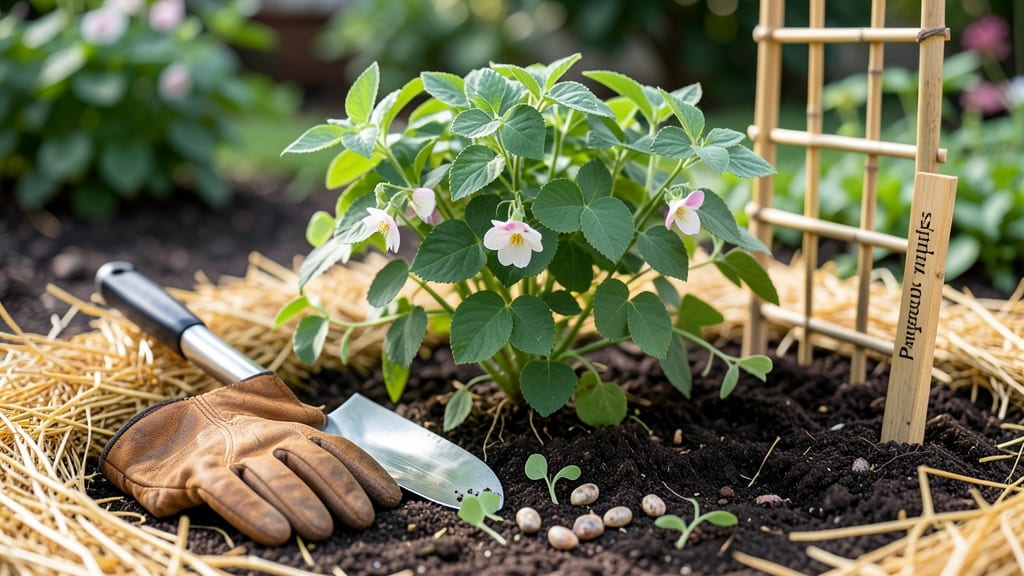
Planting beans in Maine at the wrong time can mean the difference between a bountiful harvest and a sad, frost-nipped garden. With cool springs and unpredictable weather, timing is everything—especially when you're dealing with 60-day varieties that need every warm day to thrive.
Most gardeners in USDA zones 5b-6b wait until mid-May to early June, after the last frost (usually around May 15), but there's a trick to extending your season.
Late July plantings can still yield beans by September, giving you a second chance at fresh 🌱 harvests when summer heat winds down.
Here’s the game-changer: soil temperature matters more than calendar dates. Beans need soil that’s at least 60°F—warmer than most Maine springs deliver. We’ll show you how to check soil warmth and adjust your planting schedule to fit Maine’s quirky climate.
Ready to grow pole beans that climb to 6 feet or bush varieties that stay compact? Let’s break down the exact windows, soil prep secrets, and even how to stretch your harvest with succession planting—so you’re not left with empty vines by August.
Maine’s frost-free planting dates for beans: exact timelines by variety
Maine’s cool, variable climate demands precision when planting beans. Unlike warmer states, soil temperature and last frost dates vary dramatically between coastal Zone 5b (e.g., Portland) and inland Zone 4b (e.g., Bangor).
For example, coastal areas may see frost-free conditions by May 10–15, while inland regions often wait until May 25–June 1. This delay isn’t just about timing—it’s about soil warmth, which beans crave to germinate.
Beans thrive when soil reaches 60–70°F. In Maine, this typically aligns with late May to early June for most regions, but pole beans (like ‘Kentucky Wonder’) are slightly more forgiving than bush beans (like ‘Blue Lake’).
The key is planting 2 weeks after your average last frost—not before. This buffer accounts for late-season cold snaps that can kill young seedlings.
For a fall harvest, aim for late July plantings in Zone 5b or early August in Zone 4b. These late-season varieties (e.g., ‘Provider’ bush beans) mature faster and tolerate cooler temperatures better than spring-planted beans.
However, succession planting every 2 weeks after your initial date maximizes yield in Maine’s short growing season.
🌱 Did You Know? Black plastic mulch can warm soil by 10–15°F, letting you plant beans 2–3 weeks earlier in cool Maine springs. Simply lay the mulch 1–2 weeks before planting to jumpstart germination.
If you’re transplanting seedlings, start them indoors 4–6 weeks before your target outdoor date. Maine’s short daylight hours in spring (often 12–14 hours) can stunt growth, so use grow lights to supplement if needed.
Harden off seedlings 1 week before transplanting to avoid shock from Maine’s windy coastal breezes or dry inland air.
For direct sowing, plant seeds 1–1.5 inches deep and 3–4 inches apart (bush beans) or 4–6 inches apart in rows 18–24 inches apart (pole beans). Thin seedlings to 4–6 inches apart once they’re 3–4 inches tall—this reduces competition and boosts pod production.
In Maine’s rocky or sandy soils, mix in compost to improve moisture retention and nutrient availability.
Pro tip: Use a soil thermometer to confirm soil temps. If it’s below 60°F, delay planting or use black plastic mulch to accelerate warming. In Zone 4b, even a 5°F difference can mean the difference between a failed crop and a bountiful harvest.
🌿 Actionable Tip: Mark your calendar for June 15—this is Maine’s last safe date for
5 Critical factors that determine the best planting time in Maine
Maine’s cool, variable climate means soil temperature is your #1 guide—not just frost dates. Beans need soil at 60–70°F to germinate, but coastal areas (like Portland) warm faster than inland Zone 4 spots like Presque Isle. Use a soil thermometer to avoid waiting too long.
Next, check last frost dates. While Maine’s average is May 15, coastal regions can be 2 weeks earlier. Plant 2 weeks after your local last frost—even if soil is warm—to protect tender seedlings from surprise late frosts.
Day length matters too. Beans thrive with 12+ hours of daylight, which Maine hits by late May. If planting earlier, use row covers to shield seedlings from chilly nights until temperatures stabilize.
Don’t overlook microclimates. Urban gardens near buildings or paved areas warm 3–5°F faster than rural fields. Test your spot: If soil reaches 60°F by May 10, you’re ahead of inland areas.
Finally, succession planting extends your harvest. For fall beans, sow late July varieties like ‘Provider’ bush beans, which tolerate cooler soils and mature before the October 15 frost.
🌱
- 🌱 Soil Temperature: Wait until soil hits 60–70°F (use a thermometer). Coastal areas warm by mid-May; inland by late May.
- ❄️ Last Frost Date: Plant 2 weeks after your local last frost (check USDA Zone 4/5 maps). Coastal Maine: May 1–15; inland: May 15–30.
- ☀️ Daylight Hours: Beans need 12+ hours of light. Aim for planting after late May for optimal growth.
- 🏙️ Microclimates: Urban gardens warm 3–5°F faster than rural areas. Test your soil—urban spots may be ready 1–2 weeks earlier.
- 📅 Succession Planting: For fall harvests, plant late July varieties like ‘Provider’ beans. They tolerate cooler soils and mature before October frost.
Pro tip: Black plastic mulch can warm soil by 5–10°F, giving you an earlier start in Zone 4 areas. Lay it down 1–2 weeks before planting to jumpstart germination.
💧
Maine’s short growing season demands precision. By mastering these 5 factors, you’ll avoid the #1 mistake—planting too early and losing seedlings to frost. Start checking soil temps now, and mark your calendar for 2 weeks after your last frost date.