
Plants
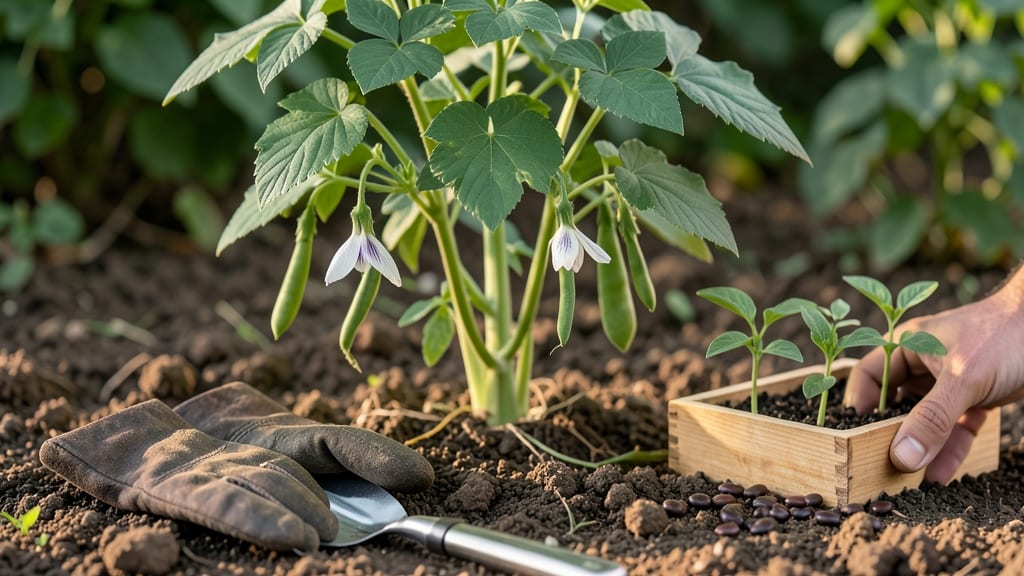
When to plant beans in Minnesota isn’t just about checking a calendar—it’s about catching that sweet spot between frost and summer heat. If you’ve ever watched your bean seedlings wilt under late spring chills or bolt in July’s heat, you know timing is everything.
Minnesota’s USDA Zones 3-5 mean gardeners here face unique challenges, from unpredictable frost dates to short growing seasons. But with the right strategy, you can grow pole beans that climb to 6 feet or bush beans that stay compact, all while avoiding common pitfalls like stunted growth or disease.
I’ll break down the exact mid-May to early June window that works for most Minnesota gardens, plus how to adjust for your specific location. Whether you’re in the Twin Cities or northern regions, these tips will help you maximize your harvest from July to September.
Ready to transform your garden into a bean bonanza? Let’s dive into the soil temperature secrets and variety tricks that make all the difference in Minnesota’s climate.
Minnesota bean planting dates by variety type (pole vs. bush beans)
Minnesota’s cool nights and short growing season demand precise timing for bean planting. Most varieties thrive when soil temperatures hit 50°F or warmer, typically aligning with mid-May to early June after the last frost.
However, pole beans and bush beans have slightly different ideal windows due to their growth habits.
Northern Minnesota (Zones 3-4) faces earlier frosts, so gardeners should aim for late May to early June plantings. Southern Minnesota (Zones 4-5) can start slightly earlier, around mid-May, but always confirm your local last frost date—which can vary by 1-2 weeks yearly.
Pole beans, like Kentucky Wonder, need more time to mature, so they benefit from an earlier start (late May). Bush beans, such as Blue Lake, grow faster and can handle late May to early June plantings without sacrificing yield.
🌱
| Variety Type | Ideal Planting Window | Days to Maturity | Notes for Minnesota |
|---|---|---|---|
| Pole Beans | Late May | 50-65 days | Needs trellis; plant early for longer harvest. |
| Bush Beans | Early June | 45-55 days | Compact growth; ideal for small gardens. |
| Both Types | July (for late varieties) | N/A | Second planting if frost-free days remain. |
For northern Minnesota, where the growing season is shorter, prioritize early-maturing varieties like Provider (45 days) or Blue Lake (50 days). These varieties can complete their lifecycle before the first frost, typically around mid-October.
Soil temperature is more critical than air temperature. Use a soil thermometer to confirm readings of 50°F or warmer at a 4-inch depth. Cold soil delays germination, leaving beans vulnerable to rot or pests.
If you’re unsure about your local frost dates, check the MN State Climatology Office or use a frost-free date calculator tailored to your ZIP code. This ensures you align your planting with Minnesota’s variable climate.
🌿
Pro tip: Succession planting works well for beans. After harvesting your first batch in July, sow a second crop of bush beans for a late-summer harvest. Just ensure you have at least 60 days of frost-free growing time remaining.
🌱
How to adjust planting dates for Minnesota’s unpredictable weather
Minnesota’s weather is famously unpredictable, and beans—with their 50°F soil temperature requirement—are especially sensitive to timing. A late frost in May or an early chill in July can turn your 6-foot pole beans into a sad, stunted mess.
The key is flexibility: knowing how to shift planting dates based on real-time conditions.
Start by tracking your last frost date, which typically falls around mid-May in southern Minnesota but can linger until late May or early June in the northern regions.
Use the National Weather Service or local Almanac frost charts as your baseline, but always verify with a soil thermometer—beans won’t germinate reliably below 50°F.
⚠️ Late Spring? Don’t Panic—Use These Tricks
Cold soil? Try row covers or black plastic mulch to warm the earth faster. Still too early? Plant fast-maturing varieties like 'Blue Lake' (50 days) or start seeds indoors 2 weeks before your target date.
Early frost risk? Opt for bush beans (harvest in 50-60 days) or use cloches to protect tender seedlings. Never plant after July 15—beans need 90+ frost-free days to mature.
For second crops, Minnesota gardeners can squeeze in a late planting around early July if you choose short-season varieties. Focus on bush beans like 'Provider' or 'Contender,' which mature in 45-50 days. Just be prepared to harvest aggressively before the first frost in mid-October.
Another pro tip: Plant in succession every 10-14 days from mid-May through June. This ensures a continuous harvest and reduces the risk of losing your entire crop to a single late frost. For example, plant pole beans first (they take longer to mature), followed by bush beans 2 weeks later.
If you’re in northern Minnesota (Zone 3-4), err on the side of later plantings. Wait until late May or early June when the soil is consistently warm, and choose early-maturing varieties.
In southern Minnesota (Zone 4-5), you have more wiggle room—start as early as mid-April in greenhouses or mid-May outdoors.
Remember, beans hate cold feet. Even if air temperatures seem warm, soil can stay chilly for weeks. Invest in a $10 soil thermometer—it’s the difference between a thriving garden and a failed experiment.
With these adjustments, you’ll turn Minnesota’s unpredictable weather into your secret weapon for a bountiful bean harvest.