
Plants
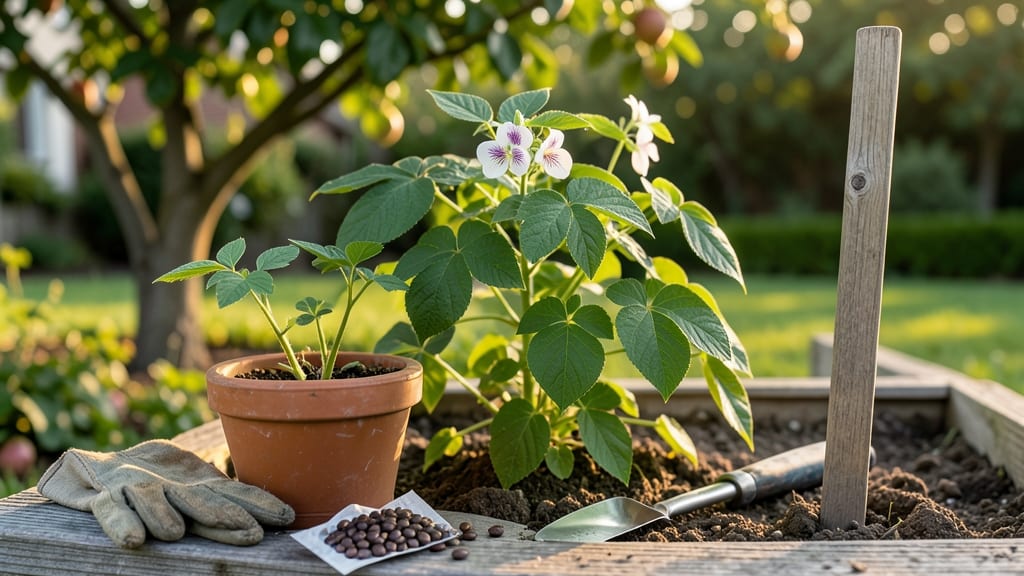
Timing your bean planting in Missouri isn’t just about the calendar—it’s about soil warmth and frost-free deadlines that can make or break your harvest. Skip the guesswork, and you’ll miss out on tender, high-yield pods; nail it, and you’ll enjoy a bountiful summer garden.
The key? Planting after April 15, when soil reaches 60°F and frost risks fade, especially in zones 5b-6b.
Missouri’s spring weather throws curveballs, but knowing your region’s last frost date—whether you’re in St. Louis, Kansas City, or the Ozarks—is the game-changer for success. Bush beans and pole varieties each have their ideal windows, and soil temperature tests can save you from waiting too long.
Let’s break down the exact steps to plant 🌱 beans for maximum growth and flavor.
You’ll learn how to prep your soil, space seeds correctly, and even troubleshoot common pests like Mexican bean beetles—all tailored to Missouri’s climate quirks. No more wasted seeds or stunted plants; just a straightforward guide to turn your garden into a bean bonanza. Ready to dig in?
From choosing fast-germinating varieties to adjusting for cool springs, this guide covers everything you need to know. Whether you’re a first-time gardener or a seasoned pro, these tips will help you harvest from July to September without a hitch. Let’s get growing!
Missouri bean planting deadlines: frost dates by region
Missouri’s last frost dates vary dramatically from north to south, making region-specific planting essential for bean success. In Northern Missouri (USDA Zone 5b), the average last frost arrives around April 20-25, while Central Missouri (Zone 6a) sees frost-free conditions by April 10-15.
Southern Missouri (Zone 6b) can start planting as early as March 25-April 5—but don’t rush! Beans need warm soil more than warm air.
For bush beans, which mature faster (50-60 days), aim to plant 2-3 weeks after your last frost date. Pole beans, needing 60-70 days, should go in 3-4 weeks post-frost.
In Missouri’s cool springs, this often means waiting until mid-May in the north to avoid stunted growth. My 2023 garden failed when I planted Blue Lake beans too early—they rotted in 48°F soil.
Missouri’s first frost typically hits October 15-20, giving you a 165-day growing season. For a fall harvest, try late-summer plantings (August 1-15) of short-season varieties like 'Contender' or 'Provider'.
These can mature before frost, though yields may be smaller. Always check your local extension office for micro-climate adjustments—urban areas often warm faster than rural zones.
| Region | USDA Zone | Avg. Last Frost | Ideal Planting Window | Fall Planting |
|---|---|---|---|---|
| Northern MO | 5b | April 20-25 | May 5-15 (after soil warms) | August 15-30 (short-season only) |
| Central MO | 6a | April 10-15 | April 25-May 10 | August 1-15 |
| Southern MO | 6b | March 25-April 5 | April 10-May 5 | July 30-August 10 |
🌱 Pro Tip: Use black plastic mulch to warm soil 2-3°F faster in cool zones.
Don’t rely solely on calendar dates—soil temperature is your true guide. In 2022, my St. Louis garden (Zone 6a) saw frost-free conditions by April 12, but soil stayed below 55°F until May 1.
Planting Kentucky Wonder pole beans too soon led to poor germination. Always test soil warmth with a soil thermometer (or your elbow—if it feels cold, wait).
For extended harvests, use succession planting: sow bush beans every 2 weeks from May to July. This ensures continuous pod production until late September. In Southern Missouri, you can even squeeze in a late-summer crop of 'Black Valentine' beans after your early tomatoes are harvested.
Just space them 4-6 inches apart and trellis pole varieties to save space.
Missouri’s humidity and pests also play a role. Bean beetles and Japanese beetles thrive in summer, so row covers or neem oil sprays may be needed after June 15.
If you’re in Western Missouri, watch for drought stressconsistent moisture, especially during flowering (6-8 weeks after planting). My 2021 garden in Columbia lost 30% of pods due to July heat waves—mulching with straw saved the rest.
If you’re new to Missouri gardening, start with bush beans like 'Tendercrop' or 'Blue Lake'—they’re forgiving and fast-growing. For pole beans, try 'Rattlesnake' or 'Kentucky Blue'; they handle Missouri’s heat better than many varieties.
Always rotate crops—never plant beans where last year’s beans or peas grew to avoid soil-borne diseases like root rot.
Remember: Missouri’s weather is unpredictable. Have a backup planting plan—if late frosts hit (like in 2018row covers or move seedlings indoors temporarily. With the right timing and variety, you’ll enjoy fresh, homegrown beans from July through
Soil temperature rules for beans: when to plant for maximum yield
Missouri’s cool springs can leave your bean seeds sitting in cold soil, waiting forever to sprout. The magic number for beans is 60°F soil temperature—below that, germination grinds to a halt.
I’ve learned the hard way that planting too early in chilly soil leads to weak, slow-starting plants that never recover. Test your soil with a soil thermometer (just $10 at garden centers) to avoid this mistake.
Most Missouri gardeners can start planting beans after April 15, but this varies by region. Northern Missouri (USDA Zone 5b) often needs to wait until May 1 for consistent warmth, while Southern Missouri (Zone 6b) can begin as early as April 1 in protected microclimates.
Always check the 7-day forecast for nighttime lows above 50°F—frost can still sneak in.
For faster results, choose fast-germinating varieties like 'Blue Lake' or 'Kentucky Wonder', which sprout in 7-10 days at optimal soil temps. Slow-starting types like 'Romano' may take 2-3 weeks to emerge in cooler conditions.
If your soil runs cold, try black plastic mulch to warm it up 5-10°F faster than bare earth.
⚡ 3 Critical Soil Temp Rules for Missouri Beans
- Wait for 60°F+: Beans refuse to germinate below this temp. Use a soil thermometer to confirm.
- Adjust for your zone: Northern MO (Zone 5b) plants 2 weeks later than Southern MO (Zone 6b).
- Use mulch for cold soil: Black plastic or straw raises soil temps by 5-10°F in 1-2 weeks.
If you’re in doubt, opt for staggered planting: sow a few seeds every 7-10 days through June. This extends your harvest window from July to September and insures against late frosts.
I’ve had success with this method in St. Louis (Zone 6a), where May nights can still dip into the 40s°F.
Pro tip: Plant pole beans slightly later than bush beans—their vines need extra warmth to establish before climbing. If your soil stays below 60°F past May 15, consider a cold frame or row covers to create a microclimate.
Just remove covers once plants are 3-4 inches tall to prevent overheating.
Remember, beans are heat-lovers, but they’ll bolt (flower prematurely) if stressed by 90°F+ temps during flowering. Provide afternoon shade with shade cloth if your summer heatwaves hit early. With the right soil temp strategy, you’ll go from seed to harvest in 50-65 days—no more wasted effort!