
Plants
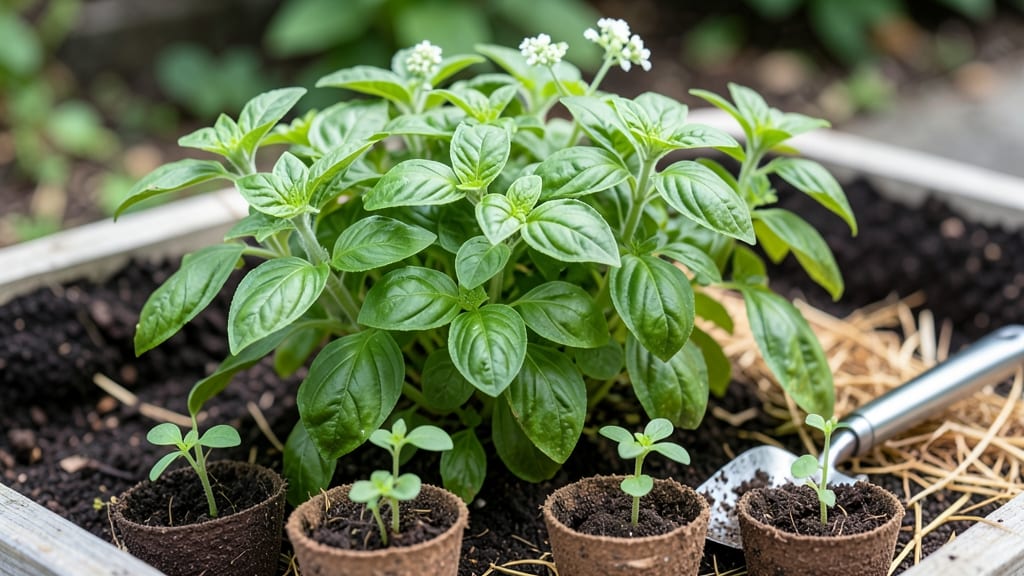
Timing your basil planting in Oregon can mean the difference between a thriving 🌿 herb garden and a sad, frost-nipped disappointment. The perfect window—mid-April to early June—aligns with when soil warms and frost risk fades, but coastal Portland and inland Bend have very different rules.
If you're eager to start early, you can kick off seeds indoors by March to give your plants a head start. But once outdoor temps hit 50°F consistently, it's time to transplant those seedlings into well-draining soil.
This is where Oregon's microclimates come into play—coastal areas stay cooler longer, while inland zones can handle earlier planting.
What you'll discover here are the exact dates for your specific zone, plus pro tips for extending your harvest through summer's heat. Whether you're growing basil in containers or full garden beds, these strategies will help you beat Oregon's unpredictable weather and enjoy fresh leaves straight from your garden.
Let's dive into the best practices so you can start planting with confidence—and enjoy that first harvest before September rolls around.
Oregon’s ideal basil planting calendar by climate Zone
Oregon’s diverse climate—from the coastal fog of the West Coast to the hotter inland valleys—means your basil planting schedule should match your USDA Zone.
In Zone 7b (common in the Willamette Valley), aim for mid-April to early May, while Zone 9a gardeners (like those in Medford) can start as early as late March. Coastal areas like Astoria may need to wait until May due to late frosts and cool ocean breezes.
Basil thrives when soil temperatures hit 50°F or warmer, and all frost risk has passed. Use these last frost dates as your guide: April 15 for most of Oregon, but May 1 for high-elevation areas like the Cascade foothills.
Planting too soon risks frost damage to delicate seedlings, while waiting too long may shorten your harvest window.
Here’s how to adjust your planting timeline based on Oregon’s microclimates:
| Zone & Location | Last Frost Date | Ideal Planting Window | Notes |
|---|---|---|---|
| Zone 7b (Portland, Salem) | April 15 | Mid-April to early May | Start seeds indoors in March for transplants. |
| Zone 8a (Eugene, Corvallis) | April 1 | Late March to April | Warmer inland areas can plant earlier. |
| Zone 9a (Medford, Klamath Falls) | March 15 | Late March to April | Longer growing season; can plant twice. |
| Coastal (Astoria, Newport) | May 1 | Late April to May | Fog delays warming; use row covers. |
| High Elevation (Bend, Sisters) | May 15 | Early to mid-May | Shorter season; prioritize heat-tolerant varieties. |
For container gardening, you can push boundaries by planting 4-6 weeks earlier in pots, which warm up faster. Place containers in south-facing spots and use black plastic mulch to accelerate soil warming. Just ensure your 5-gallon pots have drainage holes to prevent root rot from Oregon’s frequent rain.
If you’re growing basil for pesto or culinary use, prioritize Genovese or Sweet Basil, which mature in 45-60 days. For longer harvests, succession plant every 2-3 weeks from May to July.
This ensures a steady supply of fresh leaves all summer long, even if your first plant bolts early.
Pro tip: Use a soil thermometer to confirm soil temps are 50°F+ before planting. Cold soil slows germination and stunts growth, so don’t rush—wait for the perfect moment to give your basil the best start. Patience pays off with bigger, more flavorful leaves!
In Zone 9a, you can even squeeze in a fall planting of heat-resistant varieties like Thai Basil in early August. These varieties tolerate warmer nights better and may survive until first frost in October. Just be prepared to move pots indoors if temperatures drop below 40°F.
Remember, Oregon’s unpredictable weather means flexibility is key. Keep an eye on weather forecasts and adjust your planting timeline if late frosts or unseasonable warmth throw off your schedule. With the right timing, you’ll enjoy homegrown basil from June through September—just in time for summer salads and homemade pesto!
For gardeners in transition zones (like the Columbia River Gorge), blend strategies: start seeds indoors in March, then transplant after May 1 when the risk of frost has passed. This two-step approach maximizes your growing season and minimizes risks. 🌱
How to extend your basil season in Oregon’s unpredictable weather
Oregon’s variable climate can make basil gardening tricky—one day it’s chilly and damp, the next it’s scorching. But with the right strategies, you can extend your harvest from early spring to late summer.
Start by beginning seeds indoors in March, giving you a head start before the last frost. This method works especially well for coastal areas like Portland, where cooler temps linger longer.
Once outdoor temps hit 50°F consistently, transplant your seedlings into well-draining soil or containers. If you’re in Zone 8 or 9 (like Medford or Bend), you can plant outdoors as early as mid-April.
But coastal gardeners should wait until late April or early May to avoid frost damage. Use row covers for extra protection if nighttime temps dip below 45°F.
🌱 Pro Tips to Extend Your Basil Season
- 1. Start seeds indoors in March for an early harvest. Use grow lights if natural light is limited.
- 2. Use row covers to protect seedlings from late frosts or unexpected chills.
- 3. Choose heat-tolerant varieties like Thai basil or Genovese, which handle Oregon’s summer heat better.
- 4. Mulch around plants to keep soil cool and retain moisture during dry spells.
- 5. Prune regularly to encourage bushier growth and prevent bolting.
- 6. Harvest leaves in the morning for maximum flavor and to stimulate new growth.
If you’re growing basil in containers, move them to sunnier spots during cloudy days or use a portable grow light to supplement. Containers also make it easier to rotate plants if one area gets too hot or shaded.
For inland areas, like the Willamette Valley, keep an eye on summer heat—basil thrives in 6-8 hours of sun but can bolt if temps exceed 90°F.
To push your harvest even later, try succession planting every 2-3 weeks from May through July. This ensures a steady supply of fresh basil as older plants mature. If frost threatens in October, harvest remaining leaves and bring potted plants indoors for a winter windowsill herb.
With these tricks, you can enjoy homegrown basil nearly year-round in Oregon’s ever-changing climate!
Don’t forget to pinch off flowers as they appear—this redirects energy to leaf growth instead of seed production. A little extra care now means bigger, tastier leaves all season long. Happy gardening! 🌿