
Plants
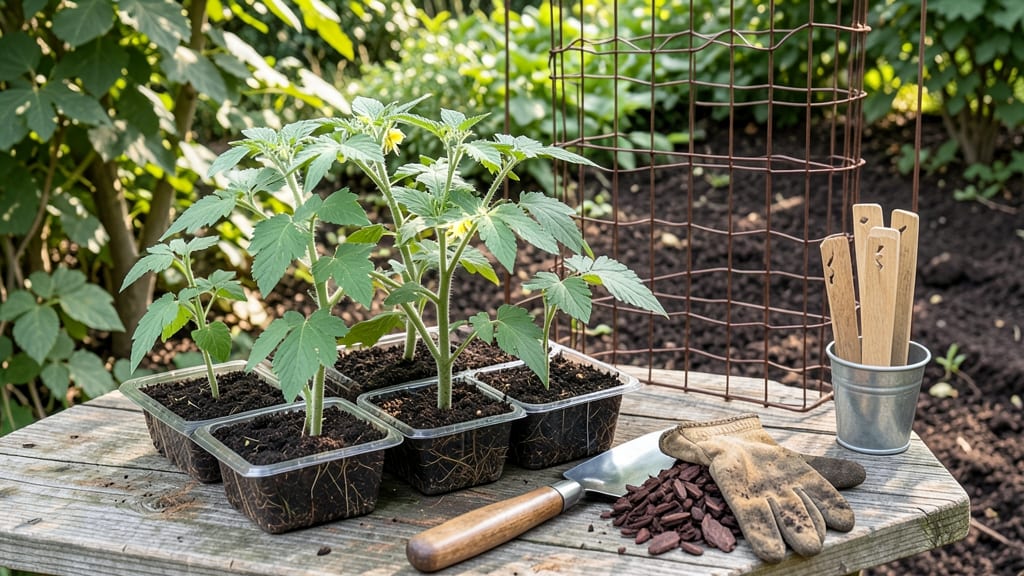
Timing when do you plant tomatoes in Kentucky can feel like solving a puzzle—too early, and frost zaps your seedlings; too late, and summer heat stunts growth.
But with Kentucky’s USDA Zones 6-8 and unpredictable weather, getting it right is the key to a bounty of juicy 🍅 all season long.
Most gardeners in the Bluegrass Region swear by starting seeds indoors 6-8 weeks before the last frost date—typically mid-March to early April—but direct sowing in late May works too. The trick? Monitoring soil temperatures, not just calendar dates, to avoid common pitfalls like blossom-end rot or leggy seedlings.
Whether you’re a backyard gardener or growing in containers on a city balcony, this guide breaks down the exact planting windows for Kentucky’s microclimates. You’ll learn how to adjust for late frosts, heatwaves, and even urban heat islands—so you can enjoy vine-ripened tomatoes from July through October.
Ready to transform your garden into a tomato powerhouse? Let’s dive into the zone-specific schedule that’ll have your plants thriving—and your table overflowing—this growing season.
Kentucky’s tomato planting calendar: exact dates by microclimate and Zone
Kentucky’s USDA Zones 6-8 create unique challenges for tomato growers, with last frost dates varying by 1-2 weeks across regions. In Louisville (Zone 7a), for example, the average last frost is April 15th, while Lexington (Zone 7b) sees it around April 20th.
Rural Appalachian areas in Zone 6b often wait until May 1st to avoid late frost risks. These variations mean your planting schedule must align with local microclimates.
For transplants (purchased seedlings), the ideal window is 2-3 weeks before your last frost date. This gives young plants time to establish roots before summer heat arrives. In Zone 7 cities like Bowling Green, that means planting March 25th-April 5th.
In cooler Zone 6 areas like Pikeville, wait until April 15th-May 1st. Direct sowing (planting seeds directly in the ground) should happen 1-2 weeks after your last frost, when soil temperatures exceed 60°F.
Here’s the critical difference: Transplants need 60-70 days to mature, while direct-sown seeds take 80-90 days. Planting too early risks frost damage or disease pressure from prolonged cool, wet springs.
Too late, and your harvest shrinks before Kentucky’s humid summers set in. The key is balancing frost risk, soil warmth, and daylight hours.
🌱Pro Tip: Use a soil thermometer to confirm 60°F+ soil temps before planting. Cool soil slows germination and invites damping-off disease. In Kentucky’s clay-heavy soils, amend with compost to improve warmth retention.
📅 Kentucky Tomato Planting Calendar by Zone
| Zone & Location | Last Frost Date | Transplant Window | Direct Sow Window | Soil Temp Goal |
|---|---|---|---|---|
| Zone 6b (Pikeville, Appalachia) | May 1 | April 15–May 1 | May 15–June 1 | 60°F+ |
| Zone 7a (Louisville, Bowling Green) | April 15 | March 25–April 5 | April 20–May 5 | 60°F+ |
| Zone 7b (Lexington, Frankfort) | April 20 | April 1–April 15 | April 25–May 10 | 60°F+ |
| Zone 8a (Paducah) | March 15 | February 25–March 15 | March 20–April 5 | 55°F+ |
💡 Note: Adjust dates 1-2 weeks later if your area has a history of late frosts. Use row covers to extend early planting windows.
If you’re growing in containers (common in urban areas like Louisville), plant transplants 2 weeks earlier than ground planting dates. Containers warm up faster but dry out quicker, so use self-watering pots and black plastic mulch to maintain soil temperatures.
For heirloom varieties with longer maturity times (e.g., Brandywine or Cherokee Purple), start transplants 4-6 weeks earlier than hybrid varieties like Celebrity or Better Boy.
Kentucky’s humidity and summer heat demand early starts. Aim to have transplants established by June 1st to avoid blossom drop during heatwaves. In Zone 6, this might mean starting seeds indoors by March 1st under grow lights.
For direct sowing, use biodegradable seed pots to avoid transplant shock when moving to the garden.
🌡️ Watch for
How to adjust your tomato planting schedule for Kentucky’s unpredictable weather patterns
Kentucky’s weather is famously fickle—one day it’s 60°F and sunny, the next it’s a 32°F surprise frost. If you’ve ever watched your tomato seedlings shiver under a late-May frost or wilt in a sudden 90°F+ heatwave, you know timing isn’t just about dates.
It’s about adapting to Kentucky’s microclimates and weather quirks.
Urban gardeners in Louisville or Lexington face the "heat island effect," where pavement traps warmth—ideal for early starts. But rural Appalachian gardeners might still see frost in mid-May. The solution? A flexible planting strategy that includes staggered sowing, row covers, and soil warming hacks.
Here’s how to outsmart Kentucky’s weather and protect your tomato plants from late frosts, blossom drop, and heat stress. These proven tactics will keep your plants happy—no matter what Mother Nature throws at you.
🌱
Sow seeds every 2 weeks from mid-April to early June. This ensures at least one batch survives late frosts while others mature before summer heat sets in.
Cover seedlings with floating row covers until nighttime temps stay above 50°F. Remove covers during the day to prevent overheating.
Lay down black plastic mulch 2 weeks before planting to raise soil temps by 10-15°F. This helps seedlings establish roots quicker in cool springs.
Opt for ‘Celebrity’ or ‘Solar Fire’—both thrive in 90°F+ heat and produce fruit even when other plants struggle.
Kentucky’s humidity can cause fungal diseases. Water deeply in the morning and avoid wetting foliage. Use drip irrigation to keep leaves dry.
Don’t let Kentucky’s unpredictable weather derail your tomato dreams. By staggering plantings, using protective covers, and selecting resilient varieties, you’ll create a buffer against frost and heat. Even if Mother Nature throws a curveball, your tomato plants will bounce back—and your harvest will thank you.
Pro tip: Keep a garden journal to track your local frost dates and heatwaves. Over time, you’ll spot patterns and fine-tune your schedule like a pro. Happy gardening!
☀️