
Plants
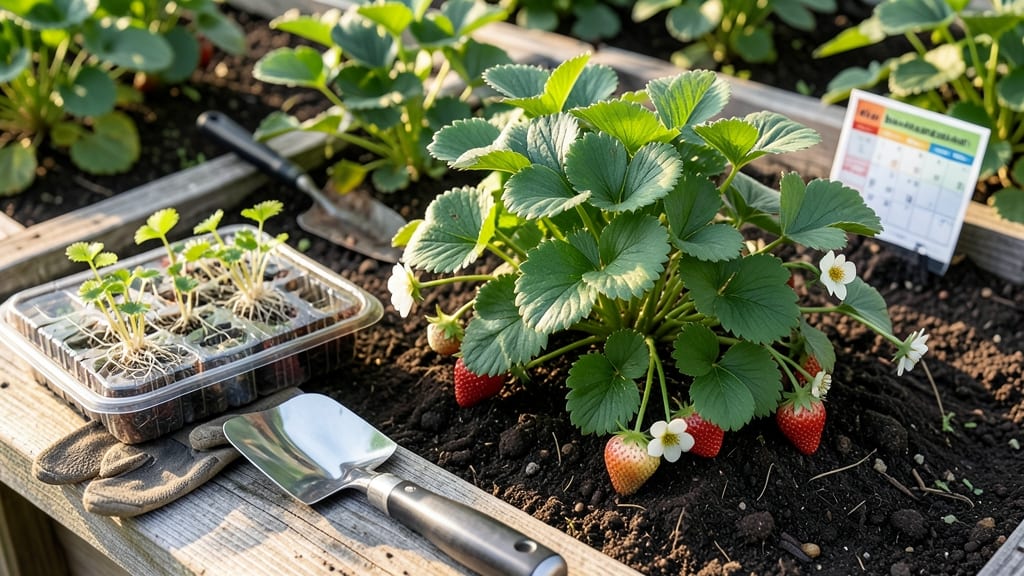
Timing your strawberry planting in Arkansas can mean the difference between a juicy, bountiful harvest and wasted effort—especially in zones 7a-8b where frost and heat play critical roles.
Whether you're a seasoned gardener or just starting with 🍓 plants, getting the dates right ensures your berries thrive when conditions are perfect.
Spring and fall are your two best windows, but Arkansas’s unpredictable weather throws a wrench into the plan. Plant too early, and a late frost could nip your crop in the bud; too late, and summer’s heat arrives before you even taste your first berry.
The key is knowing when soil temperatures rise and frost risks fade—typically late February to early April for spring or late July to early August for fall.
In this guide, I’ll break down the exact planting dates tailored to your zone, soil prep secrets, and how to adjust for Arkansas’s microclimates—whether you’re in the Delta’s humidity or the Ozarks’ cooler air.
You’ll also learn how to extend your harvest season and avoid common mistakes that rob gardeners of their sweetest rewards.
Ready to turn your backyard into a strawberry patch that rivals the grocery store? Let’s get those plants in the ground at the perfect moment for peak flavor and productivity—no guesswork required.
Arkansas strawberry planting dates by hardiness zone (6a, 6b, 7a)
Arkansas spans USDA zones 6a through 8b, but most strawberry growers focus on zones 6a, 6b, and 7a where frost risks are highest. The Ozark Mountains (zone 6a) face earlier frosts than the Delta region (zone 7a), so timing adjustments are critical.
I’ve planted strawberries in both zones and learned that fall planting often yields better results in Arkansas due to milder winters and fewer pest pressures.
For spring planting, aim for late February to early April—after the last average frost date (mid-March). In zone 6a (Ozarks), wait until late March to avoid frost damage.
Meanwhile, fall planting (late July to early August) gives strawberries time to establish roots before winter, with harvests in September-October before the first frost hits.
Microclimates matter! If you’re in low-lying areas (like the Delta), frost lingers longer—plant 2-3 weeks later than high elevations. Conversely, urban heat islands (e.g., Little Rock) can push planting dates 1-2 weeks earlier since soil warms faster. Always check your local Cooperative Extension Service frost maps for precision.
Here’s the key difference between Arkansas zones:
| Zone | Spring Planting Window | Fall Planting Window | Frost Risk | Best Varieties |
|---|---|---|---|---|
| 6a (Ozarks) | Late March–Early April | Late July–Early August | High (last frost: April 15) | Chandler, Jewel |
| 6b (Central AR) | Late February–Early March | Early July–Mid-August | Moderate (last frost: March 30) | Seascape, Albion |
| 7a (Delta) | Early February–Late March | Mid-June–Early August | Low (last frost: March 15) | Fort Laramie, Ozark Beauty |
Ever-bearing varieties like Seascape thrive in Arkansas’s warmer zones (7a), producing fruit in both spring and fall. In contrast, June-bearing types (Chandler) need full winter dormancy, making them ideal for zone 6a.
I’ve found that fall-planted everbearers often outperform spring plantings in Arkansas due to cooler autumn temperatures and fewer pests.
Soil temperature is just as critical as air temperature. Strawberries need soil temps above 40°F (4°C) to sprout. Use a soil thermometer to confirm—planting too early in cold soil stunts growth.
In zone 6a, I’ve seen delayed planting (April) yield 30% larger berries than early March plantings because the roots established better in warmer soil.
For container gardening, adjust dates by 1-2 weeks earlier since pots warm faster. Place containers in south-facing spots and use black plastic mulch to raise soil temps by 5-10°F.
I’ve grown strawberries in containers in Little Rock with successful harvests in May and October by starting seeds indoors in January.
Pro tip: If you miss the ideal planting window, try bare-root plants in late winter (February) or potted plants in early summer (June). Just be prepared for smaller yields if planted outside the optimal range.
Arkansas’s humid summers can stress strawberries, so shade cloth (30%) during peak heat (July-August) helps maintain quality.
🌱
Step-by-step guide: preparing soil and planting strawberries in Arkansas
Before you even think about planting strawberries, Arkansas’s clay-heavy soil and high humidity demand special prep. Your goal is well-draining, nutrient-rich soil with a pH between 5.5 and 6.5—strawberries are picky about acidity! Start by testing your soil’s pH with a kit from your local extension office.
If your soil tests too alkaline, amend it with sulfur or peat moss (follow package rates). For sandy soils common in the Delta, mix in 2-3 inches of compost or aged manure to retain moisture.
In the Ozarks, where soil drains quickly, add organic matter like leaf mold to improve water retention.
Now for the planting process. Arkansas’s June-bearing varieties (like 'Chandler') and everbearing types (like 'Albion') both thrive when planted at the crown level—never bury the crown or roots. Space plants 18-24 inches apart in rows 3 feet apart for easy harvesting and airflow.
🌱 Step-by-Step Planting Guide for Arkansas Strawberries
- Choose the right variety: Pick June-bearing for one big harvest or everbearing for smaller crops all season.
- Soil prep: Loosen soil 12 inches deep and mix in 2 inches of compost.
- Planting: Place crowns at soil level, roots spread out, and cover lightly with soil.
- Water deeply: Soak the soil 1-2 inches after planting to eliminate air pockets.
- Mulch: Apply 2-3 inches of straw (not hay) to retain moisture and deter weeds.
- Fertilize: Use 10-10-10 balanced fertilizer at planting and again after harvest.
Arkansas’s humid climate makes mulching a must. Use straw or pine needles (avoid wood chips, which can compact) to keep berries clean and reduce fungal diseases like gray mold. Mulch also insulates roots during hot summers and cool winters, protecting your plants year-round.
One Arkansas-specific tip: If you’re planting in low-lying areas (common in the Delta), avoid spots where cold air pools—these become frost traps. Instead, choose slightly elevated ground or raised beds for better drainage and warmth.
For container growing, use pots with drainage holes and place them in full sun.
After planting, water deeply in the morning to reduce fungal risks. Arkansas’s summer heat can dry out soil quickly, so check moisture daily—aim for 1-2 inches of water per week. With these steps, your strawberries will establish strong roots and reward you with sweet, juicy berries all season long!