
Plants
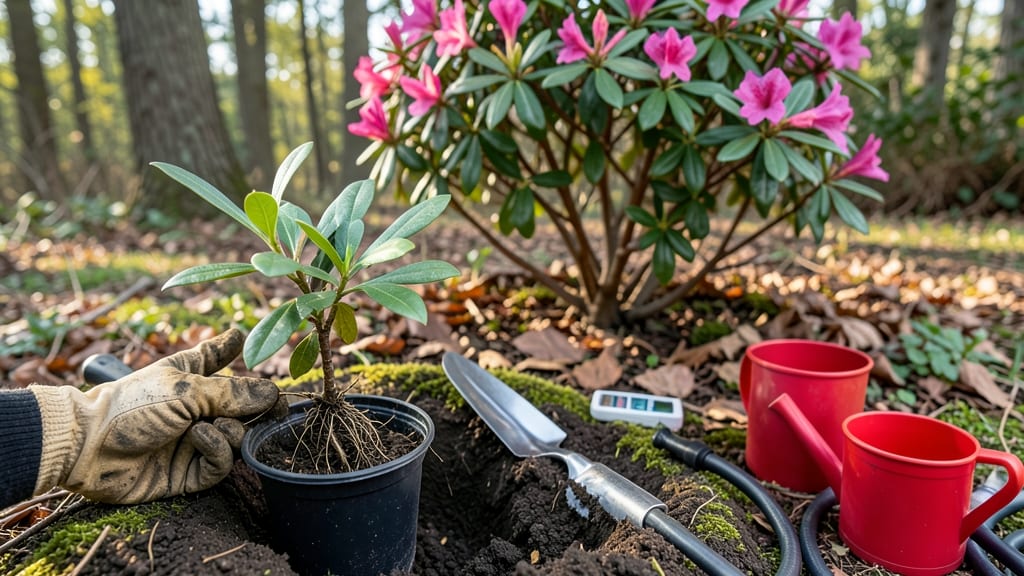
If you’ve ever stared at a bare patch of Texas soil wondering when to plant your azaleas 🌸, you’re not alone. The wrong timing can mean struggling plants or missed blooms—but get it right, and you’ll enjoy vibrant color for years.
Texas’s 8a-10b climate makes fall the sweet spot for azaleas, but regional differences mean North, Central, and South Texas each have their own ideal windows. Whether you’re in chilly Zone 8a or balmy Zone 10b, planting at the right time ensures strong roots before summer heat or winter frost.
I’ll break down the best months by region, plus soil prep secrets and watering tips to keep your azaleas thriving. Let’s get those roots in the ground the smart way—no guesswork, just gorgeous blooms.
Ready to transform your yard? The clock’s ticking—fall’s the perfect time to start. Let’s dive in.
Best months to plant azaleas in Texas by region (North vs. Central vs. South)
Texas' diverse climate means azaleas thrive in different planting windows depending on where you live. North Texas gardeners (like Dallas/Fort Worth) should aim for October through November, while Central Texas (Austin/San Antonio) thrives with November to December plantings. South Texas (Houston/Corpus Christi) can plant even later, from December through January—just before spring heat arrives.
These windows align with cooler temperatures and soil that's warm enough for root establishment.
Timing matters because azaleas hate summer heat stress. Planting too early in hot months means struggling to establish roots before 100°F+ temperatures arrive. Conversely, planting too late risks winter dormancy before roots can settle in.
The key is 6-8 weeks before your region’s first frost—giving roots time to grow without summer’s intensity.
Here’s how Texas’ USDA zones 8a-10b break down for azalea planting:
| Region | USDA Zone | Best Planting Months | Soil Temp Goal (°F) | Key Consideration |
|---|---|---|---|---|
| North Texas | 8a-9a | October–November | 60–70°F | Avoid summer heat; first frost ~December 1 |
| Central Texas | 8b-9b | November–December | 65–75°F | Longer growing season; plant after summer heat |
| South Texas | 9a-10b | December–January | 70–80°F | Mild winters; plant before spring heat |
For North Texas gardeners, aim to plant by November 15 to avoid winter dormancy before roots establish. In Central Texas, December is ideal—just before holiday crowds at nurseries! South Texas gardeners can even plant in early January, but avoid February when temperatures climb above 85°F.
Pro tip: Check your local cooperative extension service for precise frost dates. For example, Dallas (Zone 8a) has an average first frost on December 1, while Houston (Zone 9a) rarely sees frost. Use these dates to fine-tune your planting schedule for optimal root growth.
Azaleas also respond well to early spring plantings (February–March), especially in South and Central Texas. This gives them time to establish before summer’s heat. However, North Texas gardeners should stick to fall—spring plantings risk summer stress before roots can grow.
One common mistake? Planting azaleas in summer or late spring. The intense Texas sun and heat can shock young plants, leading to wilting or leaf scorch. Always prioritize cooler months when soil is warm but air temperatures are mild—perfect for root development.
Remember, azaleas are woodland plants that thrive in partial shade. In Texas’ heat, they’ll appreciate morning sun and afternoon shade. Pair your planting timeline with proper site selection to ensure your azaleas bloom beautifully for years to come. 🌸
Best months to plant azaleas in Texas by region (North vs. Central vs. South)
Texas’s diverse climate means North, Central, and South regions each have their own ideal planting windows for azaleas. In North Texas (Zone 8a), the coolest months—October through November—are perfect for planting before winter chill sets in.
Meanwhile, Central Texas (Zone 8b-9a) gardeners should aim for November to December, while South Texas (Zone 9b-10b) can plant as late as December to January to avoid summer heat stress.
These differences matter because azaleas need 6-8 weeks to establish roots before summer heat arrives. Planting too early in hotter regions can shock young roots, while waiting too late risks winter frost damage in colder zones. Let’s break down the best times by region to ensure your azaleas thrive.
| Region | USDA Zone | Best Planting Months | Key Considerations |
|---|---|---|---|
| North Texas | 8a | October–November | Avoid late planting; first frost can occur as early as December 1. |
| Central Texas | 8b-9a | November–December | Soil stays warm longer; plant before holiday crowds clear nurseries. |
| South Texas | 9b-10b | December–January | Extreme heat arrives by March; plant early to avoid stress. |
Beyond months, soil temperature is critical. Azaleas prefer soil between 60-70°F for root growth. In North Texas, soil cools to this range by late October, while South Texas may need to wait until December. Use a soil thermometer to check—if temps drop below 50°F, roots may struggle to establish.
For gardeners in transition zones (like Austin or San Antonio), aim for early November. This gives roots time to settle before winter rains or summer’s intense heat. Pro tip: Container-grown azaleas can handle slightly later planting, as their roots stay warmer in pots.
If you miss fall, early spring (February–March) is your second chance. Just be sure to water deeply after planting to help roots recover from winter dormancy. Spring-planted azaleas may bloom slightly later but will still thrive with proper care.
Timing isn’t just about months—it’s about microclimates. A north-facing yard stays cooler longer, while a south-facing spot heats up faster. Observe your space: if your garden gets hotter than average, plant on the earlier side of the recommended window.
Your azaleas will thank you with vibrant blooms next spring.