
Plants
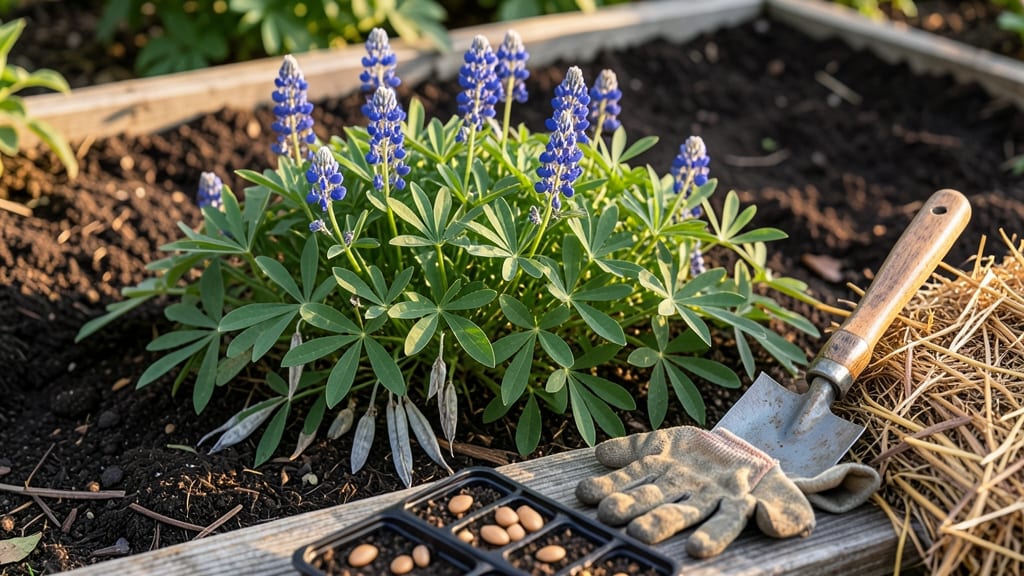
If you’ve ever dreamed of waking up to a sea of blue blanketing your North Texas landscape, timing your bluebonnet planting is the game-changer. Plant too soon, and frost will steal your showstopper blooms; too late, and you’ll miss the iconic spring display that makes Texas famous.
The secret? Planting between late September and early November—when soil temps drop but before winter sets in.
Why does this window matter? Bluebonnets 🌸 need 60-90 days of winter chilling to trigger those vibrant blooms, but they’re not frost-hardy once they sprout. In zones 7b-8a, late fall gives them just enough time to establish roots before dormancy—without risking early freezes.
Skip this timing, and you’ll end up with patchy, weak growth or no flowers at all.
I’ve seen firsthand how a well-timed planting transforms a yard into a postcard-worthy blue paradise by April. But here’s the kicker: it’s not just about when—it’s about how. From soil prep to seed spacing, small details make all the difference.
Let’s break down the exact steps to ensure your bluebonnets don’t just survive, but thrive and put on a show that’ll have your neighbors asking for tips.
Ready to turn your North Texas soil into a bluebonnet haven? The clock’s ticking—these wildflowers won’t wait forever. Grab your gloves, and let’s get those seeds in the ground the right way for a spring that’ll make your landscape the talk of the neighborhood.
Best months to plant bluebonnets in North Texas for peak blooms
Timing is everything when planting bluebonnets in North Texas. These Texas state wildflowers thrive when sown during the ideal window of late September to early November. This timing aligns with soil temperatures that trigger germination while avoiding early frost risks that can kill young seedlings.
North Texas spans USDA zones 7b-8a, where frost dates vary significantly. In Amarillo (zone 7b), the last frost typically arrives by mid-November, while San Antonio (zone 8a) may see frost as late as mid-December.
Planting too early in colder areas risks seedling death from frost, while planting too late may delay blooms until summer.
Here’s the science behind the timing: Bluebonnets need 60-90 days of cold stratification to break dormancy. Planting in October ensures seeds experience natural winter chilling while still allowing time for roots to establish before frost. This balance guarantees vibrant spring blooms from March to May.
If you miss the fall window, you can plant in early spring (February), but expect smaller blooms and delayed flowering. Spring-planted seeds skip the natural stratification process, often resulting in weaker growth.
🌱 North Texas Bluebonnet Planting Comparison
| Planting Window | Best For | Bloom Time | Frost Risk | Notes |
|---|---|---|---|---|
| Late September - Early November | Full sun, well-drained soil | March - May | Low (roots established) | Ideal for vibrant blooms |
| Early February | Partial shade, moist soil | May - June | None | Smaller blooms, delayed |
| December (late) | Frost-tolerant areas (8a) | April - May | Moderate (early frost) | Risk of winterkill |
For maximum bluebonnet success, aim to plant seeds 4-6 weeks before your area’s first frost. Check your local frost dates—most North Texas cities fall between mid-November and mid-December.
For example, Dallas (zone 8a) typically sees its first frost around November 25th, so planting by October 15th ensures safety.
Pro tip: Scatter seeds directly on prepared soil without covering them. Bluebonnets need light to germinate, and burying seeds too deep can prevent sprouting. After planting, water lightly to settle the soil and keep seeds moist until germination.
North Texas’ variable rainfall adds another layer of complexity. Plant in dry conditions to avoid soil compaction, which can smother seeds. If your area experiences drought-like conditions in fall, water seeds every 3-4 days until the ground freezes.
Once established, bluebonnets are drought-tolerant, but young seedlings need consistent moisture. Mulch lightly with straw or leaves to retain soil moisture and protect seeds from winter winds. Remove mulch in early spring to allow sunlight to reach emerging seedlings.
Remember, patience is key—bluebonnets may take 2-3 years to reach their full blue carpet effect. But with the right planting timing, you’ll enjoy stunning spring displays for decades. Plant now, and let North Texas’ wildflower magic begin! 🌸
Best months to plant bluebonnets in North Texas for peak blooms
North Texas gardeners know bluebonnets (Lupinus texensis) are the state flower for a reason—they create breathtaking blue carpets across fields and roadsides. But to achieve that iconic Texas spring display, you must plant at the perfect time.
The optimal window for North Texas is late September through early November, when soil temperatures drop below 70°F but before hard frosts arrive.
This timing ensures seeds undergo natural stratification—a cold period that breaks seed dormancy—while avoiding early frost damage. In USDA Zones 7b-8a, which cover most of North Texas, bluebonnets need 60-90 days of cool weather before blooming. Planting outside this window risks poor germination or weak growth.
| Planting Window | Soil Temp (°F) | Frost Risk | Bloom Time |
|---|---|---|---|
| Late September | 70-65°F | Low (early frost rare) | April-May |
| October | 65-55°F | Moderate (frost possible late month) | April-May |
| Early November | 55-45°F | High (frost likely) | April-May (may be delayed) |
| Best Window | 60-55°F | Low-Moderate | April-May |
If you miss the fall window, you can try planting in early spring (February-March), but this method is less reliable because seeds won’t get the natural cold treatment. Spring-planted seeds often produce sparser blooms or bloom later.
For the most vibrant, reliable displays, stick to fall planting—especially in October, which offers the best balance of cool soil and low frost risk.
North Texas’ variable rainfall also plays a role. Planting in October ensures seeds germinate after the first fall rains but before the winter drought sets in. If you’re in drier areas like Lubbock or Amarillo, aim for late September to catch early rains.
In wetter regions like Denton or College Station, early October works best to avoid waterlogged soil.
Pro tip: Check your local frost dates. Most of North Texas sees its first frost around mid-November, so plant no later than early November to avoid frost damage to young seedlings.
For guaranteed success, mark your calendar for October 1st—this is the sweet spot for bluebonnet planting in North Texas.
Once planted, bluebonnets are low-maintenance, but timing is everything. The 6-week window between late September and early November gives you the best chance to see those vibrant blue blooms next spring. Don’t wait—your future bluebonnet meadow starts with the right timing! 🌸