
Plants
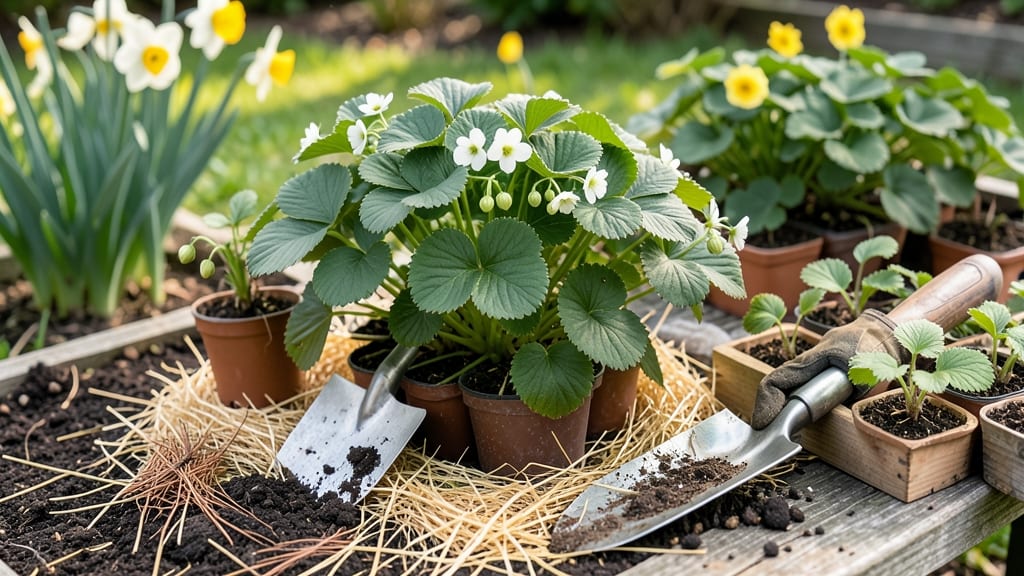
Timing your strawberry planting in Virginia can make or break your harvest—miss the window, and you might end up with half the yield or none at all. With Virginia’s 7a-8a zones offering everything from coastal humidity to mountain chill, knowing the right moment matters more than you’d think.
Most gardeners in Virginia plant 🍓 in early spring (March–April) or early fall (September–October), but whether you’re growing June-bearing or everbearing varieties changes everything. The key is avoiding frost while giving roots time to establish before summer heat arrives.
In this guide, I’ll break down the exact planting windows for your region, including soil prep tips and how to choose between bare-root plants and potted varieties. Whether you’re in the Tidewater or the Shenandoah Valley, you’ll learn how to set your strawberries up for a bountiful harvest.
Ready to turn your garden into a strawberry powerhouse? Let’s get started with the timing that works for Virginia’s unique climate.
Virginia’s strawberry planting zones: June-bearing vs everbearing timing by region
Virginia’s diverse climate zones—from the coastal Tidewater to the Appalachian Mountains—mean your strawberry planting window depends heavily on where you live. Most gardeners in USDA zones 5b-8a can grow strawberries, but the best planting months shift based on your microclimate and strawberry type.
If you’re growing June-bearing varieties (like Chandler or Jewel), your planting window is narrow—typically early spring (March to early April) or early fall (September to October). Everbearing varieties (such as Albion or Seascape) offer more flexibility, thriving with fall plantings and producing fruit in both spring and fall.
The Tidewater region (zones 7b-8a) enjoys warmer winters, allowing gardeners to plant bare-root strawberries as late as early April or even late September.
In contrast, Piedmont gardeners (zones 6b-7a) should aim for March planting to avoid late spring frosts, while mountain zones (5b-6a) benefit from fall plantings to establish roots before winter.
Here’s how Virginia’s three main regions break down for optimal strawberry planting:
| Region | USDA Zone | Best Planting Window | June-Bearing Notes | Everbearing Notes |
|---|---|---|---|---|
| Tidewater | 7b-8a | Early April or late September | Longer growing season; plant early spring for summer harvest. | Fall plantings yield spring and fall fruit. |
| Piedmont | 6b-7a | March or September-October | Avoid late frosts; mulch heavily in winter. | Fall plantings thrive with winter mulch protection. |
| Mountains | 5b-6a | Late March or September | Shorter season; prioritize cold-hardy varieties. | Fall plantings establish roots before winter dormancy. |
For June-bearing strawberries, the spring planting window is critical—plant too early, and cold soil can stunt root growth.
Aim for soil temperatures above 40°F (use a soil thermometer to check). Everbearing varieties, however, are more forgiving and can handle fall plantings as long as they’re established 4-6 weeks before frost.
In urban areas, like Richmond or Norfolk, heat islands can push planting dates slightly later.
If you’re unsure about your exact last frost date, check the Virginia Cooperative Extension’s frost maps or use a local weather app for real-time updates. Bare-root plants are ideal for spring, while potted varieties work well for fall plantings.
Pro tip: If you’re in zone 7a or warmer, you can even try two harvests per year—plant June-bearing in spring for a summer crop and everbearing in fall for a winter-to-spring harvest. Just be prepared for weed competition in warmer months!
Regardless of your region, always amend your soil with compost or aged manure before planting. Strawberries thrive in slightly acidic soil (pH 5.5-6.5), so test your soil and adjust with lime or sulfur if needed. A well-draining bed with mulch will keep roots cool and berries clean.
Now that you’ve got your planting window locked in, the next step is ensuring your soil and site are ready. Full sun (6+ hours daily) and consistent moisture are non-negotiable for Virginia’s strawberry success—we’ll cover those critical factors in the next section.
Critical factors that determine your exact planting date in Virginia
Planting strawberries in Virginia isn’t just about picking a month—it’s about reading your local climate like a gardening pro. The last average frost date (typically mid-March in most zones) sets your spring planting deadline, but soil temperature and chilling hours matter just as much.
For June-bearing varieties, aim for 40-50°F soil at least 6 inches deep, while everbearing types can handle slightly cooler soils.
Use Virginia Cooperative Extension’s frost maps to pinpoint your exact zone—Zone 5a (mountains) needs earlier planting than Zone 8a (Tidewater). Pro tip: Check soil temperature with a digital probe (or your finger—cool but workable feels like a chilly morning).
If your soil’s below 40°F, wait a week or two, or use black plastic mulch to warm it faster.
Don’t overlook chilling hours—most Virginia strawberries need 500-1,000 hours below 45°F to fruit well. June-bearing varieties (like Chandler) thrive with full chilling, while everbearing types (like Seascape) adapt better to partial chilling.
If you’re in Zone 7b+, everbearing may produce two harvests per year—spring and fall!
| Factor | Virginia Requirement | Actionable Tip |
|---|---|---|
| Last Frost Date | Mid-March (varies by zone) | Plant 2-3 weeks after last frost for spring. |
| Soil Temperature | 40-50°F (6" deep) | Use black plastic mulch to warm soil faster. |
| Chilling Hours | 500-1,000 hrs below 45°F | Zone 7b+? Choose everbearing for partial chilling. |
| Fall Planting Window | September-October | Aim for 6-8 weeks before first frost. |
For fall planting (September-October), focus on soil prep—strawberries hate soggy roots. Test your soil’s pH (5.5-6.8) and amend with compost or peat moss if needed. In Zone 5a, cover plants with straw mulch (4-6 inches) by late October to protect from early frosts.
Everbearing varieties planted in fall may yield small berries next spring, but they’ll produce heavily in fall of the following year.
Need real-time data? Bookmark the Virginia State Climate Office or use apps like PlantNet to track local frost dates. Urban gardeners in Richmond or Norfolk often plant 2 weeks earlier than rural areas due to heat island effect.
Always plant bare-root crowns (not potted) in Virginia—they establish faster in our well-draining soils.
Remember: Early spring planting gives June-bearing varieties time to establish roots before fruiting, while fall planting lets everbearing types overwinter and fruit earlier. Adjust for your microclimate—if you’re in the Blue Ridge Mountains, plant 3 weeks earlier than Tidewater gardeners.
Timing isn’t just about the calendar; it’s about listening to your land.