
Flowers
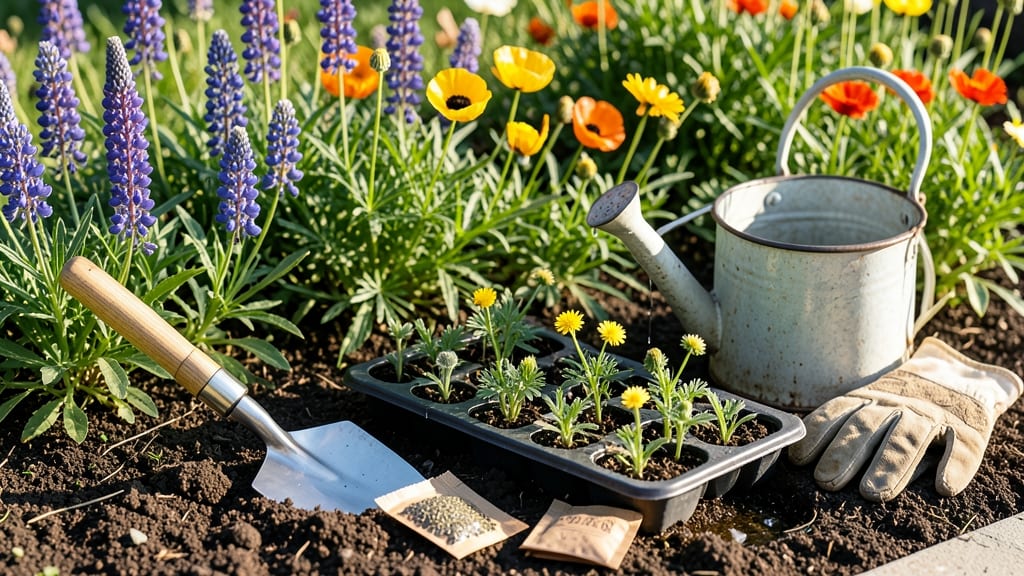
California flower planting calendar by region: coastal vs. desert timing
California’s microclimates create dramatic differences in flower planting schedules. Coastal areas like San Francisco enjoy mild winters, while desert regions near Palm Springs experience intense summer heat. Understanding your USDA zone (5-10) and last frost dates is key to timing plantings for vibrant blooms.
Most annual flowers thrive when planted 2-4 weeks before the last frost in your area. Perennials and bulbs often need even earlier prep—sometimes 6-8 weeks out—to establish roots. Let’s break down the best planting windows for California’s four main regions.
🌸 California Flower Planting Calendar by Region
| Region | Last Frost | Best Planting Window | Notes |
|---|---|---|---|
| Northern California (e.g., San Francisco) | Dec 15 - Jan 15 | Year-round (coastal); Fall-Winter (bulbs) | Mild winters; tulips and daffodils planted Oct-Nov. |
| Central Coast (e.g., Monterey) | Jan 1 - Feb 1 | Fall (Sept-Nov) & Spring (Mar-Apr) | Cooler summers; petunias and geraniums thrive. |
| Southern California (e.g., Los Angeles) | None (Zone 10) | Year-round (with seasonal adjustments) | Avoid summer heat; marigolds and zinnias planted Feb-Mar. |
| Desert (e.g., Palm Springs) | Nov 15 - Dec 15 | Fall (Sept-Oct) & Winter (Jan-Feb) | Drought-tolerant lavender and yucca planted Oct-Nov. |
In Northern California, where frost dates range from December to January, focus on fall planting for bulbs like tulips and hyacinths. These cool-season flowers need time to root before winter chills. Spring planting (March-April) works well for annuals like pansies and snapdragons, which bloom until summer.
For the Central Coast, where frost dates are later (January-February), you can extend your planting season into early spring. Marigolds and petunias thrive in this region’s mild summers and cool winters. Plant perennials like lavender in fall for year-round color.
The desert regions of California (like the Mojave Desert) have intense heat and low rainfall, making fall planting (September-October) ideal. Drought-tolerant flowers like yucca and agave should be planted before summer heat arrives. Avoid planting in summer months unless you’re using shade cloth.
In Southern California, where frost is rare, you can plant flowers year-round. However, summer heat (June-August) can stress tender annuals. Opt for heat-loving flowers like portulaca and zinnia, which thrive in full sun and dry conditions.
Plant cool-season flowers like pansies in fall for winter blooms.
Regardless of your California region, always check the moon phase for planting—root crops and bulbs grow best during a waxing moon, while leafy plants thrive during a waning moon. This ancient practice aligns with natural growth cycles for healthier plants.
Pro tip: Use mulch after planting to retain moisture and regulate soil temperature. In coastal areas, mulch helps prevent soil erosion from winter rains, while in desert regions, it reduces water evaporation.
🌱 Remember, microclimates within your region can shift planting times by weeks. If you live near the coast, you’ll have longer growing seasons than
Best flowers to plant in each California climate zone
California’s microclimates create perfect conditions for diverse flower varieties. Whether you’re in coastal fog belts, Central Valley heat, or desert oases, choosing the right flowers ensures vibrant blooms year-round. Let’s explore the top picks for each zone.
Coastal areas thrive with frost-resistant annuals like pansies and sweet peas, while perennials like lavender and roses love the mild winters. Inland zones favor heat-tolerant flowers such as sunflowers and zinnias, while desert gardens shine with drought-proof succulents and cacti blooms.
🌸 Top Flowers by California Climate Zone
- 🌿 Coastal (Zones 7-10): Pansies, Sweet Peas, Foxgloves, Dahlias, Lavender
- ☀️ Central Valley (Zones 8-9): Sunflowers, Zinnias, Marigolds, Geraniums, Coneflowers
- 🏜️ Desert (Zones 9-11): Succulents (Echeveria), Cacti (Barrel Cactus), Agave, Yucca, Desert Marigold
For coastal gardens, pansies and foxgloves bloom beautifully in cool, damp winters, while dahlias thrive in summer’s gentle warmth. These flowers love partial shade and consistent moisture, making them ideal for San Francisco or Monterey gardens.
Plant pansies in fall for spring color and dahlias in late spring to avoid early frost.
Inland Central Valley gardens bask in hot summers and mild winters, perfect for sun-loving annuals. Sunflowers and zinnias burst with color when planted in early spring or late summer to escape peak heat stress.
Pair them with drought-tolerant perennials like coneflowers for low-maintenance beauty. These flowers thrive with full sun and well-draining soil, ideal for Sacramento or Fresno gardens.
Desert regions demand water-wise wonders like succulents and cacti, which store moisture in their thick leaves and stems. Plant echeveria or agave in fall or winter to establish roots before scorching summers. Desert marigolds add bright pops of color while requiring minimal water.
These plants love gritty, sandy soil and full sun exposure, perfect for Palm Springs or Joshua Tree landscapes.
Urban gardens face unique challenges like heat islands and limited space, but container-friendly flowers like petunias and geraniums thrive in pots on balconies. Adjust planting times by 1-2 weeks earlier in cities to account for warmer microclimates. Always check local frost dates and watering needs to keep your urban blooms happy.
Seasonal swaps keep your garden vibrant. Replace spring bulbs like tulips with fall chrysanthemums as temperatures drop. In desert zones, summer dormancy is normal—focus on watering deeply before monsoon rains arrive. With the right flower choices and planting timing, your California garden can bloom beautifully year-round!
🌻