
Plants
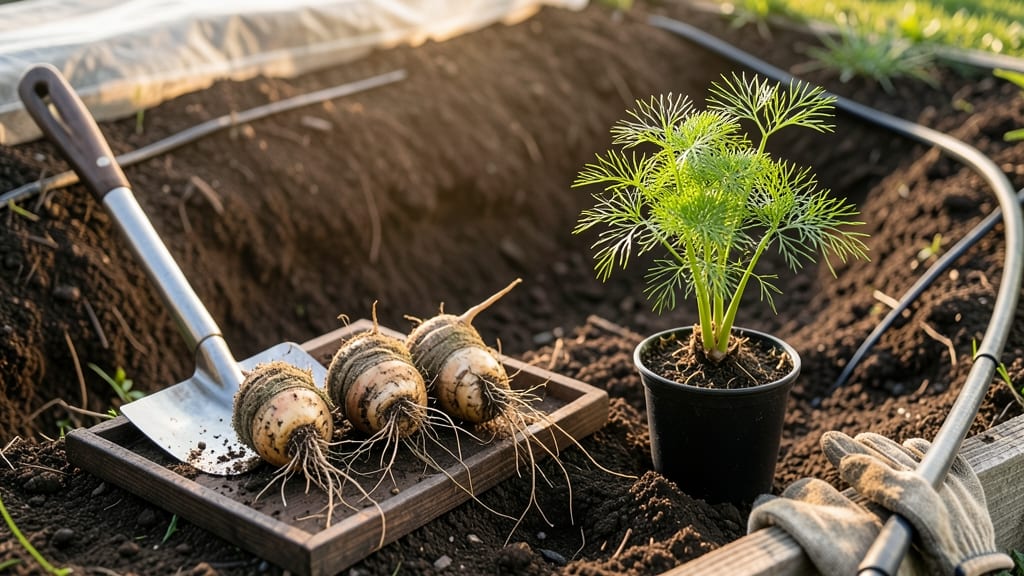
If you've ever dreamed of harvesting fresh 🌱 asparagus from your Zone 8 garden, when to plant asparagus in zone 8 is the secret weapon you can't afford to miss.
Planting asparagus at the wrong time means frost damage or stunted growth, while perfect timing unlocks a 10-year harvest of tender spears.
The ideal window for planting asparagus in Zone 8 is narrow but crucial: late winter to early spring, when soil temperatures hover around 50°F. This timing lets young roots establish before summer heat arrives, setting the stage for your first harvest in year three.
Skipping this window risks weak plants that struggle to survive Zone 8's hot summers.
What makes this even more exciting? The right varieties thrive in Zone 8's climate, like 'Mary Washington' or 'Jersey Knight', which handle our 15°F dips without breaking a sweat. I'll walk you through exactly which months work best and how to prepare your soil for maximum success.
Ready to transform your garden into an asparagus powerhouse? Let's dive into the exact steps that'll have you harvesting spears by spring 2025—no guesswork, just proven results for Zone 8 gardeners like you.
Best planting months for asparagus in Zone 8 (with frost date guide)
Timing your asparagus planting in Zone 8 is all about avoiding frost while giving roots time to establish. The ideal window is late winter to early spring, when soil temperatures hover around 50°F (10°C)—warm enough to prevent shock but cool enough to slow early growth.
In most of Zone 8, this means planting between February and March, but exact dates depend on your last frost date.
For example, if your area’s average last frost falls on January 15, aim for planting in late February to ensure crowns don’t sprout too early. Conversely, if frost lingers until March 1, wait until mid-March to plant.
Early planting risks frost damage to tender shoots, while late planting delays your first harvest by a year.
Here’s the Zone 8 frost guide to help you calculate your perfect planting window. Most of Zone 8 experiences its last frost between January 15 and February 15, with first frosts arriving November 15 to December 15.
Planting 4-6 weeks before your last frost gives roots time to establish before active growth begins.
| Stage | Action | Zone 8 Timing |
|---|---|---|
| Soil Prep | Amend soil with compost, adjust pH to 6.5-7.5 | October-November (fall) or February (spring) |
| Plant Crowns | 6-8" deep, 12-18" apart in trenches | February-March (after last frost risk) |
| First Growth | Foliage only (no harvest) | Spring (Year 1-2) |
| First Harvest | Spears 6-8" tall, tightly closed | Spring (Year 3) |
| Peak Yield | Continuous harvest for 6-8 weeks | Spring (Years 4-10+) |
🌱 Pro Tip: Use a soil thermometer to confirm 50°F (10°C) soil temps before planting.
If you miss the spring window, you can plant asparagus in early fall (October), but this is riskier in Zone 8 due to shorter frost-free seasons. Fall-planted crowns need 6-8 weeks to establish roots before winter dormancy.
Test your soil’s readiness by pushing a thermometer into the ground—if it’s below 50°F (10°C), wait until spring.
Another key factor is soil drainage. Asparagus hates soggy roots, so avoid planting in low spots where water pools. Amend heavy clay soil with sand or compost to improve aeration.
In Zone 8’s humid summers, well-draining soil prevents root rot, which can kill your crop before it even matures.
For gardeners in southern Zone 8 (e.g., Orlando, Tampa), where last frosts are as late as March 1, you can push planting into early April. However, this delays your first harvest by a year.
In northern Zone 8 (e.g., Dallas, Little Rock), planting in late February ensures you’re ready for growth by early spring.
Once planted, asparagus crowns take 2-3 years to mature, but proper timing in Zone 8 ensures you’re not fighting frost or heat stress. The payoff? A perennial harvest for 10+ years with minimal replanting.
Just remember: patience is key—no harvests in the first two years, but the wait is worth it for fresh, homegrown spears.
To track your local frost dates, check the USDA Plant Hardiness Zone Map or use a frost calendar app like Old Farmer’s Almanac. Mark your calendar for February 15 as your target planting date, then adjust based on your area’s microclimate.
With the right timing, your asparagus will thrive in Zone 8’s warm winters and hot summers.
After planting, focus on mulching to retain moisture and regulate soil temperature. Use straw or wood chips to protect crowns from extreme heat or cold, especially in Zone 8’s unpredictable spring weather. A thick mulch layer also suppresses weeds, reducing competition for nutrients.
Top 5 cold-hardy asparagus varieties for Zone 8 gardens (ranked by yield & disease resistance)
Choosing the right asparagus variety for Zone 8 means selecting plants that thrive in our hot summers and mild winters. The best varieties handle 15°F dips without damage and produce high yields for 10+ years.
I’ve ranked these top 5 based on disease resistance, harvest window, and adaptability to Zone 8’s climate.
Start with 'Mary Washington', the classic green asparagus that’s a staple in Zone 8 gardens. It delivers thick, tender spears and handles our heat waves better than most. Next, 'Jersey Knight' stands out for its rust resistance, a must-have for humid Zone 8 summers.
These varieties won’t just survive—they’ll thrive and reward you with years of harvests.
Don’t overlook 'Purple Passion' for a unique twist. Its vibrant purple spears add color to your plate, and it’s just as cold-hardy as the greens. 'Pacific 2000' is another top pick, offering earlier harvests and longer spear production—perfect if you’re eager to enjoy your garden’s bounty sooner.
Finally, 'Millennium' impresses with its disease resistance and compact growth, ideal for smaller spaces.
When selecting your variety, prioritize disease resistance—Zone 8’s humidity can invite rust and crown rot. 'Jersey Knight' and 'Millennium' are my top recommendations for their built-in defenses.
For colorful spears, 'Purple Passion' adds a stunning visual appeal while maintaining cold tolerance. If you’re short on space, 'Pacific 2000' delivers earlier harvests without sacrificing yield.
Pro tip: Order crowns from a reputable supplier in late winter to plant in March. Healthy crowns with firm roots and no signs of mold or rot are key to a successful start.
Once planted, these varieties will reward you with spears for a decade—just give them full sun and well-draining soil.
Ready to pick your perfect match? Grab your gloves and crowns, and let’s get planting for a harvest that’ll make your neighbors jealous. Your Zone 8 asparagus patch is about to become the star of your garden!