
Plants
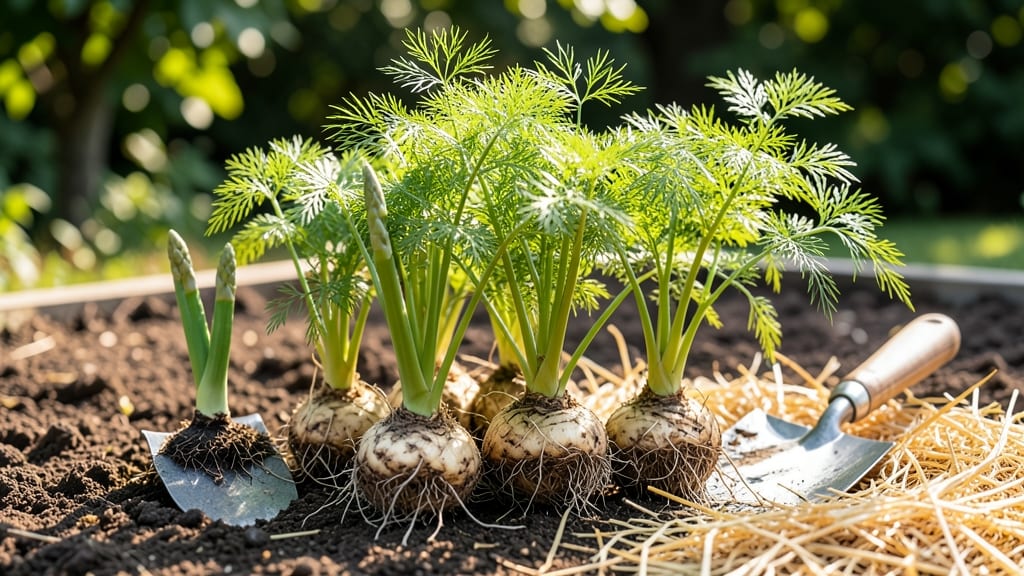
If you're dreaming of a bountiful asparagus harvest in Louisiana, timing is everything—plant too early or too late, and you might end up with stunted plants or even total failure.
The humid climate here actually works in your favor when you know the right window to get those crowns in the ground.
Most gardeners in USDA zones 8a-9b swear by late winter to early spring planting, but Louisiana’s warm winters and long growing season mean you’ve got more flexibility than you think.
Whether you’re in New Orleans or inland near Shreveport, the key is understanding how your local microclimate affects soil temperatures and frost risks.
I’ll walk you through the exact months to plant for maximum success, plus how to prepare your soil and protect your young plants from Louisiana’s heat and humidity. By the end, you’ll know exactly when to start so you can enjoy fresh spears year after year.
Ready to turn your garden into an asparagus powerhouse? Let’s dive into the perfect planting schedule tailored just for Louisiana’s unique growing conditions.
Best planting months for asparagus in Louisiana’s humid climate
Louisiana’s USDA Zones 8a-9b offer a longer growing season than most northern states, but the humid subtropical climate means asparagus needs precise timing to thrive. Unlike cooler regions, Louisiana gardeners can plant asparagus twice a year—spring and fall—with spring being the optimal window for maximum yield.
The ideal planting months are February through early April, when soil temperatures hover between 50°F and 70°F. This range allows asparagus crowns to establish roots before the summer heat sets in.
Coastal areas like New Orleans may start as early as January, while inland regions like Shreveport should wait until late February to avoid early-season frost risks.
Fall planting is possible but riskier due to hurricane season and soil saturation from late rains. If attempting fall planting, stick to October—giving crowns time to root before first frost (mid-November to early December). However, spring planting yields better survival rates and larger harvests in Louisiana’s climate.
Here’s how Louisiana’s microclimates affect timing:
| Region | Best Planting Window | Soil Temp Threshold | Key Consideration |
|---|---|---|---|
| Coastal (New Orleans, Lafourche Parish) | January–March | 50°F–70°F | Warmer winters; avoid saltwater intrusion near coast. |
| Central (Baton Rouge, Lafayette) | February–early April | 55°F–65°F | Balanced humidity; monitor for fungal diseases. |
| Northwest (Shreveport, Monroe) | Late February–March | 50°F–60°F | Cooler nights; watch for late frosts. |
| Fall Planting (All Regions) | October (high risk) | 60°F–70°F | Hurricane risk; soil may stay too wet. |
For spring planting, aim to get crowns in the ground 4–6 weeks before the last frost (mid-February to early March). This gives roots time to establish before summer’s intense heat and humidity peak.
In Zone 9b (southern Louisiana), you can even plant as late as early April, but yields may be smaller.
Soil temperature is critical: Asparagus crowns rot if planted in cold, wet soil. Use a soil thermometer to confirm temps are above 50°F at a 6-inch depth. In Louisiana’s clay-heavy soils, amending with compost or sand improves drainage and warms the soil faster.
Pro tip: Mulch heavily after planting to retain moisture and regulate soil temperature. In Louisiana’s heat, mulch also suppresses weeds and reduces evaporation. Use straw or pine needles—they break down slowly and won’t compact like grass clippings.
If you’re in a hurricane-prone coastal area, consider raised beds to avoid waterlogging. Asparagus hates soggy roots, and Louisiana’s summer rains can turn gardens into mud pits. Elevated beds also warm up faster in early spring, giving your crop a head start.
Remember, asparagus is a perennial—once established, it can produce for 15–20 years. Getting the planting timing right in Louisiana’s climate ensures your first harvest in year 2 or 3 (not year 1, as with annuals). Patience pays off with juicy, homegrown spears for decades!
Best planting months for asparagus in Louisiana’s humid climate
Louisiana’s warm winters and long growing season give you a wider window for planting asparagus than in colder states.
Unlike northern gardeners who plant in early spring, you can start as early as late February or as late as early April—but timing matters to avoid stunted growth or fungal issues from humidity.
The ideal planting window is when soil temperatures reach 50°F (10°C) and stay consistent. In most of Louisiana, this happens between mid-February and March, just before the heat of summer sets in.
Coastal areas like New Orleans may see slightly earlier soil warming, while inland regions like Shreveport might need to wait until late March.
Here’s how to align your planting with Louisiana’s microclimates for maximum success:
| Region | Best Planting Month | Soil Temp Threshold | Key Consideration |
|---|---|---|---|
| New Orleans (Coastal) | Late February - Early March | 50°F (10°C) | Warmer soils earlier; watch for hurricane season prep. |
| Baton Rouge (Central) | Mid-March | 50°F (10°C) | Balanced humidity; ideal for crown planting. |
| Shreveport (Northwest) | Late March - Early April | 55°F (13°C) | Cooler nights; extend mulch for heat retention. |
| All Regions | Avoid May+ | N/A | Summer heat stresses young plants; fungal risks rise. |
If you miss the ideal window, spring planting in April can still work, but expect a delayed first harvest. The key is to avoid planting after May, when Louisiana’s summer heat and humidity can stress young asparagus crowns, leading to poor establishment.
Pro tip: Use a soil thermometer to confirm temperatures before planting—this small tool saves you from guessing and ensures your asparagus gets off to the right start in Louisiana’s unpredictable climate.
Once you’ve nailed the timing, the next step is preparing your soil and planting those crowns correctly. But first, let’s address a common question: Can you plant asparagus in fall? The short answer is no—Louisiana’s mild winters aren’t cold enough for fall dormancy benefits, and the humidity increases fungal risks.
Stick to late winter/early spring for best results.