
Plants
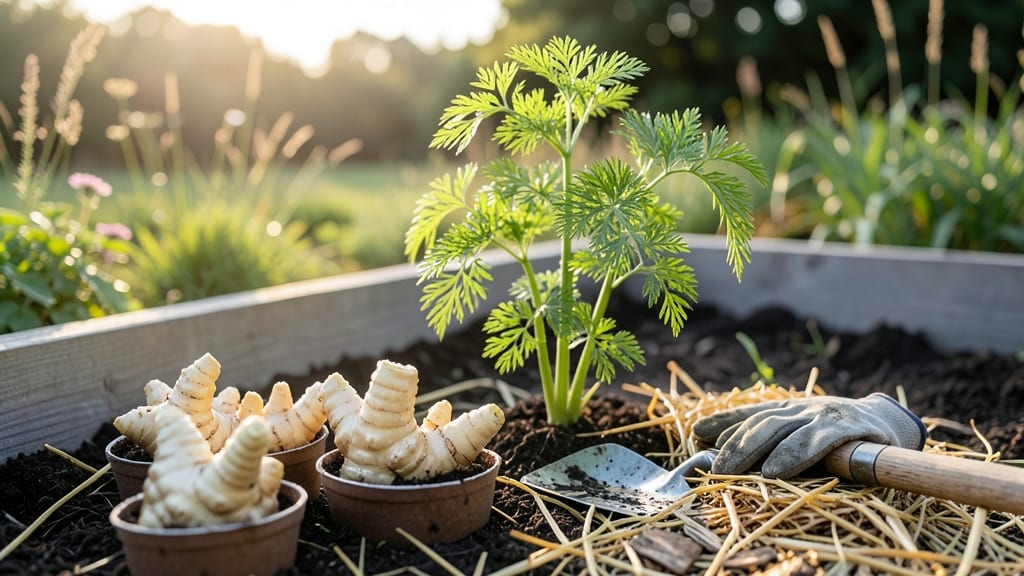
Timing your asparagus planting in Massachusetts could mean the difference between a failed crop and years of fresh harvests. This hardy perennial thrives when planted in early spring—just as the soil warms but before the last frost bites.
Miss that window, and you risk stunted growth or worse, lost crowns.
In Zone 6a, where Massachusetts falls, the ideal planting window opens in March and stretches into early April. This gives your 🌱 asparagus crowns time to establish roots before summer heat sets in.
Planting too early risks frost damage, while waiting too long may delay your first harvest until the third year.
Whether you're starting with crowns or seeds, the key is preparation: well-drained soil, proper spacing, and protection from late frosts. I’ll walk you through the exact steps to set your asparagus up for success—so you can enjoy those tender spears by next May or June.
Let’s dive into the perfect planting schedule, soil prep tips, and how to avoid common mistakes that trip up even experienced gardeners. Your future harvest starts now.
Optimal Massachusetts asparagus planting dates by frost Zone
Massachusetts spans USDA Zones 5b-6b, where the last frost typically arrives between mid-April and early May. To maximize your asparagus harvest, aim to plant 6-8 weeks before that date—usually early March to early April.
This window ensures roots establish before summer heat arrives, while avoiding frost damage to young shoots.
For Zone 6a (most of Massachusetts), the sweet spot is March 15-April 1. In colder Zone 5b areas (like the Berkshires), push planting to late March to early April to wait out lingering cold snaps.
Planting too early risks crown rot from wet soil, while late planting delays harvests by a year or more.
Asparagus crowns (not seeds) are the best choice for Massachusetts gardeners—they establish faster and yield sooner. If you opt for seeds, plant them 6-8 weeks before your last frost date (typically late February to early March) in a protected indoor setup, then transplant seedlings outdoors in early spring.
Here’s the exact planting timeline based on Massachusetts frost patterns:
| Zone | Last Frost | Ideal Planting Window | Soil Temp | Harvest Year |
|---|---|---|---|---|
| 5b (e.g., Berkshires) | Late April | Late March–Early April | 45–55°F | Year 3 |
| 6a (e.g., Boston, Worcester) | Mid-April | March 15–April 1 | 45–55°F | Year 2–3 |
| 6b (e.g., Cape Cod) | Early April | March 1–March 15 | 45–55°F | Year 2 |
Soil temperature is critical—wait until it reaches 45–55°F at a 6-inch depth. Use a soil thermometer to check; planting in cold soil stunts root growth. In Zone 6a, this usually aligns with late March, but always confirm with your local USDA frost map.
If you miss the spring window, you can try late-summer planting (August), but expect delayed harvests by 1–2 years. This method works best in Zone 6b where summers are longer. For most Massachusetts gardeners, though, spring planting is non-negotiable for timely harvests.
Pro tip: Mulch heavily after planting to insulate roots from late frosts (common in April). Use straw or shredded leaves—avoid grass clippings, which can mat and suffocate crowns. This simple step can double your survival rate in unpredictable Massachusetts springs.
Once your asparagus crowns are in the ground, patience is key. The first year focuses on root establishment—no harvesting! In Year 2, you might get a few spears, but full harvests start in Year 3.
With the right timing, you’ll enjoy tender spears from May to June for decades.
🌱
Optimal Massachusetts asparagus planting dates by frost Zone
Massachusetts’ frost dates are the clockwork behind successful asparagus planting. In Zone 6a, the last spring frost typically hits around mid-April, while the first fall frost arrives by mid-October. To maximize growth, plant your 1-year-old crowns 6-8 weeks before that last frost—ideally between late March and early April. This timing lets roots establish before summer heat arrives.
Seeds, on the other hand, need 8-10 weeks to mature enough for transplanting. Start them indoors in February or sow directly in early April after soil temperatures hit 50°F. If you miss this window, late spring planting (May) is possible, but expect a delayed harvest until the third year.
Here’s a quick reference for your Massachusetts planting schedule, tailored to your local frost zone:
| Stage | Action | Best Time |
|---|---|---|
| Soil Prep | Amend soil with compost | Late winter (Feb-Mar) |
| Crown Planting | Plant 6-8" deep, 12-18" apart | Late March - Early April |
| Seed Starting (Indoors) | Sow seeds 8-10 weeks before last frost | February |
| Direct Seed Sowing | After soil reaches 50°F | Early April |
| Late Planting (Risky) | May (delayed harvest) | Avoid if possible |
Pro tip: Use row covers if planting in late March to shield young shoots from unexpected late frosts. Even a single 28°F night can damage tender crowns. Monitor your local USDA Zone 6a forecasts—sites like the Massachusetts Horticultural Society offer real-time updates.
Once planted, avoid harvesting in the first year. Let the roots focus on establishing a network—this patience pays off with bigger spears in years two and three. By next May or June, you’ll be rewarded with your first homegrown harvest.
For extra insurance, consider planting purple asparagus varieties like ‘Purple Passion’—they’re slightly more cold-hardy and add a colorful twist to your garden. Just remember: timing is everything in Massachusetts’ unpredictable climate.