
Plants
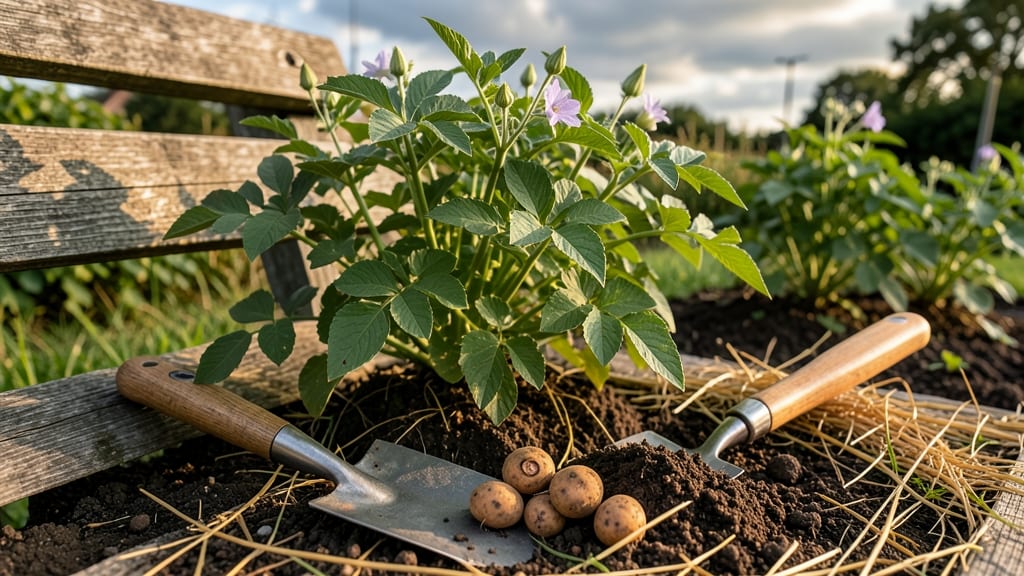
When do you plant potatoes in Iowa? Timing your 🥔 potato planting in the Hawkeye State isn’t just about following a calendar—it’s about beating the unpredictable spring frost that can turn your hard work into a soggy mess. With Iowa’s 5a-5b climate, planting too early risks frost damage, while waiting too long cuts your harvest window short.
Most Iowa gardeners swear by mid-April to early May as the sweet spot, but there’s more to it than dates. Soil temperature matters just as much—potatoes need 45°F+ to sprout reliably—and local microclimates can shift your ideal window by weeks.
In this guide, I’ll break down the exact timing for spring planting, plus whether fall planting ever makes sense in Iowa’s short growing season. You’ll also discover frost-proofing tricks to stretch your planting window safely.
Whether you’re a first-time gardener or a veteran looking to maximize yields, these Iowa-specific tips will help you grow bigger, healthier potatoes—without the frost-related heartache.
Iowa’s ideal spring potato planting window: frost-free dates & soil temps
Iowa’s Zone 4-5 climate means frost dates can swing wildly—last spring frosts often hit mid-April in northern Iowa but may linger until early May in southern regions. To avoid frost damage to tender potato sprouts, timing is everything.
Most Iowa gardeners aim to plant 4-6 weeks before the average last frost date, but soil temperature matters just as much.
Potatoes need soil temps of 45°F+ to sprout consistently. In northern Iowa, this typically means waiting until late April, while southern Iowa gardeners can start as early as mid-April.
Check the Iowa State University Extension’s frost charts for your specific county—these tools adjust for local microclimates that can shift frost dates by 1-2 weeks.
Here’s the golden window for most of Iowa: Mid-April to early May. For early varieties like Yukon Gold, push the envelope by planting 2 weeks earlier with frost protection. Late varieties like Russet Burbank can wait until late May for a fall harvest.
| Region | Last Frost Date | Ideal Planting Window | Soil Temp Threshold |
|---|---|---|---|
| Northern Iowa (Zone 4) | Mid-April | Late April–early May | 45°F+ |
| Central Iowa (Zone 4-5) | Early April | Mid-April–late April | 45°F+ |
| Southern Iowa (Zone 5) | Early April | Mid-April–early May | 45°F+ |
Source: Iowa State University Extension 2024 Frost Data
For maximum yield, time your planting so tubers have 90-120 days to mature before the first fall frost (typically mid-October). Use short-season varieties like Red LaSoda (70 days) for early planting or Kennebec (110 days) for a late harvest.
Pro tip: Chit your seed potatoes 4-6 weeks before planting to jumpstart growth.
If you’re planting in containers, start 2 weeks earlier—they warm up faster. Black plastic mulch can raise soil temps by 5-10°F, letting you plant 1-2 weeks sooner without frost risk. Just remove it once sprouts emerge to prevent overheating.
Watch for false springs: A warm spell in March can trick you into early planting, only for a late frost to wipe out your crop. Use frost-sensitive plants like marigolds as early warning systems—if they die back, delay potato planting by 2-3 weeks.
For urban gardeners in cities like Des Moines or Cedar Rapids, heat islands can push last frost dates 3-5 days later than rural areas. Check local weather stations for precise data—don’t rely on general Iowa averages.
Once planted, mulch heavily with straw to insulate tubers from temperature swings. This keeps soil temps stable and reduces the risk of scab disease, a common issue in Iowa’s humid summers. Aim for 3-4 inches of mulch once plants reach 12 inches tall.
Remember: Soil prep is half the battle. Iowa’s clay-heavy soils benefit from amending with compost or sand to improve drainage. Test your soil’s pH (6.0-7.0 is ideal)—acidic soils can stunt potato growth.
If your soil pH is off, add lime (to raise pH) or sulfur (to lower pH) 4-6 weeks before planting.
Fall planting potatoes in Iowa: a risky strategy? Pros, cons & exact timing
Fall planting potatoes in Iowa’s Zone 5 might sound counterintuitive, but it’s a strategy some gardeners use for storage potatoes or to extend harvests. The key is timing—plant too early, and frost ruins your crop; too late, and tubers won’t mature.
Most Iowa growers skip fall planting, but exceptions exist for late-season varieties like Yukon Gold or Kennebec.
For fall planting, aim for late August to early September—about 8–10 weeks before your first frost (typically mid-October). This gives tubers time to mature before winter sets in. Use a frost-free day calculator (like the [ISU Extension tool](https://hortnews.extension.iastate.edu)) to pinpoint your exact window.
One major pro of fall planting is avoiding spring planting rush and pest pressure (like Colorado potato beetles). However, the cons outweigh the benefits for most Iowans: shorter daylight, cooler soil temps, and higher frost risk.
If you attempt it, focus on fast-maturing varieties (under 90 days) and use row covers for extra protection.
Fall Planting Potatoes in Iowa: Quick Guide
✅ Pros
- Avoids spring planting competition
- Lower pest pressure in fall
- Good for storage potatoes
❌ Cons
- Shorter growing season
- Higher frost risk
- Cooler soil slows growth
If you’re determined to try fall planting, soil prep is critical. Work in compost to warm the soil faster, and choose a south-facing bed for maximum sunlight. Plant seed potatoes (not sprouted) 4 inches deep and 12 inches apart, just like spring planting.
After planting, mulch heavily with straw to insulate tubers from temperature swings.
Monitor your crop closely—harvest before the first hard frost (usually by October 15th). Dig up a few tubers to check size; if they’re 2+ inches wide, it’s time to harvest.
Store in a cool, dark, humid place (50–60°F) for long-term keeping. For most Iowans, though, spring planting remains the safer bet—but fall can work if you’re strategic!
For extra peace of mind, pair fall planting with row covers or a mini greenhouse. This adds 2–3 weeks to your growing season, making the gamble slightly less risky. Just remember: Iowa’s winters are unpredictable, so always have a backup plan!