
Plants
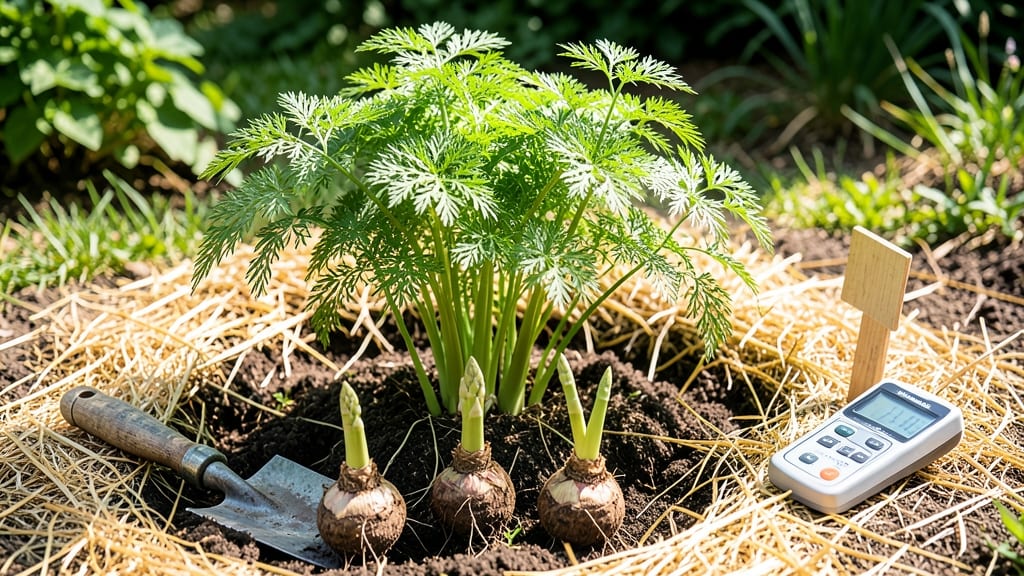
Timing your asparagus planting in Tennessee isn’t just about the calendar—it’s about beating the region’s unpredictable swings from frost to heat. Plant too early, and your 🌱 asparagus crowns might rot before roots take hold; too late, and winter’s chill could stunt growth before harvest season.
The ideal window is narrow but critical for a productive crop.
Most Tennessee gardeners swear by early spring planting in March or April, when soil temperatures hit 50-60°F—warm enough for roots to establish but cool enough to avoid stress.
But if you’re in the cooler 6a zones or the Appalachian foothills, you might need to adjust by a week or two. The key? Knowing your microclimate and last frost date.
In this guide, I’ll break down the exact months to plant asparagus in your specific Tennessee zone, whether crowns or seeds work best, and how to prep soil for maximum success.
You’ll also discover why some gardeners swear by fall planting—and when it’s a risky gamble. Let’s get your asparagus off to the strongest start possible.
Ready to avoid common mistakes and set up your patch for years of harvests? The right timing isn’t just about when to dig—it’s about setting up your asparagus to thrive through Tennessee’s 6a-7b growing seasons. Let’s dive in.
Best planting months for asparagus in Tennessee by hardiness Zone
Tennessee’s diverse USDA zones (6b-8a) mean your asparagus planting window shifts slightly depending on where you live. In Zone 6b (eastern Tennessee), aim for early spring (March 15-April 15) when soil reaches 50-60°F.
For Zones 7a-8a (Middle and West Tennessee), you can plant as early as late February to early April—just avoid late frosts that can damage tender crowns.
Fall planting is possible in Tennessee, but it’s riskier. September-October works if you’re in Zone 8a, but Zone 6b gardeners should skip fall planting entirely—crowns may not establish roots before first frost (mid-November).
Always check your last frost date (typically March 15 in most areas) to time planting perfectly.
Soil temperature is your best guide. Use a soil thermometer to confirm 50-60°F at 4-inch depth before planting. In Zone 7b, this usually aligns with late March to early April. If you plant too early, crowns rot; too late, and spears won’t emerge until next year. Patience pays off—asparagus takes 2-3 years to reach full production, so timing matters!
🌱
🌱 Tennessee Asparagus Planting Guide by Zone
| Zone | Best Planting Window | Soil Temp Goal | Frost Risk | Notes |
|---|---|---|---|---|
| 6b (East TN) | March 15–April 15 | 50–60°F | High (last frost: March 15) | Avoid fall planting; cool winters slow growth. |
| 7a (Middle TN) | Late Feb–April 1 | 50–60°F | Moderate (last frost: March 1) | Fall planting possible in late Sept if soil stays warm. |
| 7b (West TN) | Late Feb–March 30 | 50–60°F | Low (last frost: Feb 15) | Best zone for fall planting (Sept–Oct). |
| 8a (Far West TN) | Feb 1–March 15 | 50–60°F | Minimal (last frost: Jan 31) | Fall planting ideal (Sept–Oct) for early spears. |
If you miss the primary planting window, don’t panic! You can still plant asparagus crowns in May, but expect a delayed first harvest (Year 3 instead of Year 2). The key is ensuring crowns have 6-8 weeks of warm soil before winter.
In Zone 7b, a May planting might work if you use row covers to protect young plants from late-summer heat.
For seed-grown asparagus (slower but cheaper), start seeds indoors in February and transplant outdoors after last frost. Seeds need 2 years before harvest vs. 1 year for crowns. If you’re new to asparagus, stick with crowns—they’re faster and more reliable in Tennessee’s variable climate.
Pro tip: Mark your calendar for April 15 (safe for most of Tennessee) as your final spring planting deadline. After that, wait until next year—your asparagus will thank you with bigger, healthier spears in the long run. 🌿
💧
Fall vs. spring planting: which works better in Tennessee’s climate?
Deciding between fall and spring planting for asparagus in Tennessee comes down to balancing risk and reward. Most Tennessee gardeners prefer spring planting because it aligns with the natural growth cycle and avoids winter stress.
However, fall planting can work in warmer zones (7a-8a) if done carefully. Let’s weigh the pros and cons for your region.
Spring planting (March-April) gives your asparagus crowns the full growing season to establish roots before summer heat arrives. This method is foolproof for cooler zones (6a-6b), like the Appalachian foothills, where winters are harsher.
In contrast, fall planting (September-October) offers a head start on root growth, but Tennessee’s unpredictable early frosts can be risky—especially in Zone 6b.
Fall planting works best in Zone 7a+, where winters are milder. Planting in early fall allows roots to establish before dormancy, often resulting in earlier spears the following spring. However, if a hard freeze hits before roots take hold, your crowns may rot. Timing is critical—aim for 6-8 weeks before first frost (typically late September to early October).
Spring planting eliminates frost risk but requires patience. Crowns planted in March-April take 2-3 years to produce spears, while fall-planted crowns may yield sooner. For Tennessee’s variable climate, spring planting is the safer bet unless you’re confident in your microclimate’s frost patterns.
🌱 Spring Planting (March-April)
Pros
- ✅ Lower frost risk—avoids winter kill
- ✅ Full growing season for root establishment
- ✅ Works in all zones (6a-8a)
Cons
- ❌ Slower yield—2-3 years to harvest
- ❌ Competes with weeds during warm months
🍂 Fall Planting (September-October)
Pros
- ✅ Earlier harvests (1 year sooner)
- ✅ Cooler soil temps reduce stress
- ✅ Less weed competition in fall
Cons
- ❌ Frost risk in Zone 6b
- ❌ Limited to warmer zones (7a+)
- ❌ Requires precise timing
If you’re in Zone 7a or warmer, fall planting can pay off with faster spears the next season. But for Zone 6b or cooler, stick with spring planting to avoid winter losses. Pro tip: Test your soil’s drainage before fall planting—asparagus hates soggy roots in winter.
For maximum safety, I recommend spring planting in Tennessee’s 6a-6b zones and fall planting only in 7a+. Either way, prioritize well-draining soil and mulch heavily to protect crowns from temperature swings. Your asparagus will thank you with years of spears.