
Plants
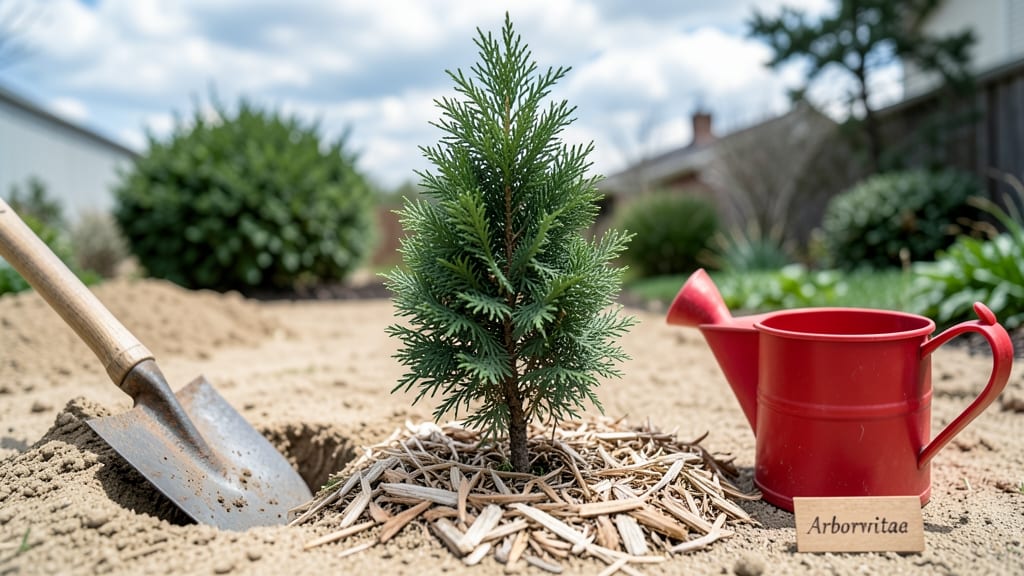
Timing your arborvitae planting in Ohio isn’t just about grabbing a shovel—it’s about outsmarting unpredictable frost and giving your 🌲 young shrubs the best shot at thriving roots before winter hits.
Whether you’re eyeing a spring or fall planting window, Ohio’s USDA Zone 6a climate demands precision: too early, and tender new growth risks frost damage; too late, and your arborvitae won’t establish strong roots before cold sets in.
The key to success lies in planting when soil temperatures consistently stay above 40°F, typically 1-2 weeks after Ohio’s last frost date (mid-April for most regions) or in early fall before the first frost (mid-October).
But here’s the catch: Ohio’s climate varies wildly from north to south, so your neighbor’s perfect timing might not work for your yard. We’ll break down the month-by-month frost-resistant timeline tailored to Ohio’s microclimates—plus how to prep your arborvitae for whatever Mother Nature throws its way.
You might assume spring is the only safe bet, but fall planting can actually give your arborvitae a head start on root growth before winter dormancy. The trick?
Choosing the right variety (like Emerald Green or American Plum) and adjusting your approach based on whether you’re planting bare-root or in containers. I’ll walk you through Ohio-specific tips to harden your shrubs, from soil amendments for clay-heavy ground to frost protection hacks that work.
Ready to stop guessing and start growing? Let’s dive into the exact planting windows, soil prep secrets, and variety-specific adjustments that’ll help your arborvitae take root like a pro—no matter where in Ohio you’re planting.
Ohio’s ideal arborvitae planting window: month-by-month frost-resistant timeline
Ohio’s USDA zones 5-7 mean your arborvitae planting window depends on whether you’re in northern Cleveland (zone 5b) or southern Cincinnati (zone 6b). The last average frost date shifts from mid-April in the north to late March in the south, while first frosts arrive mid-October statewide.
This creates a 165-day frost-free window—your best bet for root establishment.
For spring planting, aim for 2-3 weeks after your last frost date. In Ohio’s northern zones, this means early May; in the south, you can start as early as late April.
Soil temperature should reach 45°F+ at 4” depth—test with a soil thermometer to avoid planting in chilly, compacted soil that stunts roots.
Fall planting offers a second chance for Ohio gardeners. Plant 6-8 weeks before your first frost—typically early September in the north to late September in the south.
This gives young arborvitae roots time to acclimate before winter, reducing transplant shock. Just avoid planting after mid-October, when roots can’t harden before cold sets in.
🌱
Ohio’s microclimates can shift planting windows by 2-3 weeks. If your yard sits in a frost pocket (common in valleys or low-lying areas), wait 1-2 weeks longer after the official last frost date.
Conversely, urban heat islands (like Columbus or Cleveland) may warm up 10-14 days earlier—use a local weather station for real-time data.
For container-grown arborvitae, you have more flexibility. Plant anytime soil isn’t frozen (even late fall), but water deeply before the ground freezes to prevent root desiccation. Bare-root arborvitae, however, must go in the ground before bud break—typically March-April—to avoid transplant shock from spring growth.
Ohio’s clay-heavy soils can delay planting if soggy. Amend with compost or sand to improve drainage, and plant on a mild, overcast day to reduce transplant stress. If you miss the ideal window, fall planting is your next best option—just mulch heavily (3-4 inches) to insulate roots.
🌿
Pro tip: Use frost dates from your local Cooperative Extension office (e.g., Ohio State University Extension) for hyper-local advice. Their data accounts for 30-year averages, while Almanac frost dates can be 2 weeks off in Ohio’s variable climate.
For ‘Emerald Green’ arborvitae, a zone 4-7 variety, plant 1-2 weeks earlier than other cultivars—its faster root growth helps it outpace frost risks.
Always check soil temperature before planting—below 40°F stalls root development. In northern Ohio, this might mean waiting until May 10 even if frost risk drops earlier. Patience here means stronger, faster-growing trees by summer.
How to prepare arborvitae for Ohio’s unpredictable frost: pre-planting tips for root strength
Ohio’s clay-heavy soils and late spring frosts can stress young arborvitae, but with the right prep, you’ll give them a fighting chance. Start by testing your soil’s drainage and pH—arborvitae thrive in acidic, well-draining soil (pH 6.0-7.0).
If your soil is compacted, mix in compost or sand to improve aeration before planting.
For container-grown arborvitae, plant as soon as roots appear at the pot’s base—this usually happens in early spring (March-April). Bare-root varieties, however, need soil temperatures above 40°F and should wait until 2 weeks after your last frost date (typically mid-April for most of Ohio).
🌱 Pro Tip: Soak container-grown plants for 15-20 minutes before planting to rehydrate roots. For bare-root trees, soak roots in water for 1-2 hours to prevent transplant shock.
Watering is critical in Ohio’s hot, dry summers. Newly planted arborvitae need deep watering 2-3 times per week for the first month, then taper to once weekly once established. Use a soaker hose to deliver water directly to the root zone without wetting foliage (which can cause disease).
To protect against late frosts, apply a 2-3 inch layer of mulch around the base (keep it 6 inches away from the trunk). For extra protection, drape frost cloth over young plants when nighttime temps drop below 28°F.
This is especially important in Ohio’s Zone 5-6 areas where frosts can linger into May.
Choose a sunny, sheltered spot—arborvitae need 6+ hours of sunlight but benefit from afternoon shade in southern Ohio’s hotter microclimates. Avoid low-lying areas where cold air pools during frosts. If planting in urban areas, select a location with wind protection to reduce stress.
Finally, fertilize lightly at planting with a balanced 10-10-10 fertilizer (2 lbs per 100 sq ft). Avoid heavy feeding in the first year—new roots need to establish before supporting rapid growth. Wait until early spring of the second year for a second application to encourage strong foliage development.