
Plants
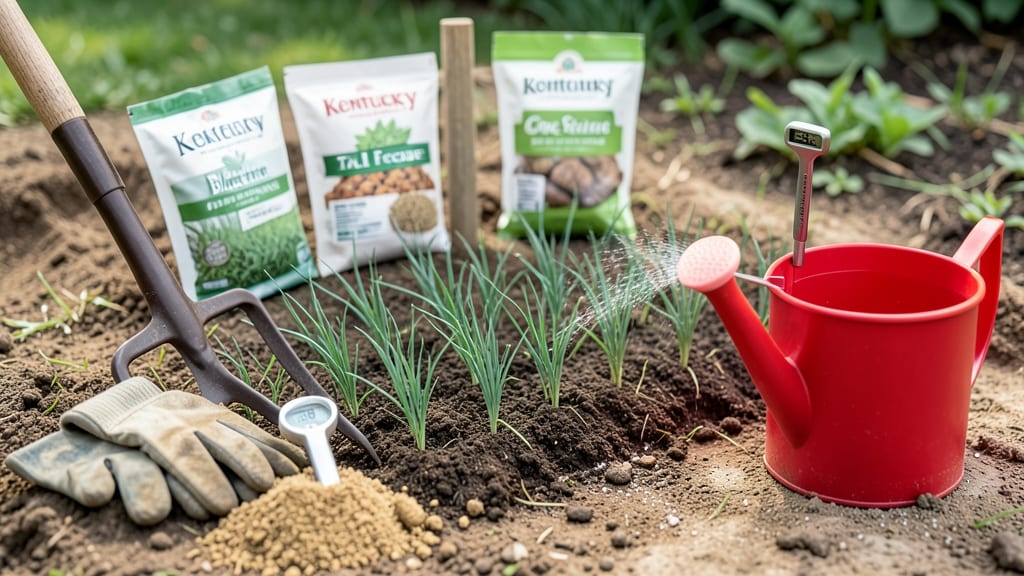
Planting grass seed in Utah at the wrong time can turn your dream of a lush lawn into a frustrating gamble against the state's unpredictable weather.
Whether you're in Northern Utah's cooler 5-6 zones or Southern Utah's milder 7-8 climate, timing is everything for strong root growth and drought resistance.
The secret to success lies in understanding Utah's unique seasonal rhythms—early spring or late fall are your best bets. March and April offer ideal soil temperatures (50–65°F) for germination, while late fall planting gives grass a head start before winter.
But don't wait too long—miss these windows, and you risk weak seedlings struggling against summer heat or winter freeze.
I've seen firsthand how proper timing can transform a patchy lawn into a vibrant carpet of green. In this guide, I'll break down the exact planting windows for your region, soil prep tips, and watering schedules that work with Utah's climate—not against it.
Let's get your grass growing strong from day one.
From Salt Lake City's urban heat islands to the high desert's dry winds, every corner of Utah demands a tailored approach. You'll learn how to avoid common mistakes like planting too early (risking frost) or skipping soil prep (critical in Utah's alkaline soils).
Ready to grow the lawn of your dreams? Let's dive in.
Utah’s ideal grass planting windows: spring vs fall deadlines explained
Utah’s cool-season grasses like Kentucky bluegrass and tall fescue thrive when planted during optimal temperature windows. The best time to plant grass seed in Utah is either early spring (March–April) or late summer/fall (August–September), depending on your region’s last frost dates and summer heat intensity.
Northern Utah’s cooler microclimates (USDA Zones 5–6) allow earlier planting, while Southern Utah’s hotter desert zones (7–8) demand fall timing to avoid drought stress.
Spring planting in Utah starts as early as mid-March in Southern Utah and late March to early April in Northern Utah. This aligns with soil temperatures warming to 50–65°F, the ideal range for germination.
Fall planting, however, offers a second chance for homeowners who missed spring—seed planted in late August to early September benefits from cooler temps and autumn rains, reducing watering demands and fungal risks.
The key is to plant 6–8 weeks before your area’s first frost, which typically hits mid-October in Northern Utah and early November in Southern Utah.
Here’s how Utah’s three major regions differ in planting windows:
| Region | Spring Window | Fall Window | Key Considerations |
|---|---|---|---|
| Northern Utah (e.g., Salt Lake City, Logan) | Late March–Early April | Mid-August–Early September | Cooler nights, higher elevation; watch for late frosts. |
| Central Utah (e.g., Provo, Park City) | Mid-March–Late April | Late August–Mid-September | Transition zone; balance spring heat and fall rains. |
| Southern Utah (e.g., St. George, Moab) | Mid-February–March | Late July–Early August | Extreme heat; fall planting avoids summer drought. |
Spring planting in Utah’s Wasatch Front (e.g., Salt Lake Valley) often faces unpredictable April showers and late frost risks. To mitigate this, use a starter fertilizer with fungicide to protect young seedlings.
For Southern Utah’s desert regions, where summer temperatures can exceed 100°F, fall planting is non-negotiable—seedlings struggle to establish in scorching heat and low humidity. Pro tip: Test your soil’s moisture retention before planting; Utah’s alkaline clay soils dry out quickly.
Another critical factor is rainfall timing. Utah’s monsoon season (July–August) brings sporadic downpours, which can either over-saturate newly planted seed or leave gaps in coverage. In Northern Utah, aim for 0.5–1 inch of rain per week during germination.
If natural rainfall is unreliable, invest in a drip irrigation system to deliver consistent moisture without runoff. For Southern Utah, where summer storms are brief but intense, use mulch or erosion control blankets to keep seed in place.
Utah State University Extension recommends cool-season grasses like tall fescue and fine fescue for most regions due to their drought tolerance and deep root systems. These varieties outperform Kentucky bluegrass in Utah’s high-elevation areas (above 6,000 feet) and low-water zones.
If you’re seeding in shady areas (e.g., under trees), opt for shade-tolerant tall fescue blends, which germinate more reliably in low-light conditions.
Timing your planting to avoid peak summer heat is crucial. In Northern Utah, June and July are too hot for successful germination, while Southern Utah’s April–May heat can scorch seedlings.
By planting in early spring or fall, you give grass roots 6–8 weeks of ideal growth before summer’s water stress or winter’s freeze-thaw cycles. This strategy ensures your lawn establishes before extreme weather arrives, setting it up for long-term resilience.
For high-altitude lawns (e.g., Park City, Ogden), consider early spring planting by March 15 to capitalize on long daylight hours and cooler nights. In contrast, low-desert areas (e.g., St. George, Cedar City) should plant by mid-August to avoid triple-digit temperatures.
Always check the USDA Plant Hardiness Zone Map for your specific location—Utah spans Zones 5–8, and microclimates can vary even within a city.
One common mistake Utah gardeners make is planting too late in spring (after May 15), when soil temperatures rise above
Critical factors that determine success: soil temperature, rainfall, and Utah’s unique climate zones
Utah’s diverse climate zones—from the Wasatch Front’s urban heat islands to the high desert’s dry winds—mean one planting strategy doesn’t fit all. The key factors for success are soil temperature, seasonal rainfall patterns, and microclimate variations.
For example, Salt Lake City’s Zone 6 has different frost dates than Moab’s Zone 7, so your ideal planting window may vary by just a few weeks.
First, check your soil temperature—the golden rule is 50–65°F for optimal germination. Too cold (<45°F), and seeds rot; too hot (>70°F), and they dry out. Use a soil thermometer (or the back of your hand: if it feels cool but not freezing, it’s ready).
In Northern Utah, this usually aligns with late March to early April, while Southern Utah can start slightly earlier.
Next, align your planting with Utah’s seasonal rainfall. Spring showers in March–May provide natural moisture, but summer’s dry heat (especially in June–August) demands supplemental watering. Fall planting in September–October benefits from cooler temps and Utah’s occasional autumn rains, reducing irrigation needs.
For instance, tall fescue thrives in Utah’s fall planting window because it establishes roots before winter dormancy.
| Factor | Northern Utah (Zones 5–6) | Central/Southern Utah (Zones 7–8) |
|---|---|---|
| Soil Temp for Planting | 50–65°F (late March–early April) | 50–65°F (early March–late April) |
| Rainfall Pattern | Spring showers (Mar–May), dry summers | Unpredictable (flash floods in spring, dry summers) |
| Microclimate Risks | Late frosts (Apr 15), urban heat islands | Desert winds (drying), high UV |
| Best Grass Varieties | Kentucky bluegrass, fine fescue | Tall fescue, buffalo grass |
Don’t overlook Utah’s microclimates. For example, Park City’s alpine zones (Zone 5) have shorter growing seasons than St. George’s desert climate (Zone 8). If you’re in a high-elevation area, aim for late April to early May planting to avoid late frosts.
Meanwhile, lowland desert regions can start as early as February for cool-season grasses like ryegrass.
Finally, leverage Utah’s rainfall forecasts. Check the National Weather Service or USU Extension for predicted precipitation. If your area is forecasted for dry spells during germination (7–21 days), plan for drip irrigation or a light mulch layer to retain moisture.
In my own yard in Salt Lake City, I’ve found that planting in early September aligns with Utah’s first autumn rains, cutting my watering needs by 40%.
Pro tip: Use a weather station app to track humidity levels—low humidity (common in Utah’s desert areas) increases evaporation. Adjust your watering schedule accordingly to keep the soil consistently moist but not soggy.
With these factors in mind, you’ll give your grass seed the best shot at thriving in Utah’s challenging climate.