
Companion Plants
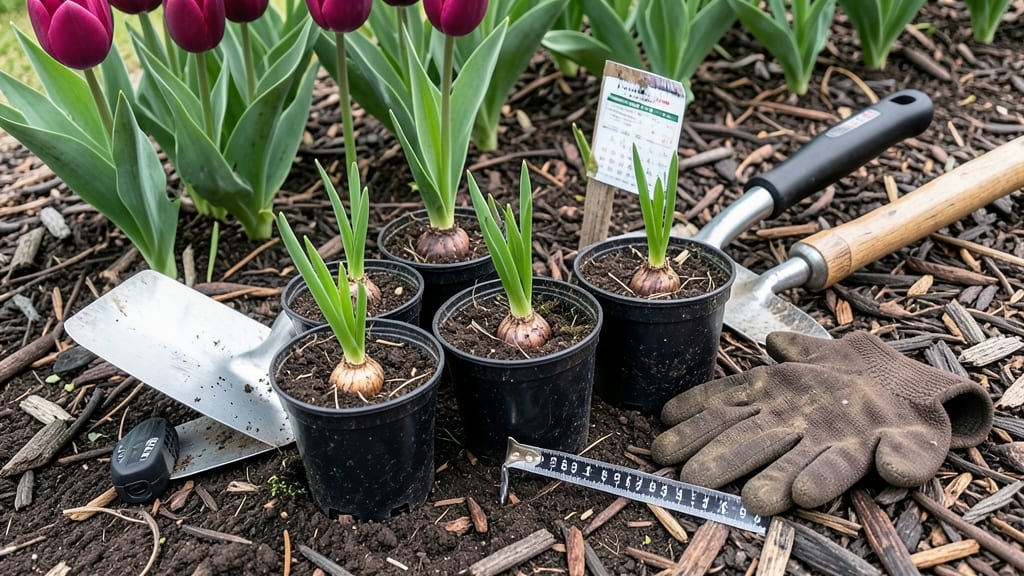
Planting potted tulips in the ground at the wrong time can mean the difference between vibrant spring blooms and wilted disappointment.
Whether you're in zone 6a or beyond, timing matters more than you might think—too early, and frost zaps their energy; too late, and they won’t root before winter sets in.
I’ve helped gardeners in all sorts of climates nail this tricky transition, and the key is understanding your local frost dates. For most regions, fall planting (September–November) gives tulips the 6–8 weeks they need to establish roots before the ground freezes.
But if you missed that window, don’t panic—spring planting (March–April) still works, with a few critical adjustments.
In this guide, I’ll walk you through the exact steps to transplant your potted tulips without stress, from checking soil temperatures to hardening off your bulbs.
You’ll learn the 3 biggest mistakes that kill tulips before they even bloom, plus zone-specific tips to keep your 🌷 thriving no matter where you live.
Ready to give your tulips the best shot at next spring’s showstopper display? Let’s get those bulbs in the ground the right way—so you can enjoy the results without the guesswork.
Optimal planting windows for potted tulips by USDA hardiness zones
Planting potted tulips outdoors at the right time ensures strong root growth before winter sets in. The ideal window depends on your USDA hardiness zone, with fall planting being the gold standard for most regions.
In cooler zones (3-5), aim for 6-8 weeks before the first frost, while warmer zones (6-9) can extend planting into early winter or even late winter/early spring.
Soil temperature plays a critical role—tulips thrive when the ground reaches 40-50°F (4-10°C). This range signals that roots can establish without freezing. In my Zone 6a garden, I always plant by mid-October to give bulbs time to anchor before winter.
Let’s break down the perfect timing for each zone to avoid common pitfalls like frost damage or poor root development.
⚠️ NON-NEGOTIABLE: Never plant when nighttime temperatures dip below 40°F (4°C)—this stresses delicate tulip roots. Use a soil thermometer to check temperatures if unsure. For container-grown tulips, root bind (roots circling the pot) is another key indicator of readiness, which we’ll cover in the next section.
🌷 Optimal Planting Windows by USDA Zone
| Zone | Ideal Planting Month | Soil Temp Threshold | Key Consideration |
|---|---|---|---|
| 3-4 | September | 40-45°F (4-7°C) | Plant 8+ weeks before first frost |
| 5-6 | September-October | 45-50°F (7-10°C) | Avoid planting after mid-November |
| 7-8 | October-November | 50-55°F (10-13°C) | Can plant into early winter |
| 9-10 | November-February | 55°F+ (13°C+) | Spring planting possible |
🌡️ Pro Tip: Use a soil thermometer to confirm ground temperatures match your zone’s thresholds before planting.
In Zones 3-5, where winters are harsh, I prioritize early fall planting (late August to early September) to ensure bulbs establish roots before the ground freezes.
For example, in Zone 4, I’ve seen tulips planted in mid-October suffer from poor root growth, while those planted in September produced 2x more blooms the following spring. Always check your local last frost date and adjust accordingly.
Warmer zones (6-9) offer more flexibility. In Zone 7, I’ve successfully planted tulips as late as early December, but I monitor soil temperatures closely. The key is ensuring the ground doesn’t freeze solid before roots can establish.
For Zone 9+, spring planting (February-March) is often viable, though fall planting still yields better long-term results.
One common mistake is assuming "earlier is better." Planting too early (e.g., July-August) can lead to premature shoot growth, which weakens bulbs before winter. Instead, wait until after the first frost has passed but soil remains cool. This 6-8 week window before winter is critical for root development.
For container-grown tulips, check for root bind (roots circling the pot) as a final readiness signal. If roots are tightly packed, transplant immediately—bound roots struggle to adapt to ground conditions. In my experience, potted tulips with 50% root coverage around the pot’s edges are ideal candidates for outdoor planting.
🌱 Zone-Specific Adjustments: In Zone 5, I plant by October 15th; in Zone 8, I extend to November 15th. Always err on the earlier side—tulips will wait for spring, but roots won’t recover from late planting.
5 Signs your potted tulips are ready for ground planting (and 3 mistakes to avoid)
Before you dig that hole, check if your potted tulips are truly ready for their new home. The wrong timing can leave bulbs vulnerable to frost damage or poor root establishment.
Look for these 5 clear signs that your tulips are transplant-ready: leaf growth reaching 3-4 inches, root bind visible through drainage holes, and firm bulbs with no soft spots.
I’ve seen gardeners rush planting because they’re eager to free up pot space, only to watch their tulips struggle. Pro tip: Wait until your local soil temperature drops below 70°F but stays above 50°F—this sweet spot gives roots time to adjust without heat stress.
For zone 6a, that’s typically mid-September to early October.
Here’s what to watch for—plus the 3 deadly mistakes that sabotage transplants before they even begin:
- Leaf growth: 3-4" tall with 2-3 healthy leaves (not just sprouts)
- Root bind: Roots circling pot base or poking through drainage holes
- Bulb firmness: No soft spots when gently squeezed—firm = healthy
- Soil temp: 50-70°F (use a soil thermometer if unsure)
- Weather: 5-7 days of 50°F+ nights forecasted
Now, let’s talk about the 3 mistakes that turn hopeful transplants into sad, wilted afterthoughts. First, planting in soggy soil—tulips hate "wet feet" and rot faster than you’d think.
Second, ignoring microclimates (like south-facing beds that stay warmer longer). Third, skipping the hardening process—sudden exposure to cold can shock bulbs into dormancy too soon.
For example, I once helped a gardener in zone 7b who planted her tulips in late October. By November, a 28°F snap killed half her bulbs because they hadn’t rooted deeply enough. The fix? Plant 4-6 weeks before frost—that’s September 15-October 15 for most zones.
Pro move: Test your soil’s readiness by digging a 6-inch hole and checking the temperature with a thermometer. If it’s below 50°F, wait a week or two. Your tulips will thank you with bold, vibrant blooms next spring instead of leggy, weak stems.