
Plants
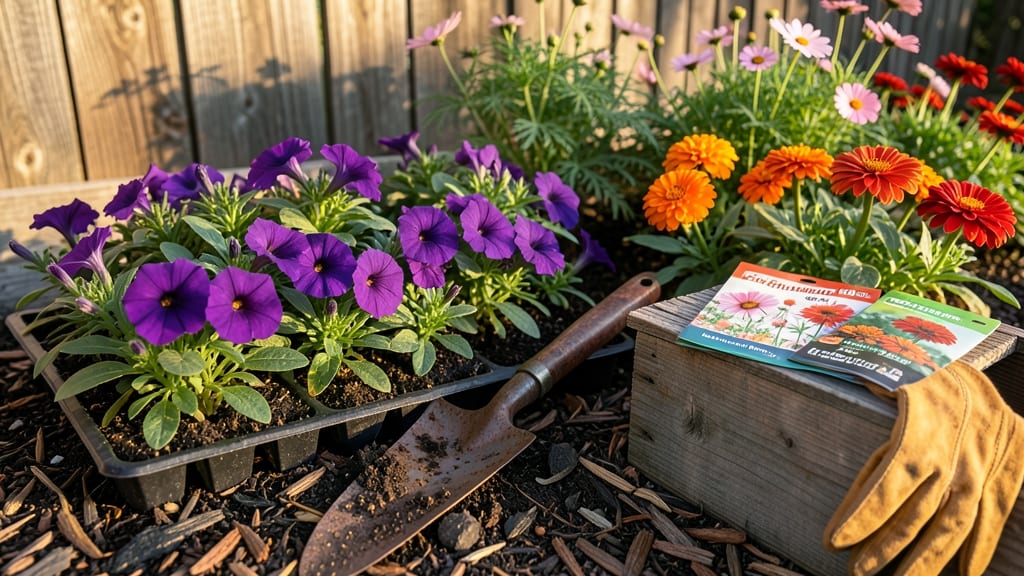
Timing your annuals planting in Colorado could mean the difference between a vibrant garden and wilted dreams by summer. With frost dates shifting dramatically from Denver’s Zone 6a to Grand Junction’s Zone 7a, knowing exactly when to plant is your secret weapon for blooming success—not failure.
Whether you’re dreaming of marigolds 🌸 lining your porch or crisp lettuce for summer salads, Colorado’s microclimates demand precision. Skip the guesswork: Plant too early, and a late frost will take your spring flowers out; too late, and your heat-sensitive impatiens will bolt before they bloom.
I’ll break down the exact frost-free windows for your region—plus pro tips to stretch your growing season. From soil prep to watering hacks, you’ll learn how to turn Colorado’s short season into a year-round harvest.
Ready to transform your garden into a thriving oasis? Let’s get those seeds in the ground at the perfect moment—because in Colorado, timing isn’t just important, it’s everything.
Colorado’s frost-free zones: when to plant annuals by region
Colorado’s microclimates create a gardening puzzle—what thrives in Denver’s Zone 6a may fail in Grand Junction’s Zone 7a. The key? Timing your annuals around frost-free dates, which vary by 1,000+ feet in elevation.
Lower elevations like the Front Range warm up faster, while mountain valleys stay cooler longer. Let’s break down your planting windows by region to avoid frost bites and maximize blooms.
First, know your last spring frost and first fall frost dates. These are your bookends for annual planting. In Colorado, the Front Range (Denver, Colorado Springs) typically sees its last frost around April 15–May 1, while the Western Slope (Grand Junction, Durango) warms up 2–3 weeks earlier.
The Eastern Plains (Fort Collins, Greeley) often mirror the Front Range, but the San Luis Valley can stay cold into mid-May due to its high elevation and cold air pooling.
For cool-season annuals like pansies, snapdragons, and lettuce, you can plant as early as March in lower elevations (Zone 6–7), but wait until mid-April in mountain zones (Zone 4–5). These hardy plants tolerate light frosts, but direct sowing before April 15 risks damage.
For warm-season annuals—think tomatoes, marigolds, and zinnias—hold off until 2 weeks after your last frost date. This ensures soil stays above 50°F and nighttime temps stay above 50°F consistently.
Here’s how to match your planting timeline to Colorado’s microclimates:
Pro tip: Use row covers or cold frames to plant cool-season annuals 2–3 weeks earlier in colder zones. For example, in Zone 5 (San Luis Valley), you can start spinach or kale under protection as early as February 15.
Just remove covers when temps rise above 70°F to avoid overheating.
Don’t forget fall planting! Colorado’s first fall frost typically hits between October 1–October 15, depending on elevation.
For warm-season annuals like marigolds or cosmos, sow seeds in late July–early August to enjoy blooms until frost. Cool-season annuals like pansies or calendula can handle light frosts, so plant them in August–early September for a winter garden.
Urban gardeners in Denver or Colorado Springs face an extra challenge: urban heat islands can push last frost dates 1–2 weeks later than rural areas. Check your local CoCoRaHS weather station for precise data, or use a plant heat map like the one from Colorado State University Extension.
If you’re unsure, opt for heat-tolerant annuals like zinnia or sunflower
Best annual flowers and vegetables for Colorado’s short growing season
Colorado’s short growing season demands smart choices when selecting annual flowers and vegetables. The right varieties thrive in our Zone 4-7 climates, from Denver’s Zone 6a to Grand Junction’s Zone 7a.
I’ve handpicked the toughest performers—plants that bloom reliably or produce bountiful harvests despite our early frosts and late snows.
For cool-season annuals, focus on pansies, snapdragons, and lettuce—they handle light frosts and even 32°F temperatures. Plant these 4-6 weeks before your last frost date (typically mid-April for lower elevations).
In contrast, heat-loving annuals like marigolds, zinnias, and basil need to wait until after May 15 when soil warms to 50°F+.
Here’s a quick guide to the top annuals for Colorado, organized by microclimate and planting window:
Pro tip: Succession planting is your secret weapon in Colorado. For lettuce or radishes, sow seeds every 2 weeks from April to August to ensure a continuous harvest. This works especially well in containers or raised beds, where you can control soil warmth and moisture better.
For heat-sensitive varieties like impatiens or coleus, wait until after June 1 in most zones. These plants bolt (flower prematurely) if exposed to 50°F nights or consistent 80°F+ days.
In higher elevations (Zone 4-5), opt for cold-hardy petunias or sweet alyssum—they tolerate brief chills and still deliver bright blooms.
Don’t overlook fall planting! Many annuals like kale, spinach, and calendula thrive when seeded in late summer. Aim for August 1-September 15 to give them 60-80 days of growth before first frost. Mulch with straw or leaves