
Plants
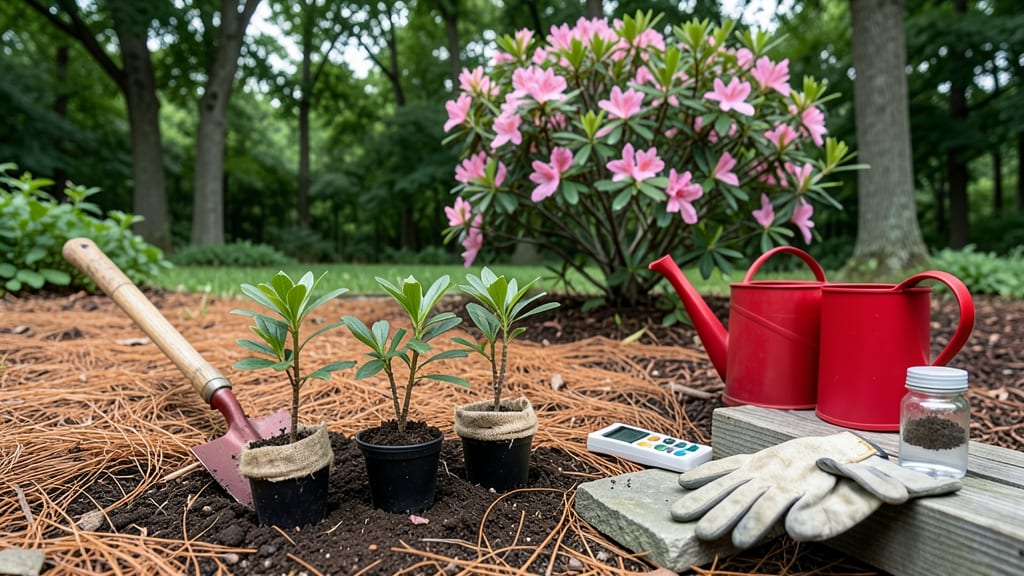
Timing your azalea planting in Alabama isn't just about picking a random weekend—it’s the key to vibrant blooms or a shrub that struggles to thrive. With Alabama’s 7b-8a climate, you’ve got a narrow window to plant these 🌸 azaleas before summer heat or winter frost throws off their growth.
Most gardeners swear by fall planting, but early spring can work too—if you get it right. The trick? Avoid planting when soil temps dip below 60°F, or your azaleas will shock and fail to establish roots. Let me show you exactly when to dig in for the best results.
Whether you’re a first-time gardener or a seasoned pro, knowing Alabama’s frost dates and chill-hour zones makes all the difference. I’ll break down the ideal months, soil prep tips, and how to protect your new plants from Alabama’s unpredictable weather.
Ready to transform your yard with stunning azaleas? Let’s get started—because planting at the wrong time could mean waiting years for those show-stopping blooms.
Alabama’s azalea planting timeline by chill-hour zone
Timing your azalea planting in Alabama depends heavily on your chill-hour zone—a measure of winter cold needed to trigger blooms. Most of the state falls within USDA zones 7b-8a, where Southern Indica azaleas (300-450 chill hours) thrive, while deciduous azaleas (600-900+ chill hours) need cooler microclimates.
Planting outside these windows risks poor root establishment or skipped flowering seasons.
For zone 7b (North Alabama), aim for early fall (September-October) or late winter (February-March) to align with natural dormancy cycles. In zone 8a (South Alabama), extend your window slightly into November or January, as milder winters delay chill accumulation. Both regions avoid summer planting due to heat stress.
Here’s how chill-hour requirements shape your planting schedule:
| Zone | Chill Hours | Best Planting Window | Azalea Type | Key Tip |
|---|---|---|---|---|
| 7b (North AL) | 600-900 | Sep 15-Oct 15 or Feb 15-Mar 15 | Deciduous | Plant after soil temps drop below 60°F |
| 8a (South AL) | 300-450 | Oct 1-Nov 15 or Jan 15-Feb 15 | Southern Indica | Avoid late fall—frost risk increases |
| Urban Microclimates | Varies (400-700) | Adjust 2-3 weeks earlier | Mixed | Check local frost data yearly |
In zone 7b, prioritize fall planting (September-October) to let roots establish before winter. Southern Indica azaleas in zone 8a can handle November plantings, but monitor weather forecasts—early frosts can damage tender roots.
For container-grown azaleas, extend your window by 2-3 weeks, as they adapt faster to soil changes.
Pro tip: Bare-root azaleas (sold without soil) must be planted immediately upon arrival, while container-grown plants offer flexibility. Soak bare roots for 1-2 hours before planting to reduce transplant shock.
In Alabama’s humid climate, amend planting holes with peat moss or pine bark fines to maintain acidic soil (pH 4.5-6.0).
Spring planting (February-March) works for zone 7b but risks summer heat stress in zone 8a. If choosing this window, mulch heavily with pine straw to retain moisture and protect roots.
Avoid planting after March 15, as Alabama’s last average frost date varies by 5-7 days annually—always check your local Alabama Cooperative Extension frost maps.
For urban gardeners, microclimates near buildings or paved areas can add 100+ chill hours. Test your zone by tracking winter lows with a minimum thermometer for 3 years.
If your yard hits 500+ chill hours, you can experiment with higher-chill deciduous azaleas like ‘Girard’s Pink’ or ‘Hershey’s Red’.
Remember: Azaleas planted in fall bloom the following spring, while spring plantings may delay flowers until the second year. Plan ahead—Alabama’s azalea bloom season peaks in April-May, and early planting ensures you’re not missing out on vibrant displays! 🌸
Critical frost-free window: how to avoid early or late planting mistakes
Alabama’s frost dates can shift 1-2 weeks yearly, but knowing your local last frost (around March 15) and first frost (about November 15) is non-negotiable for azalea success.
Planting too early—when soil temps dip below 60°F—causes transplant shock, while waiting too late risks frost damage before roots establish.
Urban areas like Birmingham (Zone 7b) may see frost 2 weeks earlier than rural Mobile (Zone 8a). Check the Alabama USDA map to adjust timing: Northern Alabama gardeners should plant 4-6 weeks earlier than Southern counterparts to account for colder microclimates.
Here’s the golden rule: Plant azaleas 4-6 weeks before your average first frost (by October 15 in most of Alabama) or after soil warms to 60°F in spring (post-March 15). This window ensures roots establish before winter dormancy or summer heat stress kicks in.
🌡️ Pro Tip: Use a soil thermometer to confirm temps—cool, damp soil slows root growth, while warm, dry soil risks dehydration. Aim for 60-70°F soil temps for ideal transplanting.
⚠️ Warning: Common Mistakes
- Planting in summer heat → Roots burn before they grow (❌ June-August).
- Ignoring microclimates → South-facing slopes warm faster; plant 2 weeks later than shaded areas.
- Skipping frost protection → Young azaleas need burlap wraps if late spring frosts hit (❌ April surprises).
🌱 Fix it: Monitor Alabama A&M Extension frost alerts and cover plants with frost cloth if temps dip below 32°F.
For container-grown azaleas, the frost-free window expands slightly—you can plant 1-2 weeks later since pots retain heat better. However, move containers to protected spots (like against a south-facing wall) before November 1 to shield from cold winds.
Remember: Azaleas hate wet feet during winter. If your area gets heavy rain or snow, ensure well-draining soil and elevated beds to prevent root rot. Mulch with 3-4 inches of pine straw to insulate roots and maintain acidic soil pH.
By mastering Alabama’s frost-free window, you’ll give your azaleas the best shot at thriving—no more sad, stunted shrubs or missed bloom seasons. Next, let’s tackle post-planting care to keep them flourishing year-round. 🌿