
Flowers
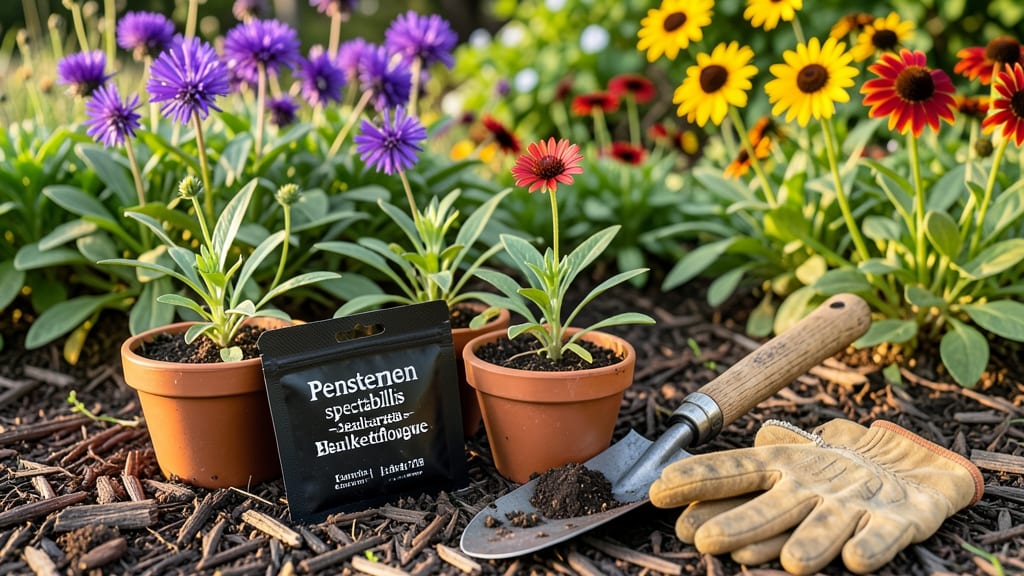
If you’ve ever stared at a seed packet wondering when can you plant flowers in Colorado only to be met with confusing frost dates and elevation warnings, you’re not alone.
Colorado’s dramatic shifts from alpine chills to desert heat make timing everything—get it wrong, and your 🌸 blooms could end up as frost-kissed casualties.
The good news? With the right know-how, you can turn those 120-165 frost-free days into a lush garden.
Whether you’re in Denver’s 5b zone or Colorado Springs’ 5a climate, we’ll break down the exact windows for annuals, perennials, and bulbs—plus how microclimates (like urban heat islands or high-desert dryness) tweak those dates.
I’ll show you how to start seeds indoors 6-8 weeks before transplanting, when to tuck in hardy perennials after last frost, and which flowers thrive in Colorado’s fall planting window (hint: think pansies and snapdragons!). No more guessing—just a foolproof schedule tailored to your elevation.
Ready to skip the trial-and-error? Let’s dive into the precise planting calendar that’ll have your garden bursting with color—without the frostbite.
Colorado’s last frost dates by elevation: when to plant flowers safely
Colorado’s elevation-driven climate means your last frost date could vary by weeks depending on whether you’re in Denver (5,280 ft) or Grand Junction (4,800 ft).
At higher elevations (7,000+ ft), frost lingers until mid-to-late June, while lower desert regions like Pueblo (4,693 ft) see frost-free conditions by early April. Understanding these microclimate differences ensures your flowers thrive without frost damage.
For most Colorado gardeners, the safe planting window for tender annuals (like marigolds or zinnias) opens 2-4 weeks after your average last frost date. However, cold-hardy perennials (such as coneflowers or lavender) can often handle light frosts and may be planted earlier.
Bulbs like tulips or daffodils should be planted in fall (September-October), well before first frost.
Key frost date benchmarks by elevation in Colorado:
| Elevation Range | Average Last Frost Date | Safe Planting Window (Annuals) | First Frost Date |
|---|---|---|---|
| 2,000–4,000 ft (Pueblo, Grand Junction) | March 15–April 1 | April 15–May 1 | October 15–November 1 |
| 4,000–6,000 ft (Denver, Colorado Springs) | April 15–May 1 | May 15–June 1 | October 1–October 15 |
| 6,000–8,000 ft (Fort Collins, Boulder) | May 1–May 15 | May 30–June 15 | September 15–October 1 |
| 8,000–10,000 ft (Eagle, Leadville) | June 1–June 15 | June 30–July 15 | September 1–September 15 |
*Dates vary yearly; check local Almanac or CoCoRaHS for updates.
If you’re planting cool-season crops like pansies or snapdragons, you can start them indoors 6-8 weeks before your last frost date. For warm-season flowers (e.g., petunias, geraniums), wait until soil temps reach 60°F+, which typically aligns with your safe planting window.
Use a soil thermometer to confirm—cool soil can stunt growth even after frost risk passes.
For container gardens, you have more flexibility. Containers warm up faster than in-ground soil, so you can plant tender annuals 1-2 weeks earlier than the table suggests. Just ensure your containers have drainage holes and use heat-retentive materials like black plastic pots to accelerate warming.
Pro tip: Hardened-off seedlings (those acclimated to outdoor temps) can handle light frosts down to 28°F. If a late frost is forecasted, cover young plants with frost cloth or a lightweight row cover. This extends your planting window by 1-2 weeks in marginal zones.
In high-desert areas (e.g., Western Slope), wind and cold nights can create micro-frost pockets even after the official last frost date. Monitor your garden closely, especially for low-growing flowers like impatiens, which are frost-sensitive.
A windbreak made of burlap or evergreen shrubs can protect plants from radiation frost.
For perennials and bulbs, timing matters too. Plant spring-blooming bulbs (e.g., tulips, daffodils) in fall (September-October) so they establish roots before winter. Fall-planted perennials (like sedum or ornamental grasses) benefit from cool-season growth and can handle early spring frosts better than tender annuals.
Remember: Colorado’s frost dates shift yearly due to La Niña/El Niño patterns and climate change. Bookmark the
How microclimates in Colorado change planting times (and what to do)
Colorado’s microclimates can shift planting windows by weeks—sometimes even months—depending on whether you’re in Denver’s urban heat island, the dry Western Slope, or a mountain valley. A garden just 5 miles apart might experience frost 2 weeks earlier due to elevation or wind exposure.
Understanding these variations helps you avoid frost-killed seedlings or wasted seed packets.
For example, Colorado Springs’ 5a zone often sees last frosts around May 1, while nearby Pikes Peak (higher elevation) can delay planting until June 1. Meanwhile, Grand Junction’s 6a climate on the Western Slope might be frost-free by April 15.
These differences aren’t just about dates—they’re about soil warmth, wind chill, and even solar radiation.
🌱 Visual Element: Callout Warning** 🌱
Cold air sinks into low-lying areas at night, creating frost pockets even in warm zones. If your garden sits in a valley or depression, expect 5–10°F colder temps than surrounding areas. Use a minimum-maximum thermometer to track local conditions.
🔹 Solution: Plant heat-loving annuals (like zinnias) later or use row covers for early starts.
Urban areas like Denver or Boulder experience urban heat islands, where pavement and buildings trap heat, potentially advancing last frost dates by 1–2 weeks. However, these same areas can also suffer from dry, windy conditions that stress young plants.
To adapt, I recommend mulching heavily (with straw or wood chips) to retain moisture and plant windbreaks (like shrubs or fences) to protect seedlings.
On the Western Slope, where arid conditions dominate, soil warms up faster in spring, but drought stress can stall growth. Here, drought-tolerant flowers (such as lupine or yarrow) thrive when planted 2–3 weeks earlier than in moisture-rich Front Range areas.
Always check soil moisture before watering—overwatering in dry climates can be as harmful as underwatering.
For high-elevation gardens (7,000+ ft), like those near Telluride or Leadville, the growing season is shorter and cooler. Start cold-hardy flowers (like snapdragons or sweet alyssum) indoors 8–10 weeks early and use cold frames to extend the season.
These areas also benefit from black plastic mulch, which warms soil by 5–10°F and speeds up germination.
Pro tip: If you’re unsure about your microclimate, track local frost dates for 2–3 years using a frost calendar app or by observing neighbors’ gardens. Adjust your planting schedule based on real data—not just USDA zone averages.
With these tweaks, you’ll turn Colorado’s quirks into longer bloom times and hardier plants.